
Preparing your swim pond for winter is essential for maintaining the health of its ecosystem, protecting your investment, and ensuring a thriving aquatic environment come spring. Regardless of your location, winterizing your swim pond involves taking steps to prevent freezing, manage water quality, and ensure the protection of fish and plants. This guide will provide practical methods tailored to various climate conditions, so you can enjoy your swim pond throughout the year.
With the right precautions, your pond can weather the hardships of winter, allowing fish and plants to survive and flourish as temperatures rise again.
How to Prepare Your Swim Pond for the Cold Months Ahead
Understanding the risks winter poses to your swim pond is the first step in preparation. Seasonal changes can significantly impact water quality and the health of your fish and plants. It’s vital to assess your pond’s specific needs before winter fully sets in.
Winterizing your pond offers several benefits, including preserving water quality, protecting fish from freezing conditions, and maintaining the structural integrity of pond components. Choosing suitable strategies depends on your local climate, as methods may vary widely between regions.
For instance, maintaining water quality is crucial even in winter. Research shows that proactive measures can help mitigate the effects of colder weather. According to Nature’s Pond Care, those who understand these risks can manage their swim ponds more effectively.
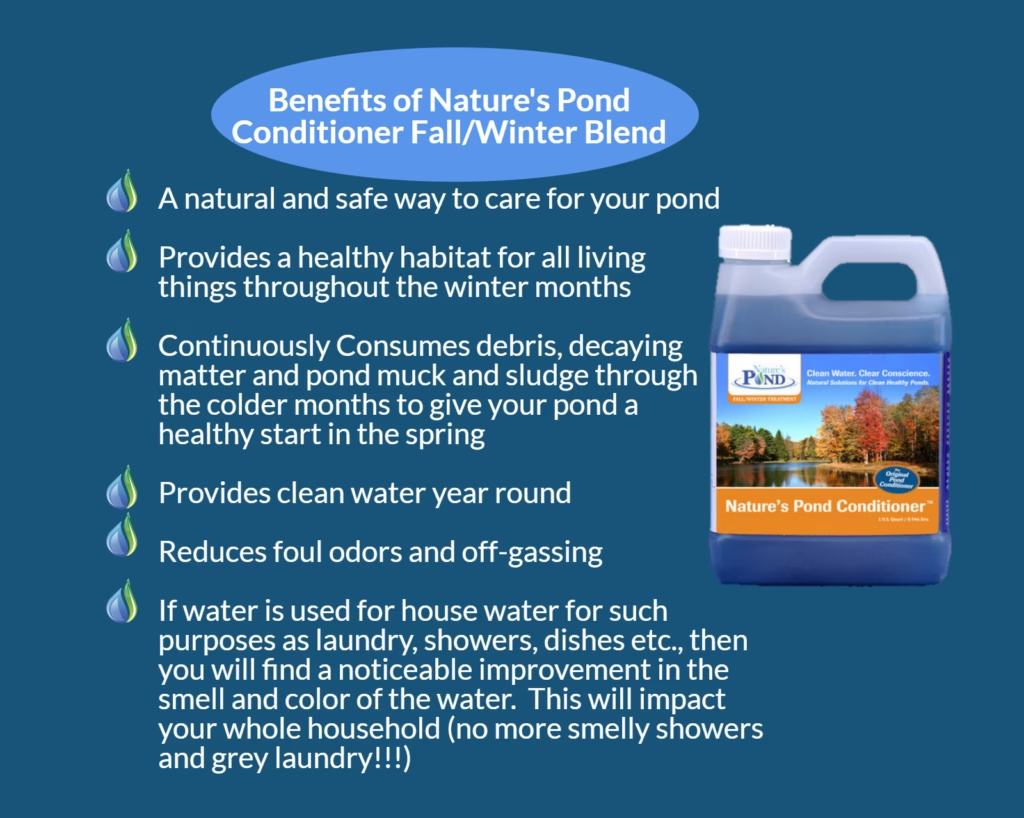
Infographic summarizing key steps to winterize your pond (Source: Nature’s Pond Care)
Winterizing Strategies for Ice-Prone Climates
In regions where freezing temperatures are expected, specific steps are necessary to protect your swim pond. Aeration and circulation are vital, as installing an aerator ensures that oxygen circulates throughout the pond, which is essential for fish survival.
Using a pond de-icer can prevent the pond from completely freezing by maintaining an opening in the ice. Position the de-icer strategically, away from the deepest part of the pond, where fish often seek refuge during colder months.
Water level management is also crucial. As water freezes and expands, you should periodically top off the pond to avoid ice formation that could lead to water loss. Regularly monitor for the development of ice dams that might obstruct water flow.
By using these winterizing techniques, you can help ensure your pond’s ecosystem remains healthy during the winter months.

Image of a diffused aeration and de-icing kit (Source: Midwest Ponds)
How to Maintain Water Quality in Cold Weather
Maintaining water quality in winter is just as important as during warmer months. Regular water testing remains essential; check parameters such as pH and ammonia levels frequently to identify any fluctuations early. It’s advisable to perform mid-winter water changes — about 10% of the pond’s total volume — to combat stagnation and enhance overall quality.
As water temperatures decrease, reduce the amount of food you provide for your fish to limit excess waste. Try to stop feeding entirely once temperatures drop below 50°F (10°C).
In milder winter conditions, keeping an aeration system running promotes water movement, which lessens the risk of stagnation and helps maintain oxygen levels. Additionally, incorporating beneficial bacteria into your pond can effectively enhance the breakdown of organic matter.
Research indicates that proper water quality management is vital for fish health and the clarity of your pond water.

A chart displaying standard values of drinking water quality parameters (Source: ResearchGate)
What Plants Thrive in a Winter Swim Pond?
Proper plant maintenance is essential for a healthy pond ecosystem during winter. Start by removing any dead plant material and debris before winter to prevent anaerobic conditions, which can harm your fish.
Hardy aquatic plants should be submerged below the ice line to protect them from freezing temperatures. For marginal plants, consider trimming them back to about 6 inches above their crowns. This will keep them healthy and manageable throughout the cold months.
Taking these steps not only protects the plants but also contributes to overall pond health by managing decomposition and oxygen levels.
Research shows that strategic plant management can significantly enhance the resilience of swim ponds through the winter.
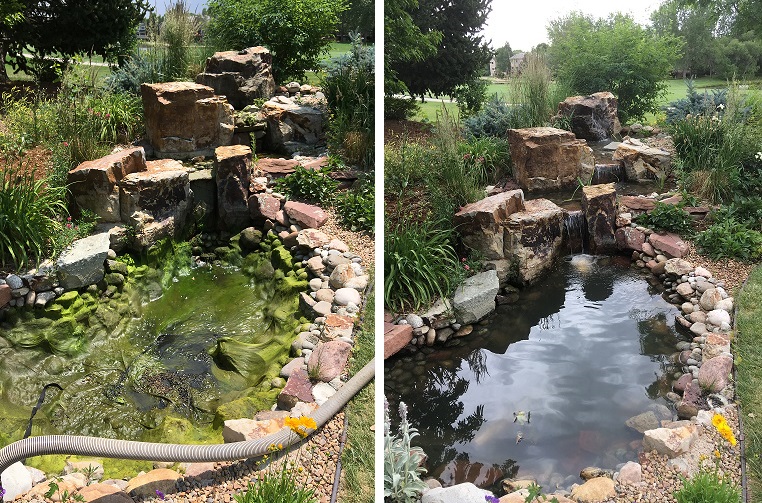
Image showing before and after results of cleaning and preparing a pond (Source: Colorado Pond Pros)
Protecting Pond Structures from Freezing Damage
One of the biggest challenges during winter is preventing damage to your pond’s structures. Start by storing pumps and equipment in a frost-free location to ensure they are clean and dry.
Additionally, it is crucial to disconnect and drain any plumbing systems to prevent freeze damage, as water can expand and crack pipes. Insulation should be applied to exposed equipment to maintain functionality and prevent weather-related issues.
By preparing your pond infrastructure correctly, you can ensure it survives winter conditions and is ready for use once spring arrives.
Regulated procedures can mitigate potential risks and maintain the long-term health of your pond’s ecosystem, as supported by expert suggestions from Pond Experts.
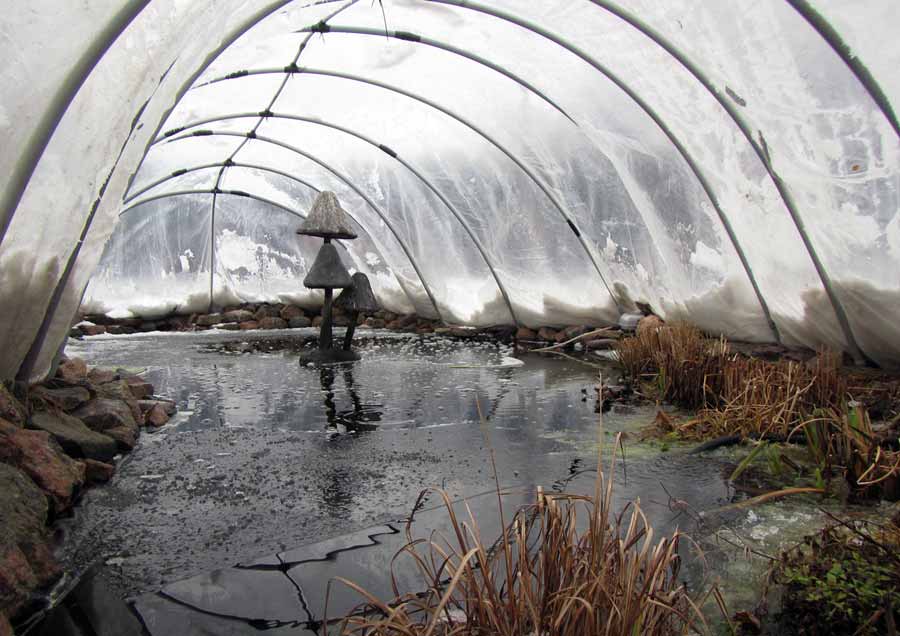
Image of a pond with winter protective covers in place (Source: Pond Experts)
The Fish Survival Guide for Cold Months
Caring for your fish during the colder months is crucial. Monitoring their health is essential; during winter, fish slow their metabolism and enter a semi-dormant state.
It’s best to avoid feeding them once the water temperature drops below 50°F (10°C) to reduce waste. Providing shelters or caves at the bottom of the pond, where the temperature remains warmer, gives fish a safe space to retreat during cold snaps.
Furthermore, running aerators can help maintain sufficient oxygen levels in the water. Moving water is less likely to freeze, which is vital for the survival of your fish.
By closely monitoring conditions for your fish, you can avoid significant losses during winter months, as confirmed by numerous studies on pond health.

Image depicting fish shelters designed for koi (Source: BigCommerce)
Case Studies: Successful Winter Management from Across the Country
Examining successful winter pond maintenance can reveal effective strategies tailored to various regional climates. For example, in colder states, maintaining an opening in the ice with aerators or de-icers is crucial.
In milder climates, a more hands-off approach can often work, allowing some fish to thrive even in cold conditions. Seasonal management techniques, such as netting to catch leaves before they sink, help maintain water quality efficiently.
Local pond management experts often recommend tailored plans based on specific locations, which can lead to successful outcomes in preserving your pond’s ecosystem throughout winter.
Research indicates that customized practices improve overall pond health and reduce maintenance issues during colder months.
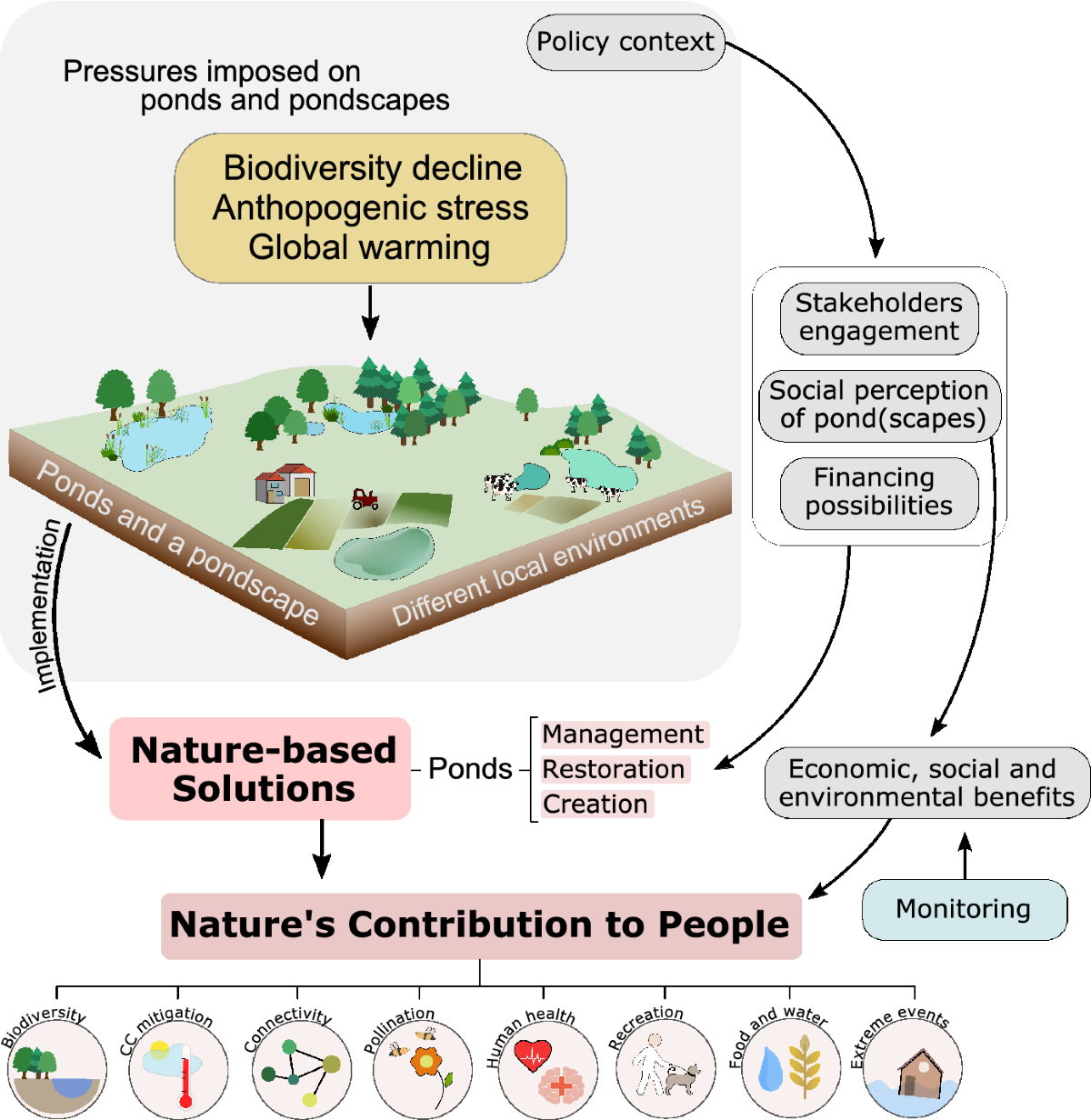
Map illustrating varying climate zones and their potential impacts (Source: Springer Nature)
Your Winter Pond Checklist: Everything You Need to Thrive
To ensure you don’t miss any crucial steps this winter, here’s a comprehensive checklist for swim pond winterization:
- Remove debris and dead plants.
- Adjust water levels and maintain aeration.
- Set up de-icers and shelters.
- Test water quality and adjust feeding as necessary.
- Store equipment in a frost-free environment.
- Monitor fish health consistently throughout winter.
This checklist serves as a practical guide to help keep your pond healthy and thriving during the winter months. Remember, a well-prepared swim pond leads to a vibrant aquatic environment come spring.
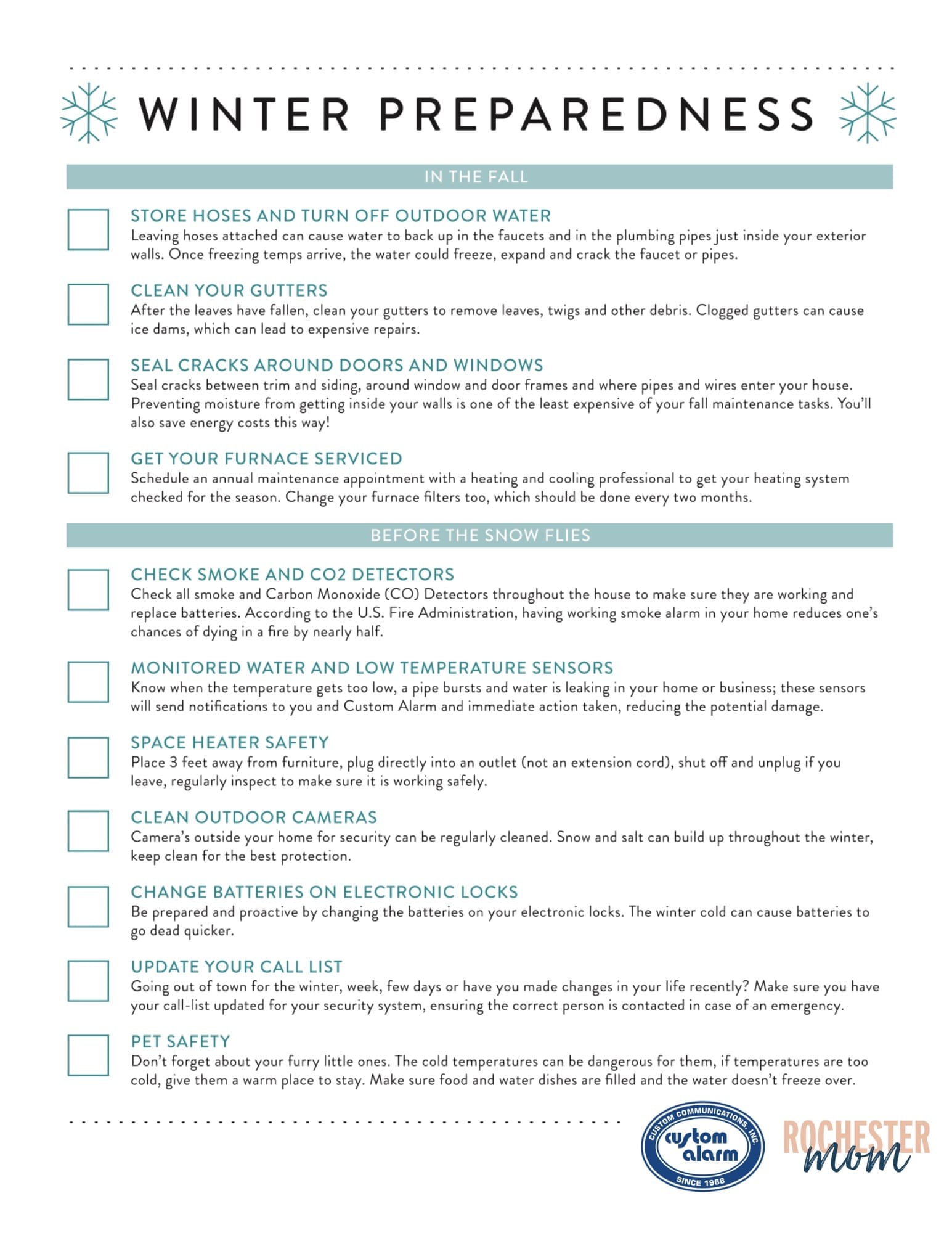
An image of a winter preparedness checklist for pond care (Source: Rochester Local)
By adhering to these guidelines and adjusting your practices according to your local climate, you’ll set your swim pond up for success in the seasons to come. Embrace these actionable strategies and enjoy a healthy pond throughout the year.