
Creating a peaceful outdoor space in an urban environment can be challenging, especially when trying to reduce the impact of noise pollution. Integrating elements like waterfalls and marginal plants into your garden can help transform your space into a serene escape from the chaos of city life. Aquatic soundscaping not only can mask disruptive noises, such as traffic but also invites soothing natural sounds that enhance your experience outdoors.
Water features, including waterfalls and ponds, provide a range of sounds—from gentle trickles to robust cascades—that can significantly diminish the drone of urban life. Additionally, pairing these features with marginal plants—those that thrive at the edges of water—further enhances both the beauty and ecological quality of your outdoor area. This guide will explore the critical components of waterfall placement, the best types of marginal plants to use, and sound engineering techniques that can enhance the auditory experience in your garden.
By understanding how to thoughtfully integrate water features and plants, you can create a visually appealing and calming environment that also nurtures local ecosystems.
Transform Your Urban Space into a Tranquil Oasis
Urban noise pollution often detracts from the enjoyment of your backyard. Everyday sounds—honking cars, sirens, and construction—can create an overwhelming atmosphere. However, incorporating water features like waterfalls can considerably lessen these disturbances.
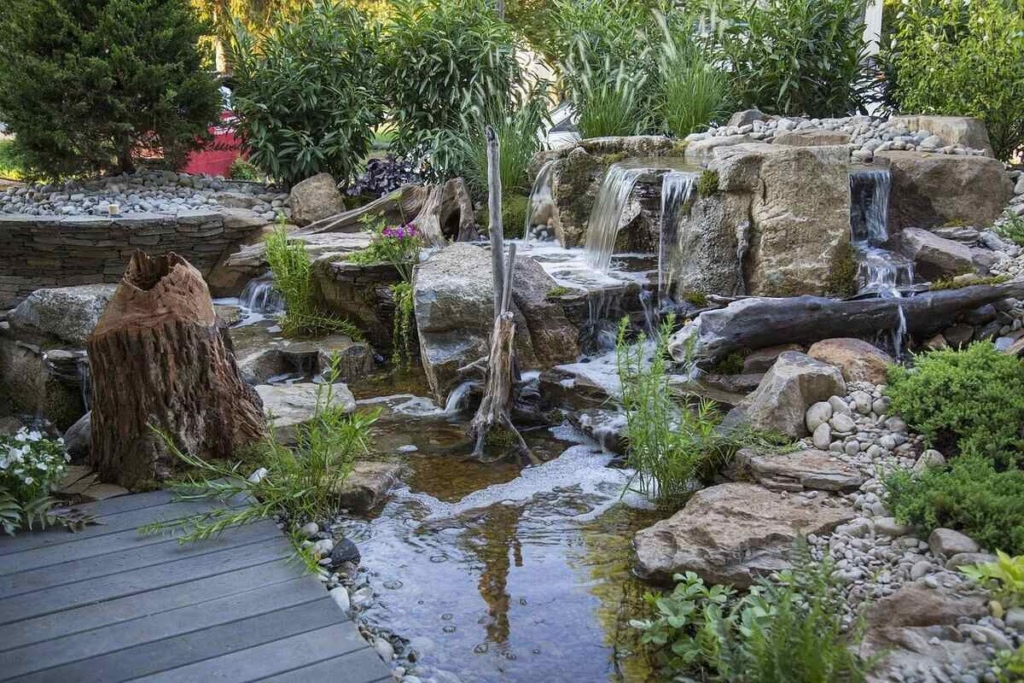
Research shows that waterfalls can produce sounds ranging from 70 to 80 decibels, which effectively masks unwanted noise. The height of the waterfall is crucial; those with a drop of 10 inches or more are particularly effective in drowning out louder ambient sounds. By choosing the right design and flow rate, you can create a soundscape that not only conceals city noises but also fills your garden with the calming sounds of flowing water.
An urban garden featuring a pondless waterfall that creates a soothing soundscape. (Source: Lawn Love)
Choosing the Right Water Feature for Your Garden
When selecting a water feature for your garden, consider various options and how each contributes to soundscaping. Common features include waterfalls, ponds, and streams, each with distinct acoustic properties.
If you prefer a quieter atmosphere, smaller waterfalls with heights between 2 to 4 inches are ideal, producing soft sounds reminiscent of a gentle brook. In contrast, larger waterfalls with at least a 10-inch drop generate louder cascades that can effectively mask the sounds of traffic. Furthermore, adhere to a guideline suggesting a flow rate of 100 to 200 gallons per hour for every inch of the waterfall’s width.
The choice of the right water feature also depends on your available space and personal taste. Thoughtfully integrating these features into your garden can enhance your overall outdoor experience.
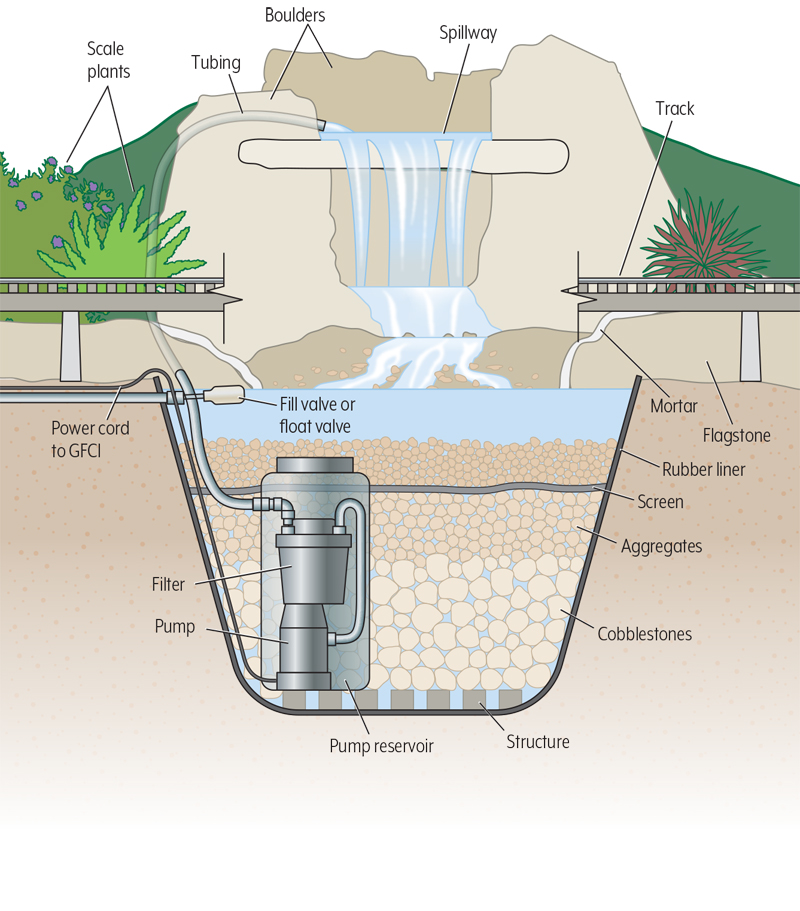
A diagram showcasing various water feature designs and their sound outputs. (Source: Trains.com)
Mastering Waterfall Placement for Ideal Soundscaping
Positioning your waterfall strategically is vital for maximizing its soundscaping potential. When determining the placement, consider factors such as height, flow rate, slope, and visibility from preferred viewing areas.
To achieve optimal sound, ensure a minimum drop of 2 inches for every 10 feet of stream; this promotes smooth water flow and enhances resulting sounds. Additionally, situate the waterfall where it can be seen from your deck or patio, as this increases the aesthetic appeal while enhancing your sensory experience of your garden.
It’s equally important to harmonize your waterfall with the surrounding landscaping. Using natural materials that blend seamlessly with existing features creates a more unified atmosphere, encouraging relaxation.
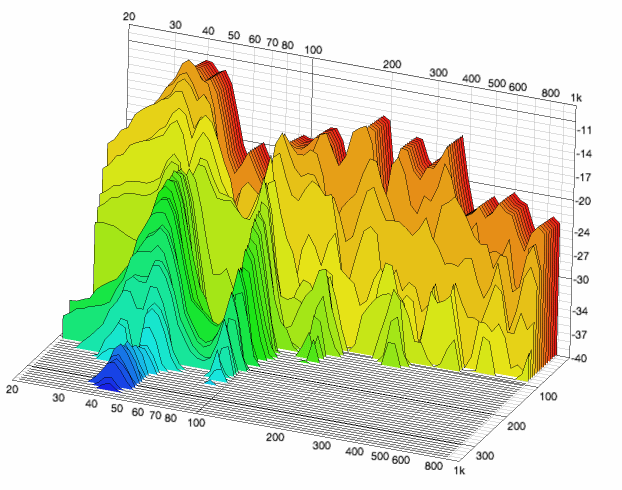
An illustration demonstrating optimal waterfall placements for desired acoustic effects. (Source: Real Traps)
The Impact of Marginal Plants on Your Soundscape
Marginal plants play an essential role in enhancing the auditory environment around your water features. Not only do they add visual interest to your garden, but they also provide significant ecological benefits.
Species such as Yellow Flag Iris and Pickerelweed thrive in shallow water and help absorb sound, further promoting a tranquil atmosphere. Additionally, these plants contribute to water quality by filtering out excess nutrients and pollutants, thereby supporting local biodiversity.
When selecting marginal plants, consider their specific growing requirements, including placement and care needs, to ensure they flourish alongside your water features.
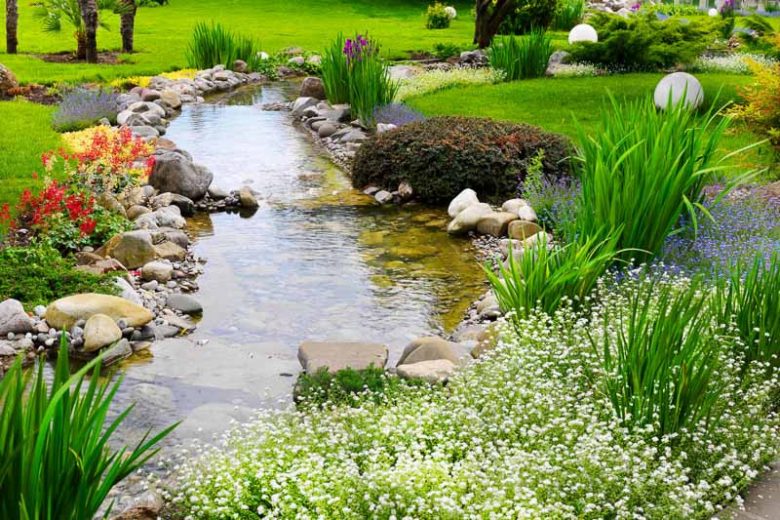
A collection of various marginal aquatic plants ideal for urban gardens. (Source: Gardenia)
Engineering Sound: Creating a Customized Acoustic Experience
To enhance the sound experience provided by your water features, you can apply sound engineering principles. The sounds made by falling water are influenced by several factors, including flow rate, surface texture, and basin design.
Smooth surfaces tend to yield higher-pitched sounds, while textured surfaces produce a broader array of tones. Additionally, creating pools or slight indentations where water can collect before cascading further mimics natural waterfalls, enriching sound variation.
Consider how different water sounds interact to create a more engaging auditory environment. Integrating gentle trickles alongside more robust cascades can produce a complex and intriguing soundscape.
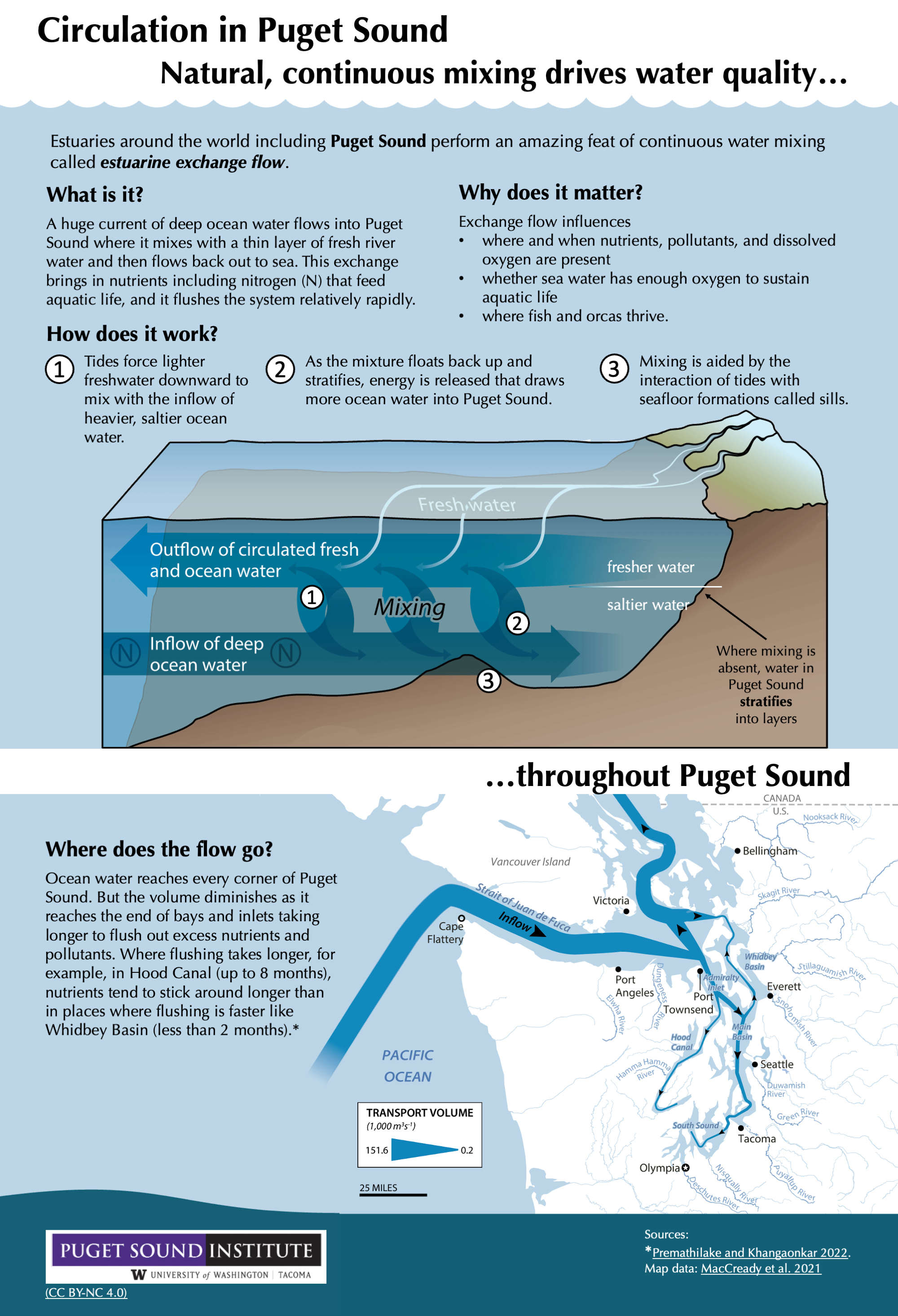
An infographic illustrating how sound changes based on water feature designs and placements. (Source: Puget Sound Partnership)
Nurturing an Eco-Friendly Space with Native Marginal Plants
Using native marginal plants is a key component of creating an eco-friendly garden. These plants, well adapted to local soil and water conditions, are generally easier to care for and more resilient against pests and diseases.
Incorporating specific native plants into your water features can enhance their ability to filter and improve water quality. For instance, the Soft Rush provides habitats for wildlife while helping to control algae growth. It’s essential to understand each plant’s care needs, such as sunlight and watering requirements, to keep your garden thriving.
Integrating native plants enriches your garden’s biodiversity and promotes sustainable practices that benefit the environment.
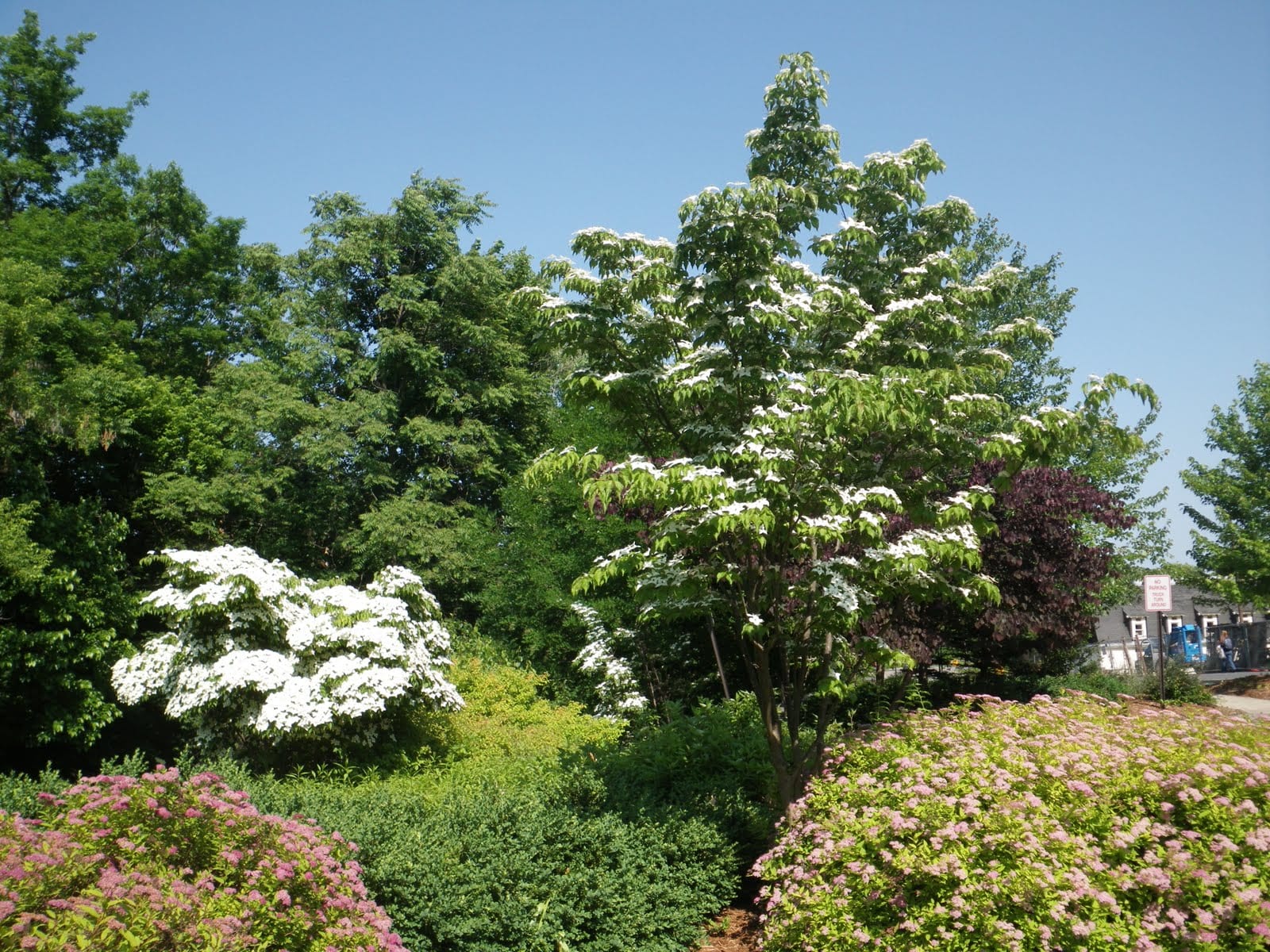
A typical urban planting landscape featuring native plants integrating with water elements. (Source: Eco Landscaping)
Embracing Trends: Modern Approaches to Water Soundscaping
As urban gardening continues to evolve, so do the techniques used to create functional and attractive outdoor spaces. Current trends in aquatic landscaping focus on the importance of smart technology, improved ecological practices, and interactive designs.
Smart water features allow for remote control and programmability, such as adjusting lighting or water flow based on specific times of day or events. This technology not only enhances user enjoyment but also supports efficient water management.
Naturalistic designs, which mimic real ecosystems, are also gaining popularity. By using irregular shapes and incorporating local flora, you can create a visually stimulating space that promotes local wildlife.

Contemporary urban landscaping showcasing modern water features. (Source: Fontana Water Features)
Your Step-by-Step Guide to Creating a Calming Outdoor Retreat
Embarking on your own aquatic soundscaping project is both achievable and rewarding. Start with a well-thought-out plan based on your specific outdoor space and budget. Assess how much room you can dedicate to water features while considering which plants to integrate.
Select your plants and water features carefully based on your garden’s unique conditions. Adopting a regular maintenance schedule is crucial for your garden’s long-term health and vibrancy.
Above all, remain flexible. Gardening is a journey requiring experimentation. By personalizing your outdoor space, you’ll create a peaceful retreat that invites you to relax and enjoy nature’s soothing sounds.

A checklist infographic summarizing steps for setting up an aquatic soundscaping project. (Source: HydroApps)
In conclusion, combining waterfalls and marginal plants in your urban garden can greatly enhance your outdoor experience by reducing noise and fostering tranquility. As you begin this journey, consider how each element works together—from the strategic placement of your water features to the selection of complementary plants. Remember, creating a personal oasis amidst urban chaos is entirely possible with the right planning, creativity, and respect for nature. With these tools and insights in hand, you can cultivate a peaceful escape in your own backyard.