Creating a swim pond that is both beautiful and functional requires a thorough understanding of water quality management. As someone interested in swim ponds—whether you’re an environmentalist, pond owner, aquatic technician, or hobbyist—you likely have questions about how to maintain a safe and thriving pond ecosystem. This guide delves into the latest innovations in swim pond water quality management, providing insights on tools, techniques, and best practices to enhance your swim pond environment.
What Makes Your Swim Pond Effective and Safe? Unpacking Ecosystem Essentials
A swim pond is more than just a pool; it is a carefully balanced ecosystem featuring various organisms, plants, and filtration systems working in unison. Understanding these elements is crucial for maintaining a healthy pond environment.
Key Components of Swim Pond Ecosystems
-
Filtration Systems: A reliable filtration system is essential for any swim pond. Modern biological filtration systems, such as bead filters, can filter particles down to 10 microns. These systems provide both mechanical and biological filtration, which greatly helps in maintaining clear water and reducing reliance on chemicals.
-
Aquatic Plants: These plants play a pivotal role in maintaining water quality by producing oxygen and acting as natural filters. Moreover, they enhance the pond’s aesthetic appeal and serve as habitats for various aquatic creatures.
-
Microorganisms: Beneficial bacteria contribute to the decomposition of organic material, which helps reduce sludge build-up and keep the water clean. These microorganisms are essential for a balanced ecosystem.
-
Chemical Balance: Regular monitoring of pH, nitrates, and phosphates is necessary to ensure the water remains balanced. Adhering to recommended levels helps prevent issues like algae blooms.
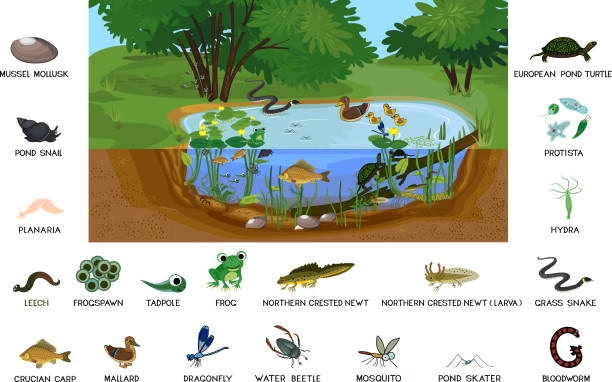
Recent advancements in filtration and ecosystem management have integrated these components more effectively than ever before. For instance, modern biological filtration systems are designed to work harmoniously with aquatic plants to create a sustainable, low-maintenance environment. As illustrated in the diagram from iStock, understanding these components enables you to create a vibrant swim pond ecosystem.
Pond ecosystem diagram illustrating various components and their interrelations (Source: iStock)
Maintaining this delicate balance is essential to sustain a thriving swim pond. Consistent monitoring of both chemical and biological factors will allow you to identify any issues before they escalate.
Monitoring Your Swim Pond Like a Pro: Essential Tools You Need
Effective monitoring is vital for keeping your swim pond environment safe and enjoyable. Utilizing the right tools will enable you to proactively manage water quality and address any potential problems.
Essential Monitoring Tools
-
Manual Testing Kits: These kits offer a straightforward way to measure important water quality parameters, including pH, ammonia, nitrites, and nitrates. They are easy to use and deliver immediate feedback.
-
Automated Monitoring Systems: Systems like the ChemCheck provide continuous monitoring, significantly reducing the need for frequent manual tests. These systems can send real-time alerts about any abnormal readings, allowing for quick responses.
-
Smart Technology Integration: Many modern monitoring systems feature smart technology capabilities, enabling you to check water quality remotely via your smartphone or tablet. This level of convenience is beneficial for busy pond owners who may not have time for regular inspections.
Research indicates that automated systems not only save time but also help maintain optimal water conditions with minimal effort. As noted by Pentair, the ChemCheck system is a valuable addition for anyone serious about pond management.
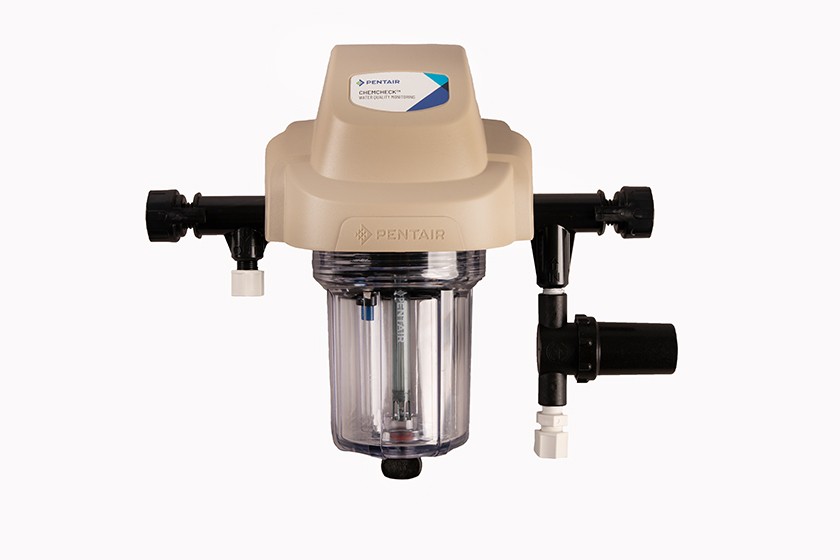
Automated water quality monitoring system designed for swim ponds (Source: Pentair)
By investing in these monitoring tools, you are equipping yourself to maintain a healthy swim pond, creating a safe and enjoyable environment for recreational activities.
Mixing Old with New: Balancing Tradition and Innovation in Pond Care
The management of swim ponds often requires a thoughtful combination of traditional practices and modern technology. Understanding how these elements complement each other is key to the success of any swim pond.
Blending Techniques
-
Traditional Practices: Many time-tested techniques, such as using aquatic plants for natural filtration, remain effective today. These traditional methods can be combined with modern innovations to enhance overall pond health.
-
Modern Innovations: New technologies, like low-salt hydrolysis systems, aim to replicate traditional pool environments while adopting natural filtration methods. This fusion is beneficial in achieving both aesthetic and ecological goals.
-
Successful Case Studies: Numerous installations provide valuable examples of successfully merging these techniques. For instance, one residential swim pond integrates traditional plant-based filtering with contemporary mechanical filtration systems, resulting in clear water and vibrant plant life.
The diagram from Big Commerce effectively illustrates the differences between traditional and modern pond care methods.
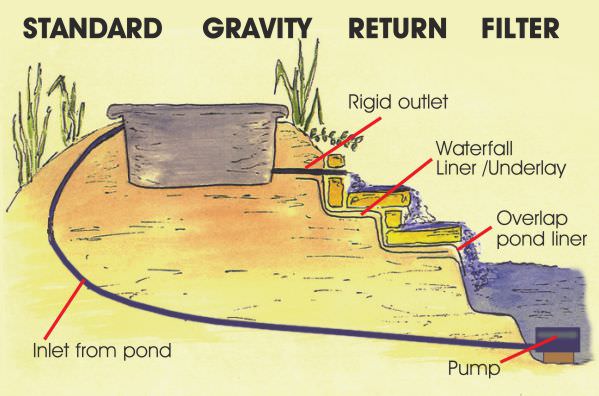
Diagram of traditional vs modern pond care techniques (Source: Big Commerce)
Both traditional and innovative approaches hold merit. Striking the right balance enhances your pond’s health and usability while respecting the principles of sustainability.
Automation: The Future of Safe Swim Ponds?
Recent technological advancements are making swim pond management both easier and safer. Understanding these innovations can dramatically improve your pond experience.
Advantages of Automation
-
Automated Filtration Systems: These systems facilitate ongoing management by ensuring that water filtration runs continuously. They can adjust their operation based on real-time water quality data, guaranteeing optimal conditions.
-
Remote Management: Many automated systems allow you to monitor and control your pond from a distance. This feature is particularly useful for busy people, as it greatly reduces the time spent managing physical site conditions.
-
Cost-Effectiveness: While the initial investment in automated systems may be higher, the potential savings on maintenance and chemical treatments often make them worthwhile in the long run.
Real-world installations highlight these advantages effectively. As depicted in the illustration from Aquascape, automated systems provide timely alerts and thorough management of water quality.
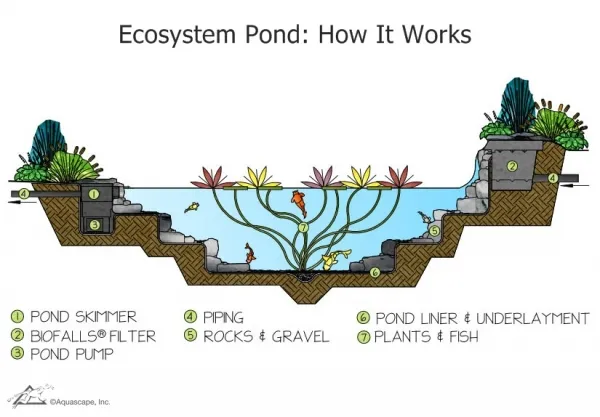
Automated filtration system for swim ponds, showcasing management features (Source: Aquascape)
By embracing these technologies, you can focus more on enjoying your swim pond rather than stressing over its maintenance.
Finding Help: Where to Turn for Water Quality Support and Knowledge
Even experienced pond owners sometimes need assistance. Knowing where to seek help can significantly impact your swim pond’s upkeep.
Resource Networks
-
Online Communities: Websites and forums focused on pond maintenance can offer valuable advice, troubleshooting tips, and a supportive network of fellow pond enthusiasts.
-
Local Professionals: Hiring an experienced local technician can facilitate routine maintenance and provide tailored advice for your specific ecosystem.
-
Aquatic Organizations: Local conservation groups or educational non-profits may offer workshops or training that address common challenges in swim pond management.
The logo for Pond Doctor exemplifies the type of professional support available to you as a pond owner.

Pond Doctor logo, a service provider for pond maintenance and support (Source: Pond Doctor)
Leveraging these resources can help you enhance your knowledge and stay informed, ensuring the longevity and vibrancy of your swim pond.
Conclusion
Managing water quality in swim ponds requires ongoing commitment and a blend of knowledge, technology, and traditional practices. By utilizing the latest advancements in filtration and monitoring systems, integrating time-tested techniques, and knowing where to find support, you can establish a thriving pond ecosystem.
Staying adaptable to challenges such as climate change will require proactive measures. However, with the right tools and mindset, you can maintain your swim pond as a safe, enjoyable space for recreation. Remember that continuous learning and adaptation are essential to ensuring your pond remains healthy and beautiful for years to come.