
Creating a swim pond enhances your backyard landscape and contributes to sustainability. An effective way to maintain water quality and volume in your swim pond is through rainwater harvesting. This method, which captures rainwater runoff from roofs and surfaces, reduces your reliance on municipal water supplies while promoting ecological balance. In this guide, you will learn about the advantages of using rainwater in swim ponds, the cost benefits, its role in ecological systems, essential maintenance practices, and the steps needed to set up your own rainwater harvesting system. By understanding these strategies, you can make informed decisions that support both your pond and the environment.
Why Choose Rainwater for Your Swim Pond? A Sustainable Approach
Rainwater harvesting is a sustainable approach to sourcing water for your swim pond. This technique collects rainwater that runs off roofs and other surfaces, channeling it into cisterns or directly into the pond. By employing this method, you significantly decrease your reliance on treated water, thereby reducing your environmental footprint.
Traditional pools often depend on municipal water sources, creating expenses and contributing to waste due to evaporation and runoff. In contrast, natural swimming ponds that utilize harvested rainwater foster sustainability. For instance, in California, rainwater harvesting has been legal since 2012 under the Rainwater Capture Act, allowing homeowners to capitalize on tax incentives through Proposition 72, which exempts certain systems from property tax assessments. This not only offsets installation costs but also offers long-term savings.
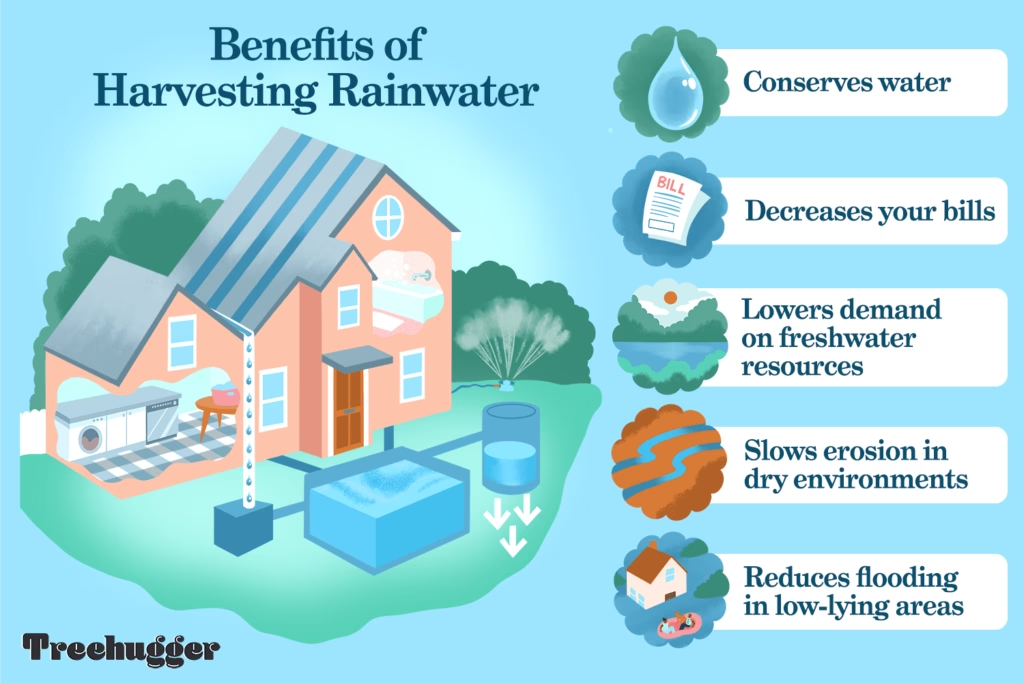
This infographic illustrates the benefits of rainwater harvesting systems, including sustainability and reduced water bills (Source: TreeHugger).
Unlocking Cost Benefits of Rainwater Harvesting
Investing in a rainwater harvesting system can provide substantial financial benefits over time. While the initial setup for a natural swimming pool may average around $70,000—slightly higher than a typical conventional pool—the long-term maintenance costs of traditional pools can add up. You might find these maintenance expenses range from $350 to $1,050 annually, depending on the pool’s type and size.
By using rainwater, you can significantly reduce your water bills. Research indicates that rainwater harvesting can save homeowners between 20% and 65% of their potable water usage for irrigation and other purposes. Furthermore, by relying on rainwater, you minimize the need for costly pool chemicals and treatments, transforming your swim pond into a more budget-friendly option. As water prices climb, the savings become more appreciable, making these systems a smart investment.

This table provides a cost comparison between traditional swimming pools and natural swimming ponds, highlighting potential savings (Source: Pond Trade Magazine).
How Rainwater Systems Restore Ecological Balance in Your Pond
Rainwater harvesting does more than supply water; it also fosters ecological balance. Utilizing rainwater supports the natural nutrient cycle, enabling a thriving ecosystem in your swim pond. Incorporating native water plants, such as Juncus effusus (Soft Rush) and Water Lilies (Nymphaea spp.), helps maintain water quality.
These plants play crucial roles by providing oxygen, filtering pollutants, and suppressing algae growth. They absorb excess nutrients while enhancing the overall ecological health of the water body. Studies reveal that submerged plants, like hornwort, are vital for maintaining adequate oxygen levels, crucial for the survival of fish and other aquatic life. By fostering diverse plant habitats, your swim pond becomes a refuge for wildlife, positively impacting the local ecosystem.

This image lists some of the best aquatic plants that are ideal for natural swimming pools, emphasizing their ecological benefits (Source: Angi).
Maintenance Essentials for Rainwater-Integrated Swim Ponds
Proper maintenance is vital for ensuring that your rainwater harvesting system and swim pond function optimally. Regular upkeep involves skimming debris from the surface daily or weekly, depending on your surroundings.
It’s also essential to conduct seasonal checks; in the spring, removing accumulated sludge is critical, while monitoring water levels during the summer helps prevent overgrowth. In the fall, increase your skimming frequency to catch fallen leaves, and during winter, make sure to disconnect and store sensitive equipment. Additionally, perform water quality testing at least once a year or after repairs to ensure everything is functioning as it should. By following these practices, you help prevent algae growth and promote a clear, healthy swimming environment.
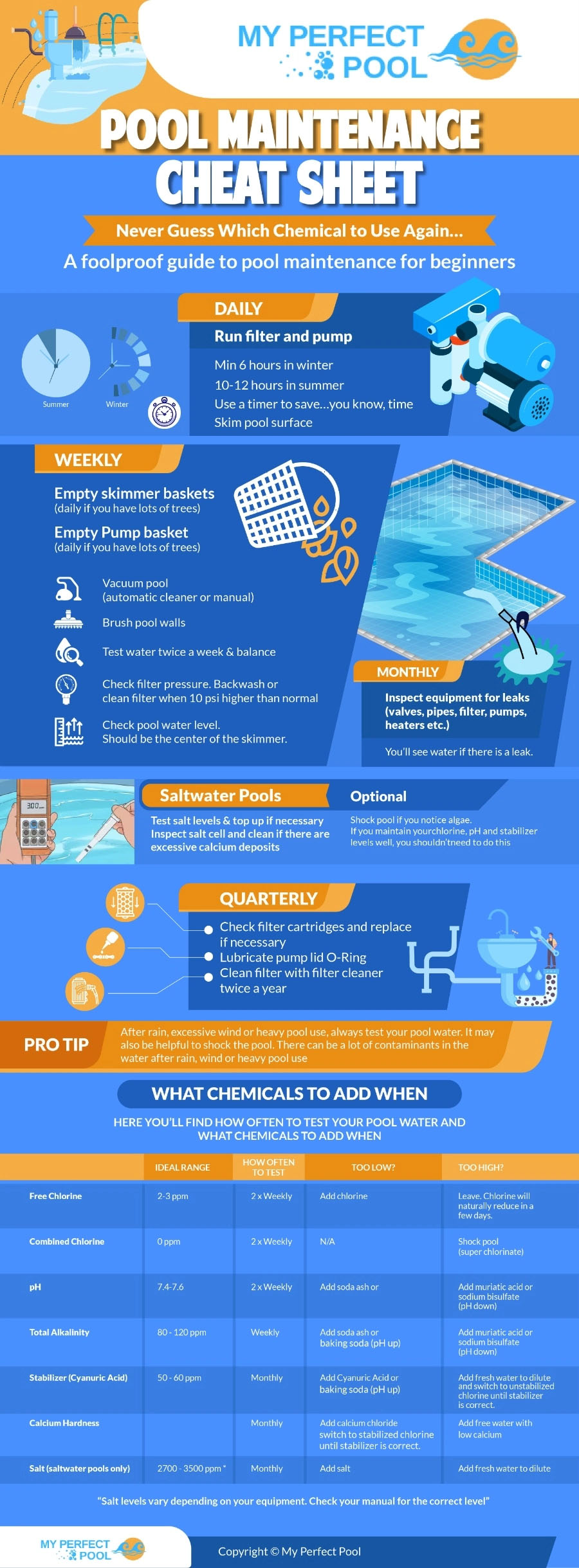
This flowchart outlines seasonal maintenance tasks for swimming ponds, providing homeowners with clear guidelines for upkeep (Source: Infographic Journal).
Taking the First Steps to Create a Rainwater Harvesting System
Starting your rainwater harvesting system can seem challenging, but breaking it down into manageable steps can simplify the process. Begin with evaluating your property to identify where you can collect rainwater, such as from rooftops. The necessary materials typically include gutters, cisterns, and downspouts.
Next, familiarize yourself with local regulations. Understanding the legal requirements, including any permits needed for systems greater than 360 gallons, is crucial for compliance. Consult local water authorities to clarify acceptable designs for your harvesting system.
After setup, ensure that a proper filtration system is in place; this will safeguard the rainwater intended for use in your swim pond. With a systematic approach, you can successfully implement a robust rainwater harvesting system tailored to your needs.

This diagram illustrates the basic components of a rainwater harvesting system, including collection, storage, and distribution elements (Source: Wikipedia).
Case Studies: Success Stories from Homeowners
Many homeowners have successfully transformed their properties by integrating rainwater harvesting with swim ponds, enjoying benefits for both their families and the ecology. For instance, a family in California converted their traditional pool into a rainwater-fed natural swimming pond, greatly enhancing their outdoor area.
They reported a significant decrease in their water bills while enjoying chemical-free swimming. The conversion also attracted diverse wildlife, further enriching their garden. Real-world success stories like these highlight how adopting similar strategies can lead to beautifully functional outdoor spaces while promoting sustainability.

This before-and-after photo shows a homeowner’s transformation of a traditional pool into a rainwater tank system, highlighting the aesthetic and functional benefits (Source: Water Capture).
Conclusion
Embracing rainwater harvesting for your swim pond is a practical and eco-friendly choice that offers numerous benefits. Not only can you save on water costs, but you also contribute to conservation efforts and enhance local biodiversity. By following the steps outlined and establishing a maintenance routine, you can create an enjoyable swimming environment that harmonizes with nature. Whether you are just starting or looking to improve an existing system, the strategies provided here position you to make informed, responsible choices that yield benefits for yourself and the community.