
Creating a sustainable pond is an exciting project that not only enhances your garden but also supports the environment. Using reclaimed materials can help reduce construction costs while minimizing waste. This guide is tailored for DIY enthusiasts, eco-conscious homeowners, and sustainable living advocates, providing you with insights on how to build a pond using reclaimed materials. You’ll discover suitable materials, cost-saving strategies, local regulations, and effective water quality management practices.
Embarking on the journey to make a beautiful backyard pond that reflects your commitment to sustainability allows you to enjoy the benefits of nature while providing a habitat for local wildlife. Let’s explore how you can craft your sustainable pond.
Building Your Dream Pond on a Budget
One of the main advantages of constructing a pond with reclaimed materials is the potential to save money. While the initial costs might be 20-30% higher than using traditional materials, you can make up for that over time with significantly reduced maintenance costs, which can be 50-60% lower over two decades.
Here’s how you can minimize your construction budget:
-
Explore Local Resources: Start by sourcing reclaimed materials at demolition sites, building renovations, or nearby recycling centers. You might be surprised by what you can find.
-
Get Creative: Use community groups, marketplace apps, or social media to locate free or low-cost materials from others who are clearing out old items.
-
Do-It-Yourself: Consider handling some tasks on your own, such as digging, shaping the land, or even constructing features by following online tutorials.
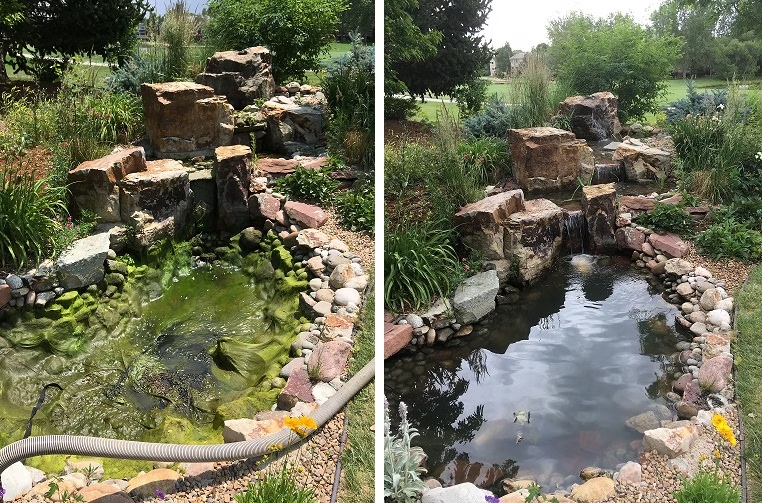
Before-and-after comparison showcasing the transformation of a pond using reclaimed materials. (Source: Colorado Pond Pros)
Creative Reclaimed Materials for Pond Design
When building your pond, the materials you choose will determine its durability and visual appeal. Some effective reclaimed materials include:
-
Recycled Concrete: This durable option is great for pond edging and the overall structure.
-
Reclaimed Wood: Wood types like cedar or redwood are naturally resistant to water damage and can enhance the aesthetic of your pond.
-
Old Tires: They can be creatively used to form the base or walls of smaller ponds.
-
Recycled Plastic: Ideal for pond liners, especially those made from recycled bottles.
Start by looking for these materials in your local community. You may find what you need at construction sites or specialized recycling centers.
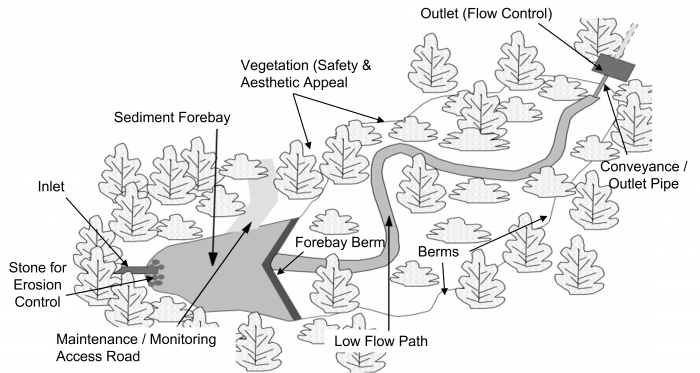
An illustrated map that highlights the uses of various reclaimed materials in pond design. (Source: Sustainable Technologies)
Understanding the Environmental Impact of Upcycled Materials
Using reclaimed materials has significant environmental benefits, including resource conservation and reduced landfill waste. Sustainable ponds require 70-80% less energy for filtration compared to traditional ponds, promoting a more eco-friendly lifestyle.
Upcycled materials provide essential habitats for native wildlife and significantly reduce pollution levels in your pond. Research indicates that sustainable ponds can eliminate up to 90% of pollutants through natural filtration methods.

Infographic demonstrating the ecological benefits of sustainable ponds. (Source: Western Liner)
Preparing Reclaimed Materials for Durability and Longevity
To ensure your pond materials are long-lasting and safe for aquatic life, proper preparation is essential. Here are specific steps based on the type of material:
-
Wood: Opt for naturally water-resistant types and treat them with non-toxic sealants. This treatment protects against rot and extends lifespan.
-
Concrete: Ensure it is clean and free from harmful contaminants to maintain water quality.
-
Old Tires: These should be lined with waterproof materials to avoid leaching chemicals into your pond, ensuring a safe habitat for fish and other wildlife.
Proper preparation not only enhances the durability of your materials but also fosters a healthy ecosystem in your pond.
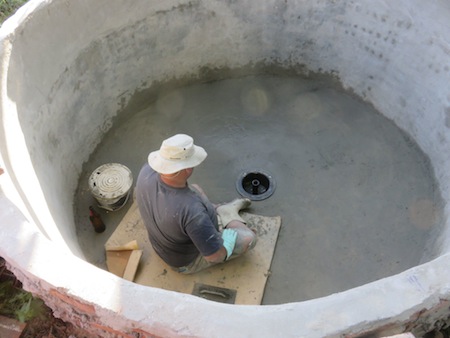
Visuals showing the preparation of reclaimed materials for pond construction. (Source: Green Idiom)
Permitting and Regulatory Compliance for Sustainable Ponds
Before you start your pond project, it’s vital to understand the regulations that may affect you. Different areas have varying rules regarding pond construction, including:
-
Size and Depth Restrictions: Many municipalities require permits for ponds that are deeper than 18 inches.
-
Setback Requirements: Ensure your pond maintains the required distance from property lines and nearby structures.
-
Homeowners Association (HOA) Rules: If you live in an HOA community, additional restrictions may apply.
Consulting with local authorities or professionals can help you navigate the regulations and avoid legal complications.
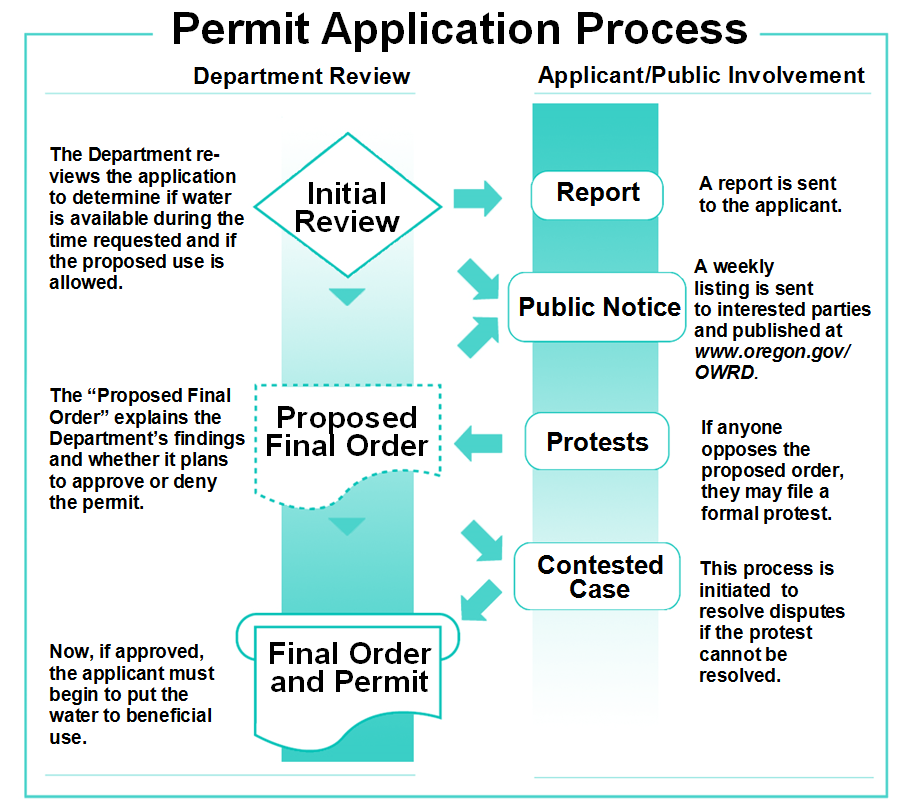
Flowchart illustrating the permit application process for pond construction. (Source: Oregon Government)
Best Practices for Maintaining Water Quality in Sustainable Ponds
Once your pond is up and running, maintaining water quality is critical for the health of the ecosystem. Here are some effective practices you can adopt:
-
Natural Filtration: Utilize native aquatic plants and beneficial bacteria to help filter and purify water without chemicals.
-
Regular Testing: Monitor key parameters like pH levels, ammonia, and dissolved oxygen to maintain a balanced environment.
The integration of these practices can help ensure a thriving pond ecosystem, which is beneficial for both wildlife and aesthetic enjoyment.

A healthy pond featuring various aquatic plants that contribute to water quality. (Source: Premier Pond)
Solving Common Challenges in Sustainable Pond Construction
While the process of building a sustainable pond can be highly rewarding, you may encounter several challenges along the way, such as water quality issues, leaks, or algae growth. Here are some suggested solutions:
-
Water Conservation: Look into implementing a rainwater harvesting system to refill your pond naturally.
-
Solar Power: Using solar-powered pumps can significantly reduce energy usage and costs.
Addressing these challenges proactively allows you to create an efficiently managed and thriving pond environment.
An infographic highlighting common challenges and solutions in sustainable pond construction. (Source: Solitude Lake Management)
Real-Life Examples and Inspirational DIY Projects
Looking at successful pond projects can inspire your DIY efforts. Many community ponds have utilized reclaimed materials effectively. Here are a few approaches to consider:
-
Innovative Designs: Explore projects that demonstrate creative solutions to common problems and feature upcycled materials prominently.
-
Community Impact: Consider how community ponds not only beautify your space, but also enhance biodiversity and reduce costs.
Learning from these examples can spark your creativity as you plan your own pond.
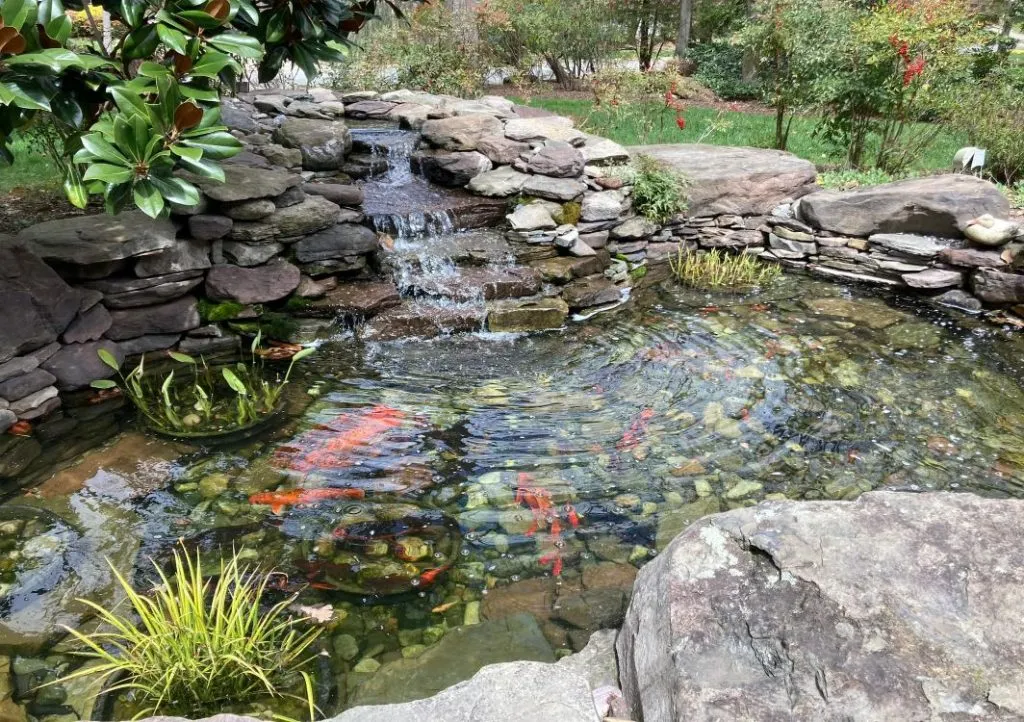
A beautifully constructed koi pond featuring a multi-tier waterfall, showcasing creative DIY inspiration. (Source: Premier Pond)
Conclusion
Building a sustainable pond with reclaimed materials is not just an engaging DIY project; it represents a commitment to environmental stewardship. By focusing on cost-effective approaches, understanding the best materials, and adhering to local regulations, you can create an inviting and functional space that attracts wildlife and enhances your garden.
Take this opportunity to make a positive impact while enjoying the tranquility of your very own pond. Gather your materials, dig in, and start crafting your dream pond, knowing that you are making mindful choices for the environment.