
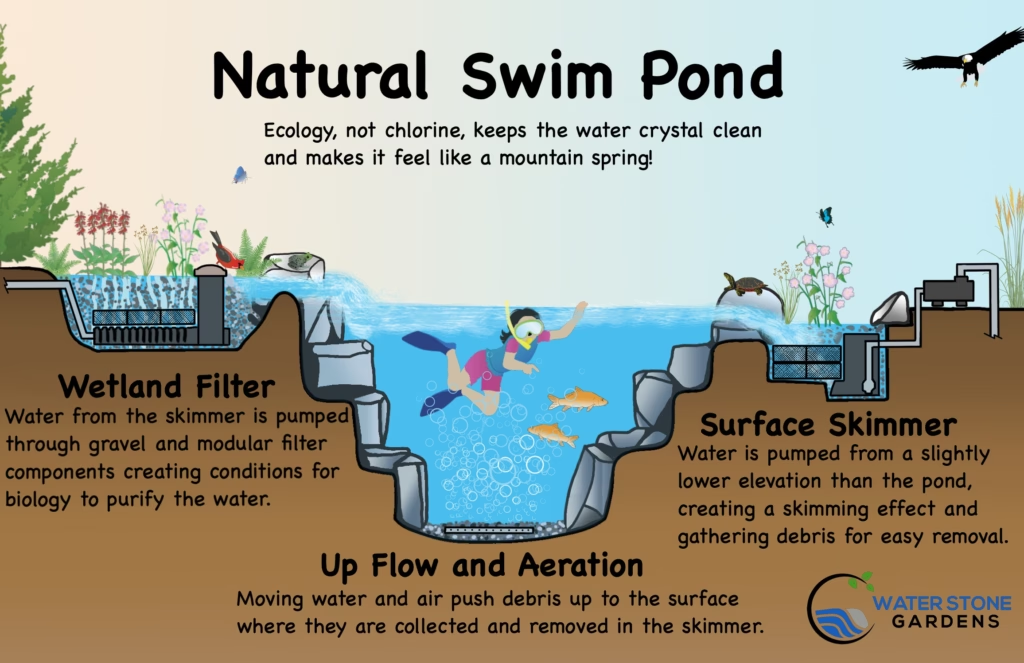
Creating an eco-friendly backyard is becoming increasingly popular among homeowners who seek sustainable alternatives to traditional swimming pools. One such option is a solar-powered swim pond. These natural swimming environments not only provide a refreshing place to swim but also promote local biodiversity and generally require less maintenance than conventional pools. In this guide, you will learn how to create an eco-friendly swim pond, harness solar power for efficient water circulation, and ensure your pond remains both an aesthetic and functional feature in your landscape.
Creating Your Eco-Friendly Oasis
To turn your backyard into a sustainable swim pond paradise, it is essential to prioritize environmentally friendly design principles.
Importance of Eco-Friendly Design for Swim Ponds
Natural swim ponds are designed to blend seamlessly with their surroundings while offering ecological benefits. Aim for a configuration that incorporates a mix of swimming areas and planted zones. Research suggests dedicating 50% to 100% of the pond’s surface area to aquatic plants enhances both water purification and aesthetics.
Benefits of Incorporating Natural Filtration Systems
Natural filtration systems utilize aquatic plants and beneficial bacteria to maintain water quality. This approach reduces the need for chemical treatments while promoting a healthier ecosystem. Opt for native plant species that thrive in your climate, such as water lilies and cattails, to create a habitat that supports local wildlife.
Choosing Native Plants for Water Purification and Biodiversity
Selecting native plants not only helps maintain water quality but also supports local ecosystems. A diverse range of aquatic plants increases the chances of ensuring a balanced ecosystem where various species can thrive.
Beautifully designed eco-friendly swim pond showcasing sustainable design elements (Source: Aquascapes)
The Power of the Sun: Solar Energy for Your Pond
Harnessing solar energy can significantly reduce your pond’s operational costs while benefiting the environment.
Overview of How Solar Energy Works for Pond Circulation
Solar panels convert sunlight into electricity, powering the pumps that circulate water in your swim pond. A well-placed solar-powered pump system can substantially decrease your energy bills, potentially saving you between $300 and $500 annually.
Cost Savings Associated with Solar-Powered Systems
Although the initial investment in solar equipment may seem high, it pays off over time through reduced electricity costs and maintenance. This green technology typically lasts longer and requires less upkeep compared to traditional pumps.
Environmental Benefits of Solar Energy Compared to Traditional Power Sources
By opting for solar energy, you’ll lessen the environmental impact typically associated with fossil fuel usage, contributing to a healthier planet. Solar-powered circulation systems can operate pumps that move up to 8,000 gallons of water per hour, making them highly efficient.
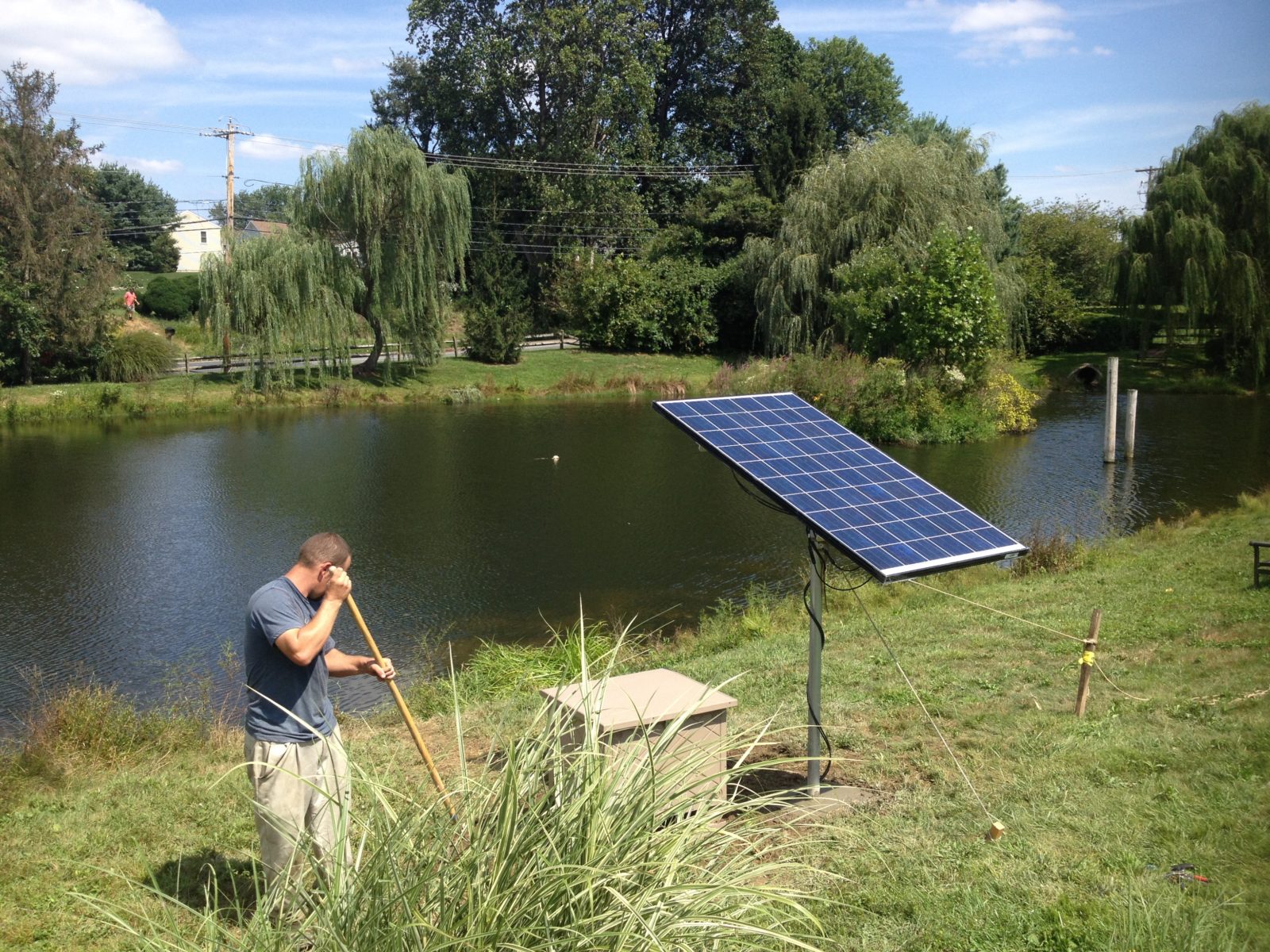
An installation of solar panels and aeration systems around a swim pond (Source: Solitude Lake Management)
Step-by-Step Guide to Installing Solar Technology in Your Swim Pond
Installing solar technology might initially appear daunting, but it can be manageable if broken down into simple steps.
Choosing the Right Solar Panels and Pumps Based on Pond Size
Assess your pond size carefully when selecting solar equipment. Solar panels typically range from 300W to 600W, with higher wattage providing better pump performance.
Installation Guidelines for Solar Panels and Pumps
- Position the Solar Panels: Ensure they face south without any shading to maximize sunlight exposure.
- Placement of the Pump: Try to position the pump as close to the solar panel as possible to minimize energy loss.
- Incorporate a Check Valve: This prevents backflow into the pump when it isn’t in use.
Assessing the Energy Output Needed for Effective Circulation
Make sure to calculate the flow rate required for your pond. A pump capable of achieving a flow rate of approximately 7,925 gallons per hour is ideal for effective water circulation.
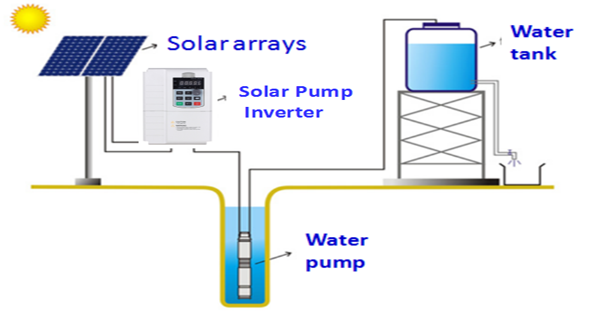
A diagram showing the installation process of solar technology (Source: Kewoac Drive)
Calculating Your Energy Savings with Solar Equipment
Understanding the financial benefits of solar equipment can help ease the decision-making process.
Understanding the Factors in Energy Consumption
Consider various factors like the energy output from solar panels, local weather patterns, and how often you use your pond pumps.
How to Calculate Long-Term Savings Using Solar Technology
To estimate energy savings, compare your previous electric costs with anticipated costs using solar-powered systems. Tailor these figures based on your specific circumstances.
Comparing Energy Costs of Solar-Powered Systems Versus Traditional Systems
Using solar technology generally means lower energy costs, with solar-powered systems typically requiring less maintenance. You could save up to $500 annually, thanks to reduced operational expenses.
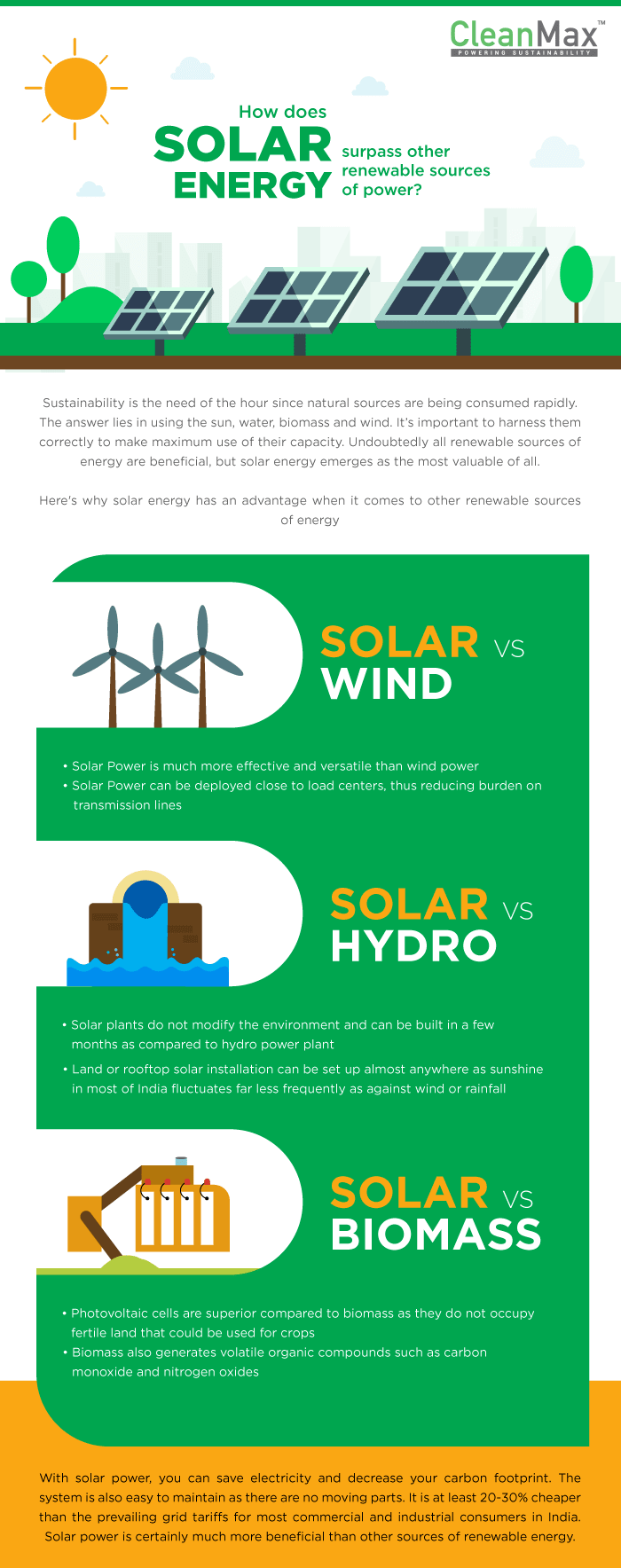
An infographic comparing the costs of energy usage between solar-powered systems and traditional energy methods (Source: CleanMax)
Finding the Perfect Solar Equipment for Your Pond Size
Choosing the right solar equipment tailored to your swim pond’s needs is crucial for efficiency.
Factors to Consider When Assessing Pond Size and Required Flow Rate
Your selected pump should match the specific flow rate requirements based on your pond size. Generally, a larger pond will need a pump with higher capacity.
Recommended Brands and Models for Different Pond Sizes
Look into well-reviewed brands that prioritize durability and efficiency ratings. Models like RPS Solar Pumps offer a range of specifications suitable for various pond sizes.
Comparing Solar Pump Systems for Efficiency
Utilize efficiency ratings to determine which pump system will perform best in your pond conditions, paying attention to flow rates to meet both your swimming and ecological needs.
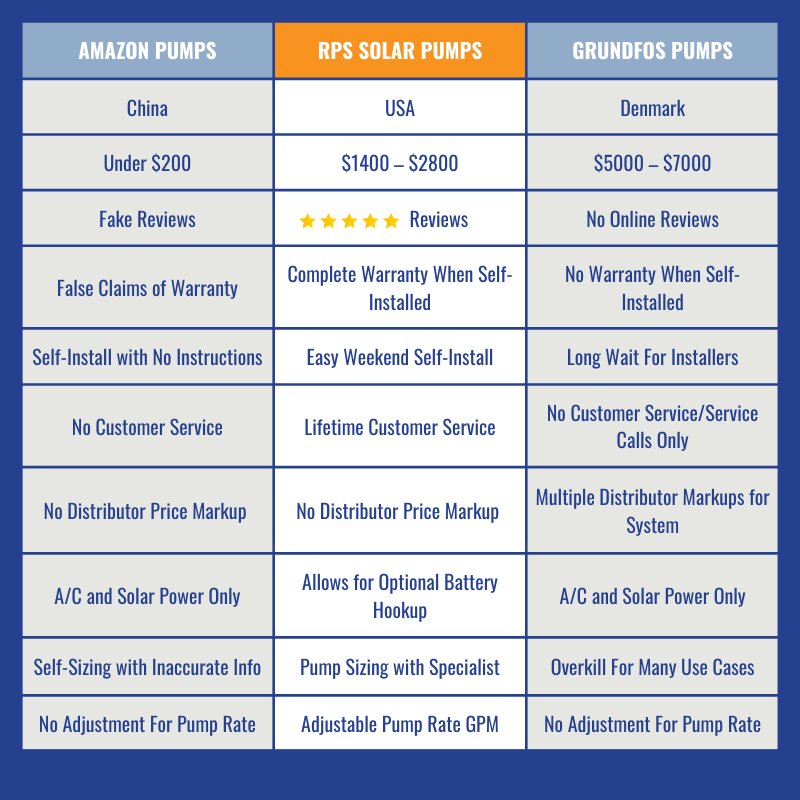
A comparison chart of different solar pumps, detailing specifications for various pond sizes (Source: RPS Solar Pumps)
Maintaining Eco-Friendly Swim Ponds: Long-Term Sustainability Practices
Routine maintenance is vital for preserving the health and beauty of your swim pond.
Routine Maintenance Tips for Solar Pools Versus Traditional Pools
Solar-powered ponds generally require fewer chemical treatments and less maintenance compared to traditional pools. You may only need to skim the surface weekly or biweekly to keep it clean.
Strategies for Preserving Water Quality and Promoting Biodiversity
Regularly check water quality, plant health, and ecological balance to ensure your pond thrives. Developing a monitoring system to verify water levels and plant vitality can be beneficial.
Seasonal Care Strategies to Keep the Ecosystem Thriving
Adopt seasonal care techniques that adjust the frequency of maintenance activities according to climate changes.

An infographic detailing seasonal maintenance tasks for swim ponds (Source: Angie’s List)
Regulatory Compliance for Your Eco-Friendly Swim Pond
Understanding local regulations is essential when constructing your swim pond.
Overview of Necessary Permits and Local Regulations
Consult local authorities regarding permits necessary for ponds exceeding certain sizes, typically around 200 to 300 square feet.
Safety Codes for Swim Ponds and Fencing Requirements
Many municipalities require safety barriers for ponds deeper than 24 inches to protect children and pets. Common regulations include specific fence heights and designs.
Environmental Assessments for Larger Projects
Check if larger projects require environmental assessments. Consult with experts to ensure compliance with all relevant regulations.

A visual representation of the permit process for constructing swim ponds (Source: PDF Filler)
The Long-Term Environmental Impact of Solar-Powered Swim Ponds
Exploring the ecological consequences of solar-powered swim ponds uncovers both their benefits and challenges.
Assessing Water Quality Long-Term and Impacts on Biodiversity
Maintain regular monitoring to ensure that water remains clean and promotes diverse aquatic life.
Benefits and Challenges Posed by Solar Panel Installations
While integrating solar panels offers numerous benefits, it is essential to manage possible negative impacts on aquatic systems.
Eco-Friendly Innovations to Improve Local Environments
Innovations in solar technology not only improve the functionality of swim ponds but also enhance ecosystem protection. Solar-powered ponds have been found to reduce water consumption by up to 50%, thereby promoting water conservation.

A rich biodiversity scene surrounding a solar-powered pond, emphasizing ecological benefits (Source: Argonne National Laboratory)
Conclusion
Incorporating a solar-powered swim pond into your backyard offers an opportunity to enjoy natural swimming while making a positive impact on the environment. By focusing on eco-friendly design principles, harnessing solar energy, and understanding local regulations, you can create a vibrant ecosystem that flourishes through natural processes. Remember that selecting the right equipment is crucial, and ongoing maintenance ensures the longevity of your pond.
As you embark on this exciting project, you will find that the environmental benefits and potential cost savings make your efforts worthwhile. With the right planning and commitment, your solar-powered swim pond can serve as a serene retreat while providing numerous ecological advantages.