Maintaining the proper pH balance in your pond is essential for the health of its inhabitants. The ideal pH range for pond health typically falls between 6.5 and 8.5. When the pH strays outside of this range, it can lead to stress for both fish and plants while reducing overall biodiversity. Many pond owners may not realize that there are effective and natural methods to regulate pH levels without relying on chemicals. In this guide, you’ll find practical strategies for balancing pH, using kitchen waste effectively, and selecting native plants that support this balance, as well as ways to identify and correct pH imbalances.
Understanding the significance of pH in aquatic ecosystems can help you nurture your pond environment. While chemical treatments may provide quick fixes, natural methods often lead to healthier and more sustainable ecosystems over time. Armed with the information in this article, you can implement effective practices that enhance your pond maintenance routine, ultimately fostering a thriving habitat for your aquatic companions.
How Can I Maintain My Pond’s pH Naturally? Discover Key Strategies
To maintain the pH of your pond naturally, it’s important to understand that the ideal pH range for healthy ecosystems is between 6.5 and 8.5. Staying within this range is vital, as extreme fluctuations can result in stress for aquatic species. A stable pH allows fish, plants, and other organisms to coexist harmoniously.
Chemical pH adjustments may yield immediate results, but they can disrupt the ecological balance of your pond in the long run. Natural methods focus on enhancing the pond’s environment through sustainable practices. For instance, using limestone to gradually raise pH or incorporating organic matter to improve water quality can maintain ecological harmony.
Research shows that imbalances in pH can lead to increased stress and reduced reproductive rates in fish, underscoring the need for continuous monitoring and management. Regular testing of pH levels, ideally on a weekly basis, helps catch imbalances early. Transitioning to natural pH management can create a more rewarding experience in maintaining your pond.
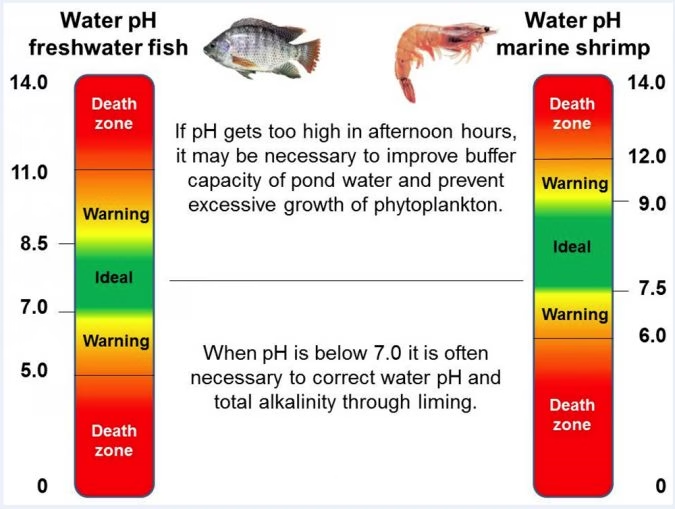
This image illustrates the ideal pH levels for various aquatic species (Source: Global Seafood)
Transform Your Kitchen Waste Into Gold for Pond Care!
One often-overlooked resource in managing pond quality is your kitchen waste. You can repurpose organic kitchen scraps into compost that enriches your pond ecosystem. Composting not only reduces waste but also contributes to stable pH levels by enhancing microbial activity, which promotes nutrient cycling.
To start, collect vegetable peels, fruit scraps, and coffee grounds for your compost pile. Adding this compost to your pond can gradually release nutrients and organic matter, supporting the growth of beneficial bacteria. This organic matter can increase carbon dioxide levels in the water, thereby lowering pH when necessary.
Research indicates that increased microbial activity from organic matter can significantly improve nutrient cycling. Best practices for introducing compost into your pond include using it sparingly and observing how your pond reacts to these additions. This sustainable approach not only enhances the balance of pH but also nurtures a healthy aquatic ecosystem.

A composting bin suitable for backyard gardening (Source: Amazon)
Which Native Plants Will Balance Your Pond’s pH Effectively?
Selecting the right native plants for your pond can greatly assist in maintaining healthy pH levels. Different regions have specific native plants that excel in nutrient uptake and can help stabilize pH. For instance, Arrow arum (Peltandra virginica) and Pickerel rush (Pontederia cordata) are highly effective in Midwestern ponds, while Louisiana water iris thrives in the Northeast and can adapt to various water depths.
These native plants do more than just help regulate pH; they also provide crucial habitats for wildlife and improve water clarity. Ideally, you should aim to cover about 50% of your pond’s surface area with plants to maximize pH stabilization and control algae growth.
Studies have shown that native aquatic plants can absorb excess nutrients, which helps prevent algae blooms and further disturbances to pH balance. When planting, consider the environmental conditions like soil type and water depth. A diverse mix of submerged, emergent, and floating plants is key for fostering a balanced ecosystem. By nurturing native flora, you contribute to an environment that supports both plant and animal life while naturally managing pH levels.

A map indicating native plant regions in North America (Source: National Wildlife Federation)
Identify and Fix pH Imbalances Naturally with Proven Techniques
Recognizing pH imbalances in your pond is crucial for maintaining a healthy habitat. Symptoms of imbalance can include excessive algae growth, poor fish health, or unwanted aquatic plant proliferation. Regular water quality testing is a good practice; using a reliable pH testing kit will help you monitor levels effectively.
If you discover a pH imbalance, you can employ natural methods to correct it. One effective technique for lowering pH is to introduce organic matter—barley straw is particularly useful as it releases carbon dioxide over time. On the other hand, if you need to raise pH, gradually adding crushed limestone or using commercial pH buffers can be beneficial.
Unpredictable drops in pH can mobilize harmful contaminants that negatively affect aquatic life. Therefore, regular monitoring and prompt correction are vital to preserving your pond’s ecosystem. Implementing these natural methods will help stabilize pH levels, aligning with sustainable practices that promote long-term health for the pond.
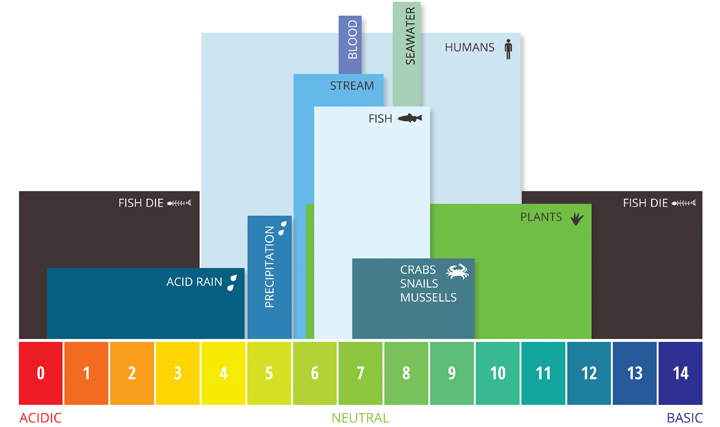
This graph illustrates the pH levels over time, showing fluctuations that can affect pond organisms (Source: Fondriest Environmental)
Can Mythbusting Revolutionize Your Pond Maintenance Practices?
There are many misconceptions surrounding pond care that can lead to ineffective maintenance practices. For example, many believe that chemical treatments are the only effective solution for managing pH levels. In fact, sustainable practices utilizing natural methods can be equally effective, if not more so, over time.
People sometimes think that quickly increasing pH is the best approach, but research emphasizes that rapid changes can result in long-term instabilities. Misunderstandings such as these can deter pond owners from exploring natural solutions.
By addressing these myths and providing evidence-based responses, you can improve your pond’s health. Expert opinions support the idea of integrated approaches that combine natural solutions with careful monitoring. Understanding how these practices work together can help you maintain a healthy and balanced pond ecosystem.

An infographic highlighting myths and facts regarding pond maintenance practices (Source: Just Pondering)
Long-Term Considerations: How Effective Are Natural Solutions Compared to Chemicals?
When weighing the options between natural and chemical methods for pH balancing, it’s important to reflect on the effectiveness and practicality of each approach. Natural methods, like applying limestone, can sustainably stabilize pH levels over years, while chemical treatments often provide immediate results but may not contribute to lasting ecological balance.
Natural solutions can enhance ecosystem health, thereby promoting biodiversity and stability within your pond environment. Regular monitoring and gradual adjustments can help maintain ideal conditions, while the overuse of chemicals can disrupt the ecosystem.
Though initial investments in natural methods may be slightly higher, many pond owners find that the long-term benefits—such as healthier ecosystems and reduced operational costs—far outweigh these upfront expenses. Research indicates that sustainable practices can lead to lower overall costs in the long run, making them a smart choice for dedicated pond owners.
A comparative infographic showing the differences between chemical treatments and natural methods for pond care (Source: BigCommerce)
Conclusion
Achieving a balanced pH in your pond is essential for preserving the health of the entire ecosystem. This guide has outlined various natural methods that can effectively regulate pH without the potential drawbacks of chemical treatments. Whether you’re utilizing everyday resources like kitchen waste or establishing a diverse group of native plants, each action contributes positively to your pond’s health.
By understanding the importance of monitoring water quality, dispelling myths about maintenance, and embracing natural solutions, you can foster an environment that supports biodiversity and clarity. Ultimately, adopting these practices not only enhances the health of your pond but also reflects your commitment to sustainable pond management. With the right approaches, you can cultivate a thriving habitat for all aquatic life within it.