
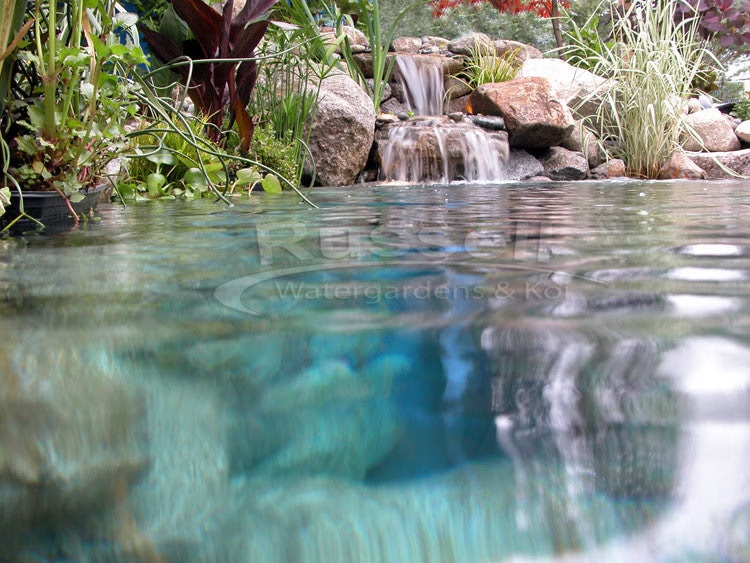
Hybrid swim ponds effectively combine aesthetics and functionality, offering homeowners an appealing water feature that enhances their gardens while providing a natural swimming environment. These ponds merge ecological and technological elements to create a self-sustaining ecosystem, delivering numerous advantages compared to traditional swimming pools.
One of the primary benefits of hybrid swim ponds is their reduced maintenance requirements. Unlike conventional pools, which rely heavily on chemical treatments, hybrid ponds use natural filtration methods that not only improve water quality but also minimize their environmental impact. Homeowners appreciate the visual appeal of these ponds, which can beautifully integrate into the landscape.
In terms of financial benefits, the installation of a hybrid swim pond can significantly boost property values. Research indicates that homes featuring environmentally sustainable features typically sell for higher prices, with hybrid swim ponds potentially increasing property values by up to 15% in eco-conscious areas. This combination of environmental benefits and property enhancement makes hybrid swim ponds an appealing choice for homeowners looking to invest in a sustainable and attractive water feature.
Dive Into the Benefits of Hybrid Swim Ponds
Hybrid swim ponds offer a multitude of advantages, distinguishing them from traditional swimming pools. Firstly, maintenance demands are considerably lower. For traditional pools, annual maintenance costs can range from $350 to $1,050. In comparison, hybrid swim ponds average around $450 per year. The reason for this difference lies in the minimal need for chemical interventions, as these ponds utilize natural filtration systems.
Image showing a hybrid swim pond.
Beautifully designed hybrid swim pond (Source: Jacksonville)
Another significant benefit is their aesthetic appeal. Hybrid swim ponds can be seamlessly integrated into garden designs, creating a tranquil setting for relaxation and recreation. They serve as swimming areas while also contributing to local ecology by supporting aquatic plants and wildlife.
Moreover, hybrid swim ponds can substantially increase property value. Homes that feature these eco-friendly amenities can expect value rises of up to 15% compared to similar properties lacking such features. Consequently, investing in a hybrid swim pond not only enhances personal enjoyment but also presents a sound financial decision.
How Tradition Meets Technology in Hybrid Swim Ponds
The combination of traditional methods and modern technology enhances the efficiency of hybrid swim ponds. Advanced biological filtration systems, such as the Hydro Vortex™ Hybrid Pond™ System, maintain water quality by utilizing beneficial bacteria for natural filtration.
Image of hybrid swim pond filtration system.
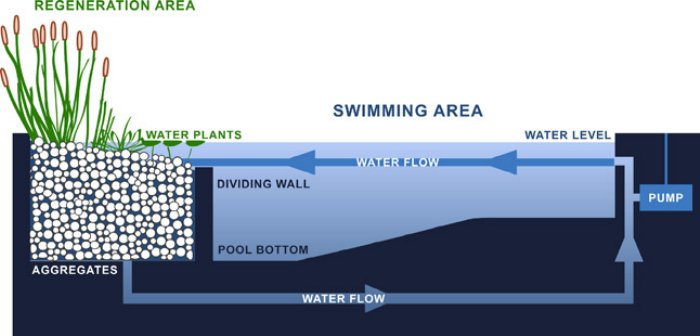
Diagram of hybrid swim pond filtration system (Source: Insteading)
One of the most substantial advancements in this area is the use of bead filters. These filters can trap particles as small as 10 microns, offering greater clarity compared to traditional sand filters. Additionally, many hybrid swim ponds incorporate ultraviolet (UV) filtration systems. This combination not only enhances water quality but also reduces the dependency on chemical treatments.
New smart control systems further optimize the maintenance routine by continuously monitoring and adjusting water quality parameters. This ensures optimal conditions in the pond with minimal human intervention. Such innovations significantly enhance the feasibility of hybrid swim ponds as a sustainable choice for homeowners.
Ensuring Safety and Regulations for Your Swim Pond
Establishing a hybrid swim pond necessitates a clear understanding of the safety standards and regulations that govern water features. In the United States, comprehensive federal regulations are lacking; instead, state and local laws define requirements. Many jurisdictions classify hybrid swim ponds as conventional swimming pools, imposing similar regulations, including fencing, depth markers, and filtration systems.
Image summarizing safety regulations.

Infographic summarizing water safety regulations (Source: Rental Resource)
Compliance with safety standards is crucial, particularly for public swim ponds. Regular testing for bacteria, including E. coli, is necessary to uphold water quality. Some jurisdictions may even prohibit certain chemicals commonly used in pools, underscoring the importance of alternative filtration methods.
Homeowners should consult local health departments or swimming pool regulations to ensure compliance with requirements during the planning and construction phases of their hybrid swim ponds. These proactive measures not only protect those using the pond but also enhance the pond’s longevity and sustainability.
Maintaining Your Hybrid Swim Pond Made Simple
Proper maintenance of hybrid swim ponds involves a combination of routine tasks that ensure the system remains healthy and effective. Unlike traditional pools, which require extensive chemical treatments, hybrid systems thrive on natural processes. Regular maintenance typically includes skimming debris from the surface, trimming aquatic plants, and monitoring water quality, all of which necessitate minimal intervention.
Image showing maintenance of a hybrid swim pond.

Seasonal care checklist for hybrid swim pond maintenance (Source: Leslie’s Pool)
Annual maintenance costs are generally lower for hybrid swim ponds due to the minimal reliance on chemical treatments. While traditional pools often incur yearly costs between $350 and $1,050, hybrid ponds typically average around $450, with larger systems potentially reaching up to $5,000 in maintenance costs.
Specific maintenance tasks vary by season. In spring, routine system checks and debris removal are crucial. Summer requires attending to algae management, while fall focuses on leaf removal. In winter, the use of de-icers might be necessary to maintain water flow. As the ecosystem matures, the pond tends to stabilize, resulting in reduced long-term maintenance needs.
Cost Breakdown of Installing a Hybrid Swim Pond
Understanding the financial aspects of installing a hybrid swim pond is vital for prospective owners. Initial construction costs may be higher than for traditional pools, largely due to the required natural filtration systems and landscaping. However, these upfront costs are often compensated by reduced ongoing maintenance expenses.
Image comparing cost breakdowns.

Cost comparison graph for traditional pools vs hybrid swim ponds (Source: Fixr)
Factors influencing initial costs include the pond’s size, the complexity of the filtration system, and the landscaping involved. Nevertheless, significant savings on maintenance accumulate over time, as hybrid ponds usually have far lower upkeep costs due to their self-sustaining nature.
Moreover, the absence of chemical treatments contributes to long-term savings, enhancing the feasibility of hybrid swim ponds as an investment. Consequently, homeowners should carefully consider these factors when budgeting for a hybrid swim pond, recognizing it as an essential addition to their property.
Eco-Conscious Investment: The Market Impact of Hybrid Swim Ponds
Hybrid swim ponds reflect a growing trend in real estate, especially within environmentally conscious markets. These natural features enhance property aesthetics and offer significant financial benefits. Homes with sustainable features like hybrid swim ponds can experience property value increases of up to 15% compared to homes without such amenities.
Image of residential property with hybrid swim pond.
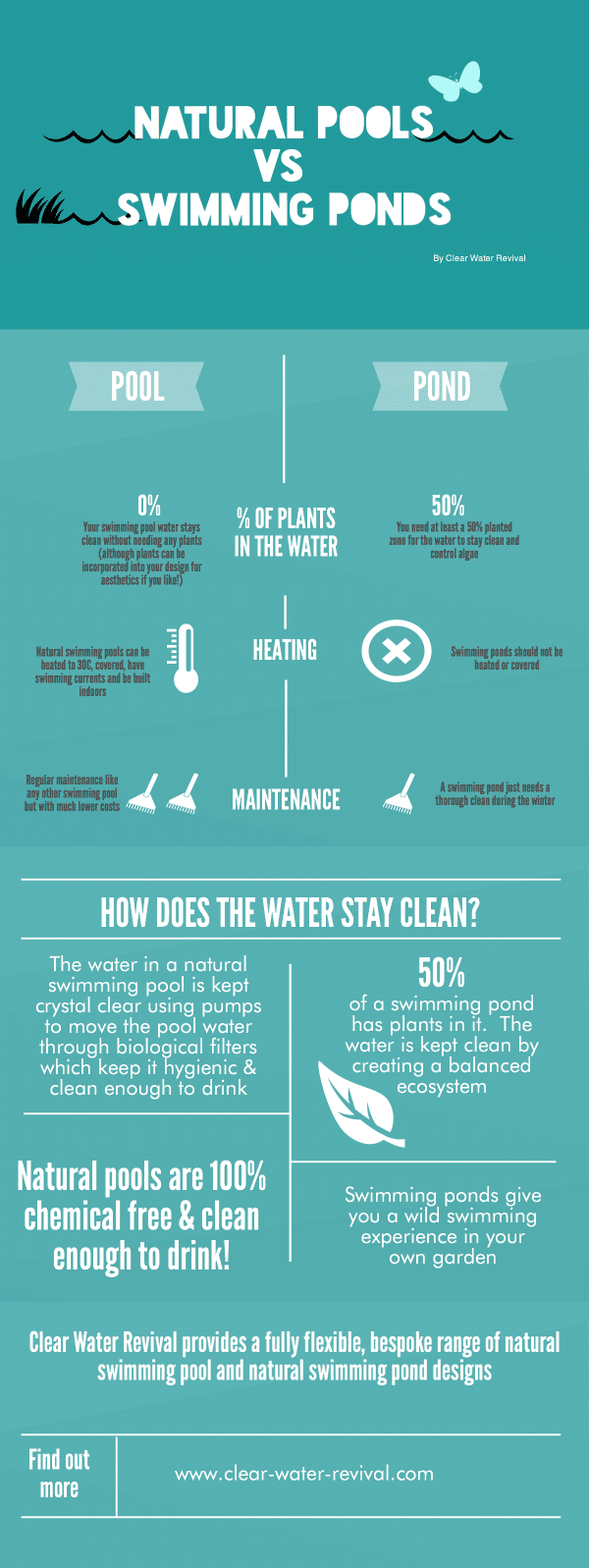
Illustrative data on property value increases (Source: Elemental Green)
In eco-focused neighborhoods, hybrid swim ponds draw significant attention from buyers keen to invest in sustainable practices. They serve as unique selling points, distinguishing homes and attracting buyers willing to pay a premium for houses with these features.
The market for hybrid swim ponds is evolving, driven by a growing awareness of sustainability and its benefits. The recognition of natural swimming pools by certain states, including Minnesota, illustrates the increasing acceptance of these eco-friendly alternatives in property assessments and valuations.
Climate Adaptability: Can Hybrid Swim Ponds Thrive Everywhere?
Hybrid swim ponds exhibit remarkable adaptability, allowing them to function effectively in both tropical and temperate climates. In tropical regions, elevated day and night temperatures can speed up biological processes, necessitating different management strategies to maintain optimal water quality.
Image of hybrid swim pond in tropical climate.
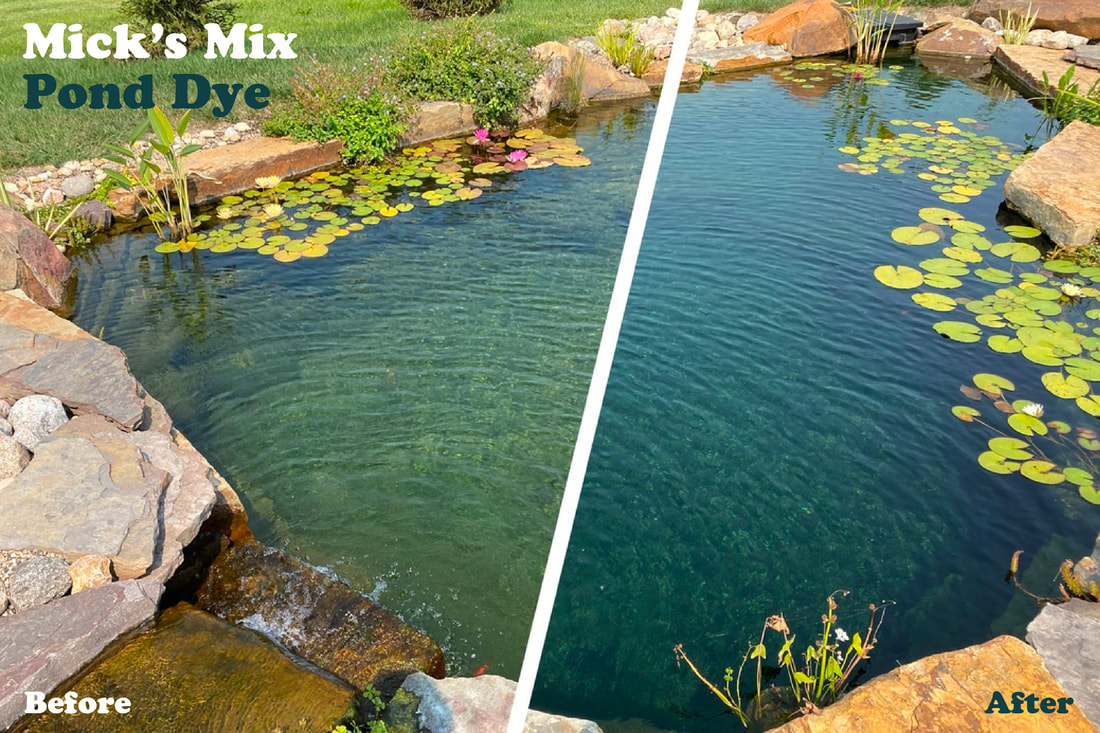
Comparison of hybrid swim ponds in different climates (Source: Total Habitat)
The selection of appropriate plants is critical for the success of hybrid swim ponds. Tropical ponds typically feature species adapted to warm climates, while temperate regions utilize hardier plants capable of withstanding seasonal changes. For instance, cold-weather climates may benefit from water lilies, which can endure freezing temperatures.
Maintenance tasks also vary meaningfully based on climate. Tropical ponds may require more frequent upkeep due to rapid growth rates, while temperate ponds must adjust to seasonal transitions. Overall, the versatility of hybrid swim ponds extends their appeal, making them effective and sustainable in diverse environmental conditions.
Hybrid swim ponds offer an innovative solution that merges natural beauty with ecological responsibility. They present substantial benefits, including reduced maintenance costs, increased property values, and sustainable features that appeal to environmentally conscious homeowners. As technology continues to advance, the integration of smart systems and enhanced filtration solutions will further refine the usability of hybrid swim ponds, paving the way for a promising future in sustainable water features.