
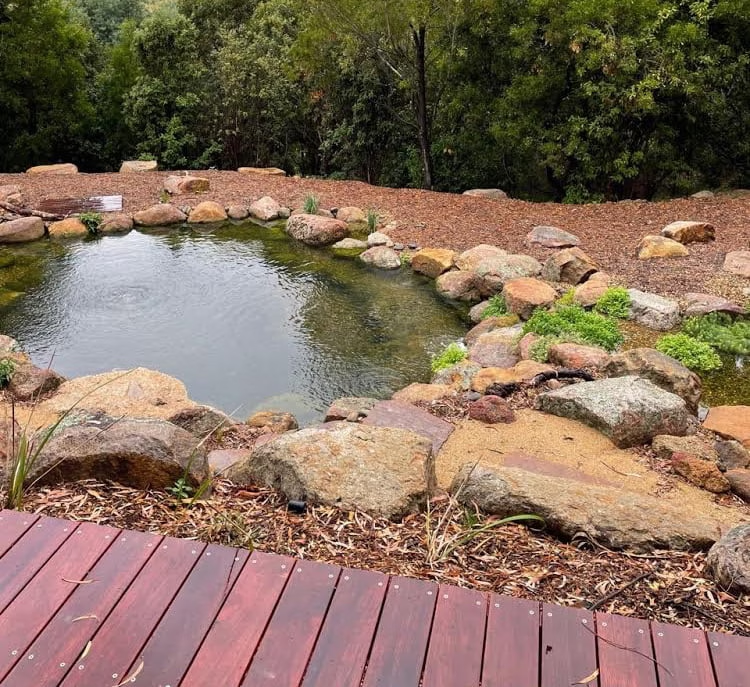
Creating a beautiful pond oasis in your backyard can be an enjoyable and environmentally responsible endeavor. By choosing salvaged stone and reclaimed timber, you can enhance the visual appeal of your outdoor space while actively contributing to sustainability. This guide will provide you with essential insights into incorporating these eco-friendly materials into your pond borders—from sourcing to design, structural integrity, and regulatory considerations.
The Eco-Friendly Pond Transformation: Using Salvaged Stone and Timber to Enhance Your Outdoor Oasis
As an eco-conscious homeowner or DIY enthusiast, you may find the allure of sustainable practices appealing, especially in enhancing your outdoor spaces. When you opt for reclaimed materials like salvaged stone and timber, you’re not just beautifying your pond area; you’re also making a commitment to improve environmental outcomes.
The choice of sustainable materials is about more than just aesthetics; it reflects a desire to positively influence the environment. Using salvaged materials helps reduce waste and decreases the demand for newly extracted resources, thereby lowering your carbon footprint. Research from organizations focused on sustainable materials indicates that using reclaimed resources can significantly reduce the energy consumed during production and transportation.
Suppliers such as Stone Curators and Monarch Stone International are making high-quality salvaged stone options available to you, emphasizing both sustainability and aesthetic value. The integration of these reclaimed materials can create a rugged yet harmonious atmosphere, fostering environmental health in your pond ecosystem.
An aesthetically pleasing pond design featuring reclaimed timber and salvaged stones (Source: Nature Build)
Sourcing Quality Salvaged Materials: Your Guide to Affordable, Sustainable Options
Once you’ve decided to enhance your pond using salvaged stone and timber, your next step is sourcing these materials effectively. Finding options that are both affordable and sustainable starts with identifying reputable suppliers specializing in reclaimed goods.
Companies like Stone Curators and Monarch Stone International are excellent starting points. Stone Curators focuses on granite curbstones sourced from old roads, while Monarch Stone provides cobblestone materials from Europe. Make certain to verify the legality of your materials by requesting documentation that confirms they were sourced responsibly and sustainably, complying with local environmental regulations.
Salvaged materials can often be more affordable than new options due to their unique nature and market availability. Be proactive in checking out local salvage yards, contractors, or community groups dedicated to sustainable practices. An array of online marketplaces can also feature listings for reclaimed materials from individuals or businesses.
In discussions with suppliers, inquire about each material’s condition and history. By understanding the origin and previous use of your choices, you can ensure a trustworthy investment in your garden pond.
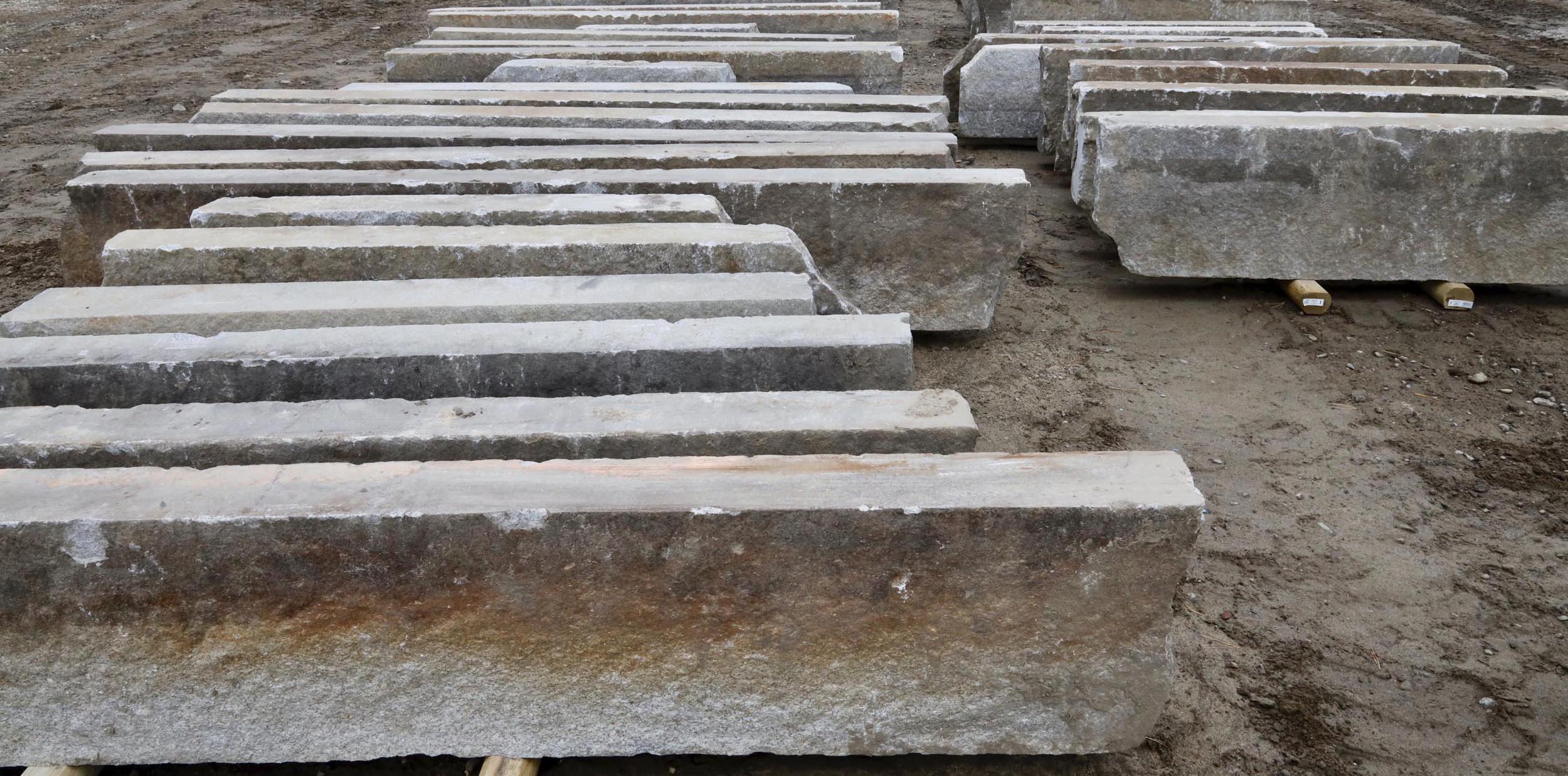
A visual representation of reclaimed granite curbstones, showcasing high-quality salvaged materials (Source: Stone Curators)
Do It Right: Ensuring Structural Integrity with Reclaimed Materials
When incorporating reclaimed timber and stone into your pond borders, you may have concerns about structural integrity. It’s essential to ensure that your pond remains not just visually appealing but also safe and sound.
Start with a solid foundation, particularly for heavy stone materials. Aim to lay down a layer of compacted gravel or crushed stone at least 4 to 6 inches deep. This aids in properly distributing weight and preventing sinking. For wooden elements, secure pressure-treated posts anchored in concrete footings that reach below the frost line, especially in cooler climates.
Consider employing interlocking systems for stones to bolster stability. Start with larger stones at the base, then layer smaller ones on top, ensuring each stone is in contact with at least two others. Similarly, wooden borders can be secured with notched joints or metal brackets to ensure stability.
It’s crucial to address drainage as well. Install perforated drainage pipes behind any stone walls or wooden constructions taller than three feet to prevent water accumulation, which could compromise the integrity of your borders over time.
Following these construction techniques helps you significantly reduce the likelihood of structural failures while also ensuring the long-lasting beauty of your pond.
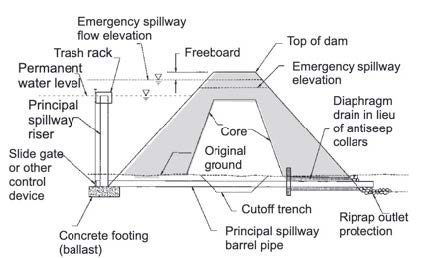
A diagram illustrating proper construction techniques and foundational placements for building a pond (Source: Oklahoma State University)
Creative Design Ideas for a Stunning Eco-Friendly Pond
Creating an enchanting pond area is an exciting project that allows for ample creative expression. With salvaged stones and reclaimed timber, you have endless possibilities for design.
Begin by incorporating various textures and colors into your pond border. Large stones can serve as natural seating areas, while smaller, colorful pebbles can fill in gaps, adding visual interest. Use reclaimed timber not just as borders; you can build rustic benches or paths alongside the pond, enhancing functionality while preserving aesthetic appeal.
Think about integrating native plants around the edges of your pond. Species like cattails and blue flag iris provide both beauty and improved water quality by filtering pollutants. Striking a harmonious blend with natural flora allows you to preserve surrounding ecosystems and create a tranquil space.
Inspiration often comes from local wildlife. You may find that combining native plants and salvaged materials cultivates a vibrant ecosystem that attracts various species like frogs and dragonflies, enriching the overall pond experience.

An appealing backyard pond design that incorporates salvaged stone and timber elements (Source: Nature Build)
The Eco-Friendly Advantage: Comparing Materials for Pond Borders
When considering materials for your pond border, it’s valuable to understand how salvaged options compare to traditional materials.
From a cost perspective, reclaimed materials can often result in significant savings compared to new options. Traditional stone materials typically require substantial resources for extraction and transport, contributing to increased costs and environmental impact. Reusing materials helps lower the demand for new production, utilizing what is already available in nature.
Sustainability is a key factor. New materials may have hidden environmental costs related to extraction rates and pollution from transportation. In contrast, reclaimed materials promote eco-friendliness by reducing landfill waste and the energy spent on creating new products.
Moreover, treated reclaimed timber can offer unique aesthetic advantages that new timber often cannot match. Each piece carries its own history and contributes character to your landscape. By accentuating the irregularities and weathered beauty of reclaimed materials, you can create a rich visual narrative throughout your pond design.
Experts strongly recommend evaluating costs and benefits thoroughly. Conducting your due diligence ensures that you choose materials that align with both your aesthetic vision and environmental values.

An infographic comparing the environmental benefits of reclaimed materials versus traditional materials (Source: ResearchGate)
Navigating Regulations: What You Need to Know About Your Pond Project
Before embarking on your pond project, familiarizing yourself with local regulations regarding the use of salvaged materials is crucial. Many states have specific permitting requirements for garden ponds, particularly if reclaimed materials are involved.
Typically, if your pond exceeds a certain size—often 1/4 acre or larger—you may need permits from local environmental agencies. For example, in New York, constructing a pond that impacts protected waterways requires specialized permits. It’s a good practice to check with your state’s wildlife agency about any restrictions or regulations that apply to pond construction.
Water rights also vary significantly across the country. In many states, capturing and storing water can be subject to strict laws, and violations can lead to fines. Understanding these laws, especially in states like California and Colorado, should be a priority before considering your project.
Furthermore, restoring and constructing with salvaged materials must comply with local building codes that manage contamination risks. This highlights the importance of obtaining proper documentation for your reclaimed materials.
Working closely with local authorities and consulting their guidelines will help steer you toward compliance while safely realizing your pond vision.
A flowchart illustrating the regulatory process for constructing garden ponds and using salvaged materials (Source: Oklahoma State University)
Conclusion
Creating a pond with salvaged stones and reclaimed timber provides an enriching, sustainable experience that enhances your landscape while promoting eco-friendly practices. By carefully sourcing your materials, ensuring structural integrity, and complying with local regulations, you can create a serene pond that withstands the test of time.
Keep in mind that this journey goes beyond constructing a pond. It embodies a commitment to fostering an ecosystem that thrives with wildlife and nurtures natural habitats. With thoughtful design and planning, your pond can become an integral part of your home—a peaceful retreat where nature flourishes and beauty surrounds you.
As you explore the potential of sustainable landscaping, embrace the opportunity to turn your vision into a vibrant reality.