Creating a swim pond can be a fantastic choice for your family, especially when you prioritize safety and enjoyment for your children. Swim ponds offer more than just a place to cool off; they provide a unique natural experience that encourages play, learning, and growth. Unlike traditional swimming pools, swim ponds can blend seamlessly into your landscape while being aesthetically pleasing and functional. This guide will walk you through the essential aspects of designing a kid-safe swim pond, including safety regulations, design features, water quality maintenance, and enjoyable elements for your children.
With careful planning and a bit of creativity, your swim pond can become a safe haven for family activities. Let’s dive into the key components you should consider when designing a swim pond that is both secure and entertaining for your kids.
Why Opt for a Kid-Safe Swim Pond? Discovering the Benefits
Swim ponds bring numerous benefits, particularly for families with children. One significant advantage is their natural filtration systems, which greatly reduce the need for harsh chemicals. This makes swimming safer and more enjoyable for children, especially those with sensitive skin.
Additionally, swim ponds provide unique sensory experiences. Children can engage with different textures and elements, such as plants and rocks, which fosters creativity and imaginative play. Swimming in a natural setting encourages physical activity and social interaction, allowing children to develop essential skills in a fun environment.
Research indicates that interacting with natural water environments is linked to reduced anxiety and improved mental health for children. Regular exposure to such spaces can also enhance motor skills development and improve problem-solving abilities compared to traditional pools.
Children enjoying a natural swim pond (Source: The New York Times)
Your Swim Pond Blueprint: Essential Safety Regulations You Need to Know
Designing a swim pond comes with legal responsibilities aimed at keeping children safe. Key regulations you should be aware of include barrier requirements, which state that the area must be enclosed with a fence at least 48 inches tall to prevent unauthorized access. In some areas, fences may need to be 60 inches high for added security.
Access control is another critical aspect; gates must be self-closing and self-latching. It’s important to designate a ‘Water Watcher’ who can supervise children while they are swimming.
Proper drain covers and alarms on doors leading to the pond can add another layer of safety. Keeping up with water testing and adhering to local regulations will help ensure your swim pond is compliant with safety measures designed for such spaces.

Swim pond equipped with safety fencing (Source: Amazon)
Creating a Secure Swim Area: Design Features for Safety
To prioritize your children’s safety while they enjoy the swim pond, consider incorporating design elements that enhance security. Start by creating shallow areas with gradual slopes; this can significantly minimize any potential drowning risks. These gentle slopes allow children to enter and exit the water safely while enjoying themselves.
Selecting non-slip materials for the pond decking is crucial. This helps ensure that surfaces around the pond are safe, reducing the likelihood of slips and falls.
Additionally, ensure that proper drainage covers are installed to prevent entrapment. Regular maintenance of these safety features is essential to maintain a secure swimming environment for your loved ones.

Swim pond design featuring gradual slopes (Source: Good Housekeeping)
Keeping Water Clear and Safe: Water Quality Essentials
Maintaining water clarity and quality is vital for ensuring a safe swim pond. A natural filtration system, which may include biofiltration zones and gravel filters, can effectively keep the pond water clean. This approach creates a safe swimming area free from harmful chemicals that could irritate young skin.
Regular monitoring and testing of the water are critical. By implementing UV sterilization systems, you can significantly reduce harmful microorganisms and algae, improving safety and clarity in the water.
Natural filtration systems not only maintain a high standard of water quality but also support the ecosystem of the pond, making it an inviting space for children to swim and play.
.webp?width=1200&height=868&name=BioNovaNaturalPool%20(1).webp)
Biofiltration system effectively maintaining swim pond water quality (Source: Green Builder Media)
Exploring Family-Friendly Features: Fun Elements for Kids
Swim ponds designed with family-friendly elements can significantly enhance your outdoor space. Consider incorporating natural features like rocks, plants, and water play areas where children can explore and engage in creative activities.
Incorporating splash pads and designated shallow zones can provide safe areas for younger kids, while older children can enjoy deeper sections. Including slides and gentle connecting slopes leading to the pond will encourage hours of active fun.
Creating a sensory-rich environment stimulates imaginative play, enabling children to explore their surroundings while ensuring their safety and enjoyment.

Fun elements incorporated in a family-friendly swim pond (Source: Boston Globe)
Budgeting for Your Dream Swim Pond: Costs to Consider
When planning for a swim pond, it’s essential to analyze both initial construction costs and long-term maintenance expenses. Generally, swim ponds can range from $65,000 to $250,000, with smaller ponds averaging about $70,000 and larger ones costing substantially more.
In comparison, traditional pools may seem cheaper at first, with costs ranging from $28,000 for inground pools to about $35,000 for above-ground models. However, when considering ongoing maintenance, swim ponds often prove to be more economical due to their natural filtration systems, which reduce the need for chemicals.
Over time, this can lead to savings in maintenance costs and chemical expenses, making swim ponds a financially viable option for many families.
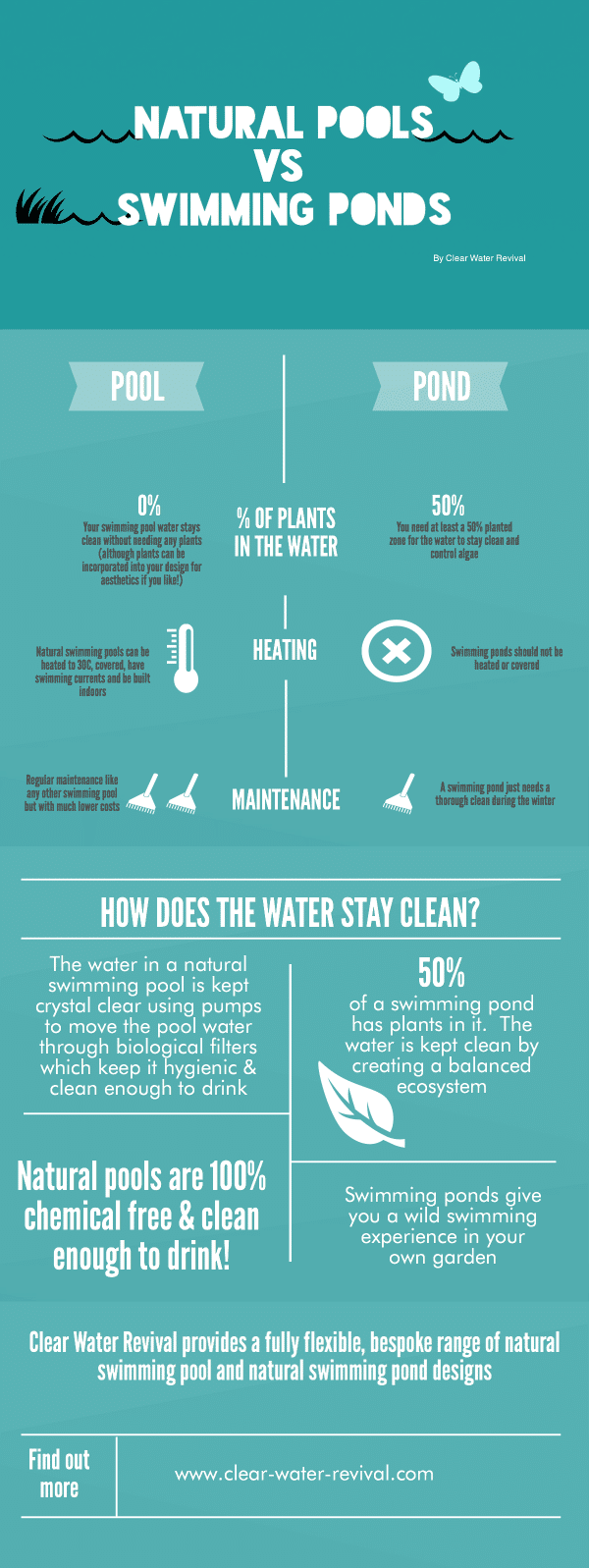
Graphical comparison of costs between swim ponds and traditional pools (Source: Elemental Green)
Case Studies of Kid-Safe Swim Ponds: Inspiration and Best Practices
Exploring successful case studies can provide valuable insights into effective kid-safe swim pond designs. One example is the Mini Natural Swimming Pool by C.E. Pontz Sons, specifically tailored for young children. This pool features a wetland filtration system, a large natural-stone cave for exploration, and interactive fountains.
Another notable project is the Ellicar Pools Swimming Pond, designed with shallow areas and gradual slopes, offering a safe and educational environment for kids to engage with nature.
These installations highlight the importance of combining natural aesthetics with safety features, resulting in successful family-friendly swim pond environments.
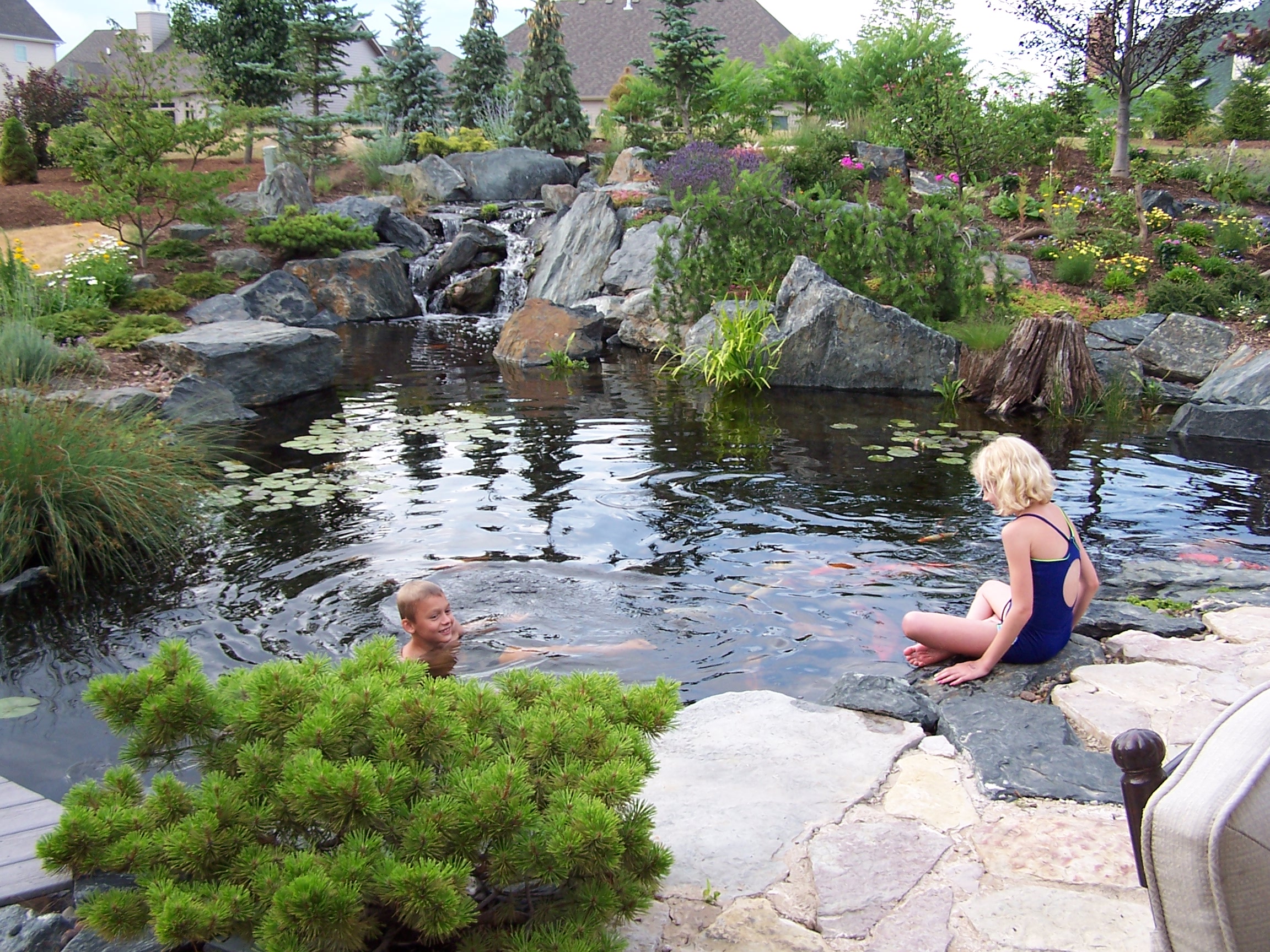
Successful family-friendly swim pond installation showcasing child-specific features (Source: Deck and Patio)
Conclusion: Making Your Swim Pond a Safe Haven for Your Family
In summary, designing a kid-safe swim pond requires thoughtful planning and consideration. By focusing on safety regulations, creating secure areas, and ensuring water quality, you can provide a fun and safe space for your family to enjoy.
Consider the various features that can enhance play while also ensuring a nurturing environment for your children. As you embark on creating your swim pond, envision your ideal setup, incorporating elements that foster both fun and safety. Remember that regular safety checks and supervision are vital to maintaining a secure area. Enjoy building a beautiful, family-friendly outdoor space that will provide joy for years to come!
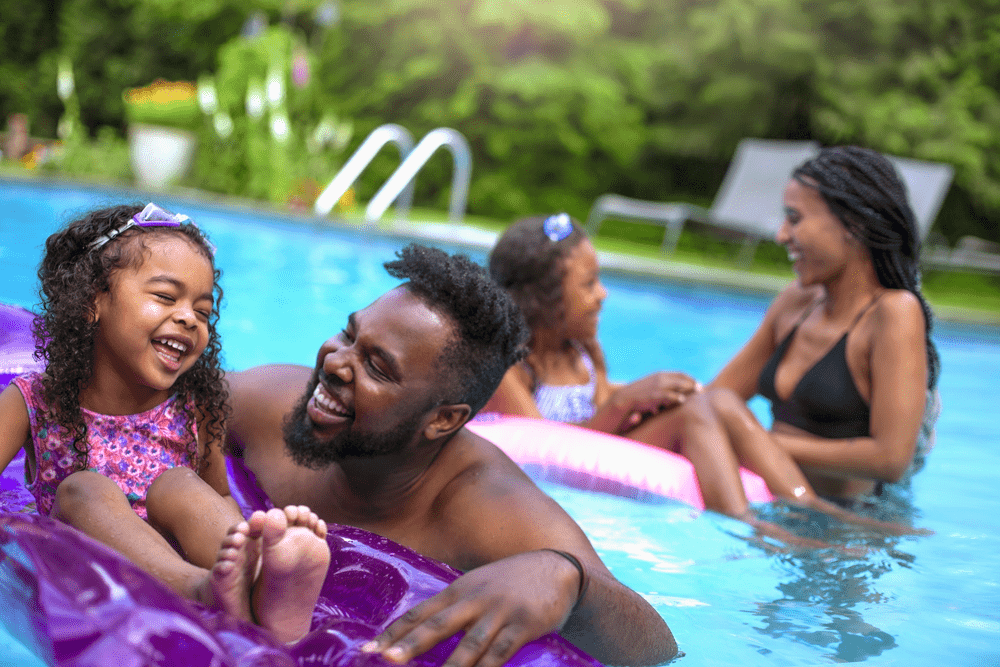
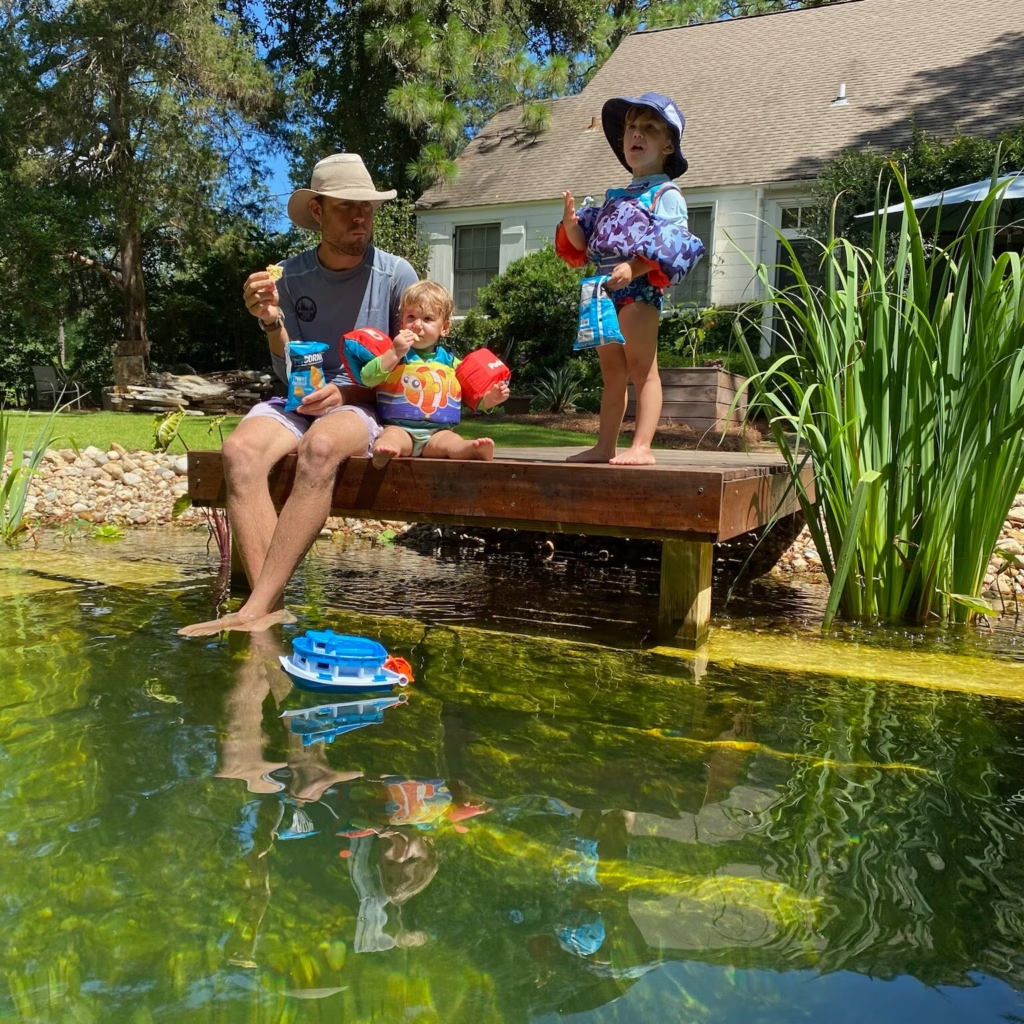
Family bonding by their swim pond (Source: Fluidra)