Creating a swim pond offers a sustainable alternative to traditional swimming pools, providing a natural, eco-friendly environment for swimming. This guide equips landscapers, eco-conscious homeowners, and garden enthusiasts with comprehensive insights into building self-cleaning swim ponds. Unlike conventional pools, self-cleaning swim ponds use natural processes together with native plants to maintain water quality without the need for harsh chemicals. Through proper construction techniques and careful plant selection, swim ponds can promote biodiversity and enhance the surrounding landscape. In addition to creating serene spaces for recreation, these ponds can serve as habitats for local wildlife.
Understanding the costs associated with swim ponds is crucial for prospective builders. Research indicates that natural swimming ponds typically average around $70,000 in initial investment but tend to incur lower long-term maintenance expenses compared to traditional chlorinated pools. Additionally, these ponds can use up to 50% less water, making them a sustainable landscaping option. This guide is structured to help individuals make informed decisions about their swim pond projects, addressing construction methods, plant selection, maintenance requirements, and navigation of local regulations.
Transforming the Yard with a Self-Cleaning Swim Pond
A self-cleaning swim pond is designed to mimic the natural ecosystems found in lakes and ponds. Unlike traditional swimming pools that rely on chemical treatments for sanitation, swim ponds utilize biological processes to maintain water clarity and quality. This involves two distinct zones: a deeper swimming area and a shallow regeneration zone. In the regeneration zone, aquatic plants naturally filter the water, absorbing nutrients and removing impurities.
The design of swim ponds emphasizes sustainability. They can be constructed to minimize chemical use and reduce maintenance requirements, which greatly appeals to eco-conscious homeowners. Integrating various native plants into the regeneration zone not only enhances biodiversity but also provides aesthetic benefits, creating a space that harmonizes with the environment.
Natural swimming ponds can serve broader ecological purposes. They support wildlife and encourage pollinators, contributing to sustainable landscaping practices. Establishing a balanced ecosystem within the pond ensures water clarity and fosters a thriving environment for both flora and fauna.
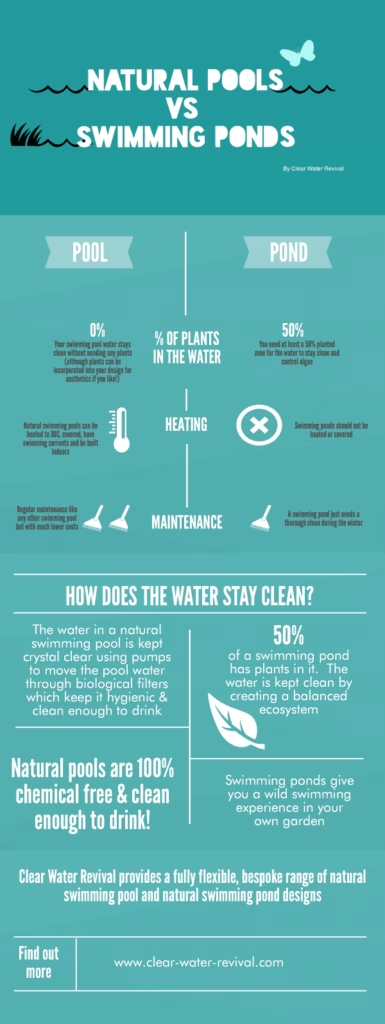
An infographic illustrating the comparison between natural swimming pools and traditional ponds. (Source: Elemental Green)
Comprehensive Guide to Building an Eco-Friendly Swim Pond
The construction of a self-cleaning swim pond involves several essential techniques and materials. Proper excavation and shaping are vital. The pond should feature sloping sides at a 1:3 ratio to ensure stability and efficient water circulation. This design promotes safety while allowing for adequate drainage. The swimming area should be approximately 2 meters deep, with the regeneration zone constituting at least 50% of the total pond area.
An important aspect of construction is selecting durable liners, such as EPDM or PVC, to ensure longevity. An underlayment of geotextile can add protection against punctures. Additionally, implementing a biological filtration system that utilizes aquatic plants is crucial for maintaining a clean ecosystem. Incorporating energy-efficient technologies, such as solar-powered pumps, can also reduce the ecological footprint by minimizing energy consumption.
By integrating these techniques, the construction of a swim pond can align with ecological sustainability while providing an appealing backyard feature.
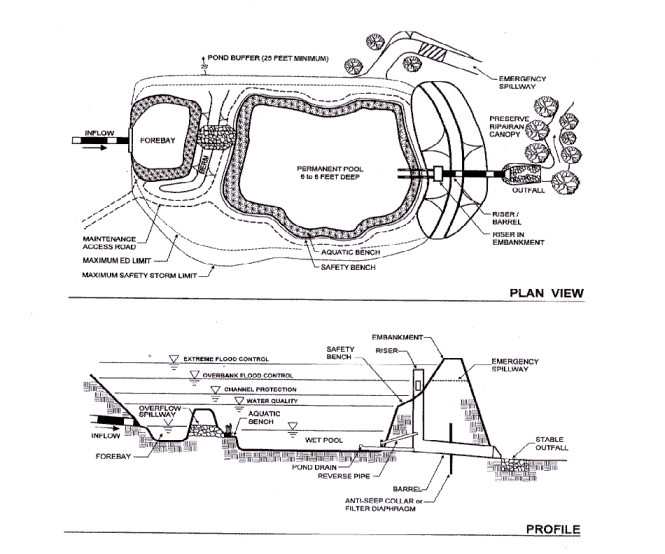
A step-by-step diagram showing the construction process of a pond. (Source: Stormwater Center)
Selecting Native Plants: Nature’s Cleanup Crew
Choosing the right native plants is fundamental to the success of a self-cleaning swim pond. Various species play essential roles in maintaining water quality through natural filtration. For instance, water lilies are not only visually appealing but also help shade the pond, limiting algae growth and producing oxygen. Yellow flag iris is beneficial for stabilizing banks and absorbing nutrients.
Different plant species thrive in specific climates. In temperate zones, water lilies, pickerelweed, and hornwort are excellent choices, while tropical environments may benefit from water hyacinth and canna. Additionally, the density of plant life in the regeneration zone affects the pond’s filtration efficiency; a well-planned arrangement maximizes nutrient uptake and enhances water quality.
By selecting native aquatic plants, pond owners can improve the ecosystem while minimizing long-term maintenance costs. Research supports that these plants enhance both visual appeal and ecological health, making them a practical choice for swim ponds.

A photograph showcasing a variety of native aquatic plants thriving in a pond setting. (Source: Premier Pond)
Maintaining Organic Water Quality for the Pond
Maintaining high water quality in a swim pond is achievable through organic strategies that emphasize plant management and biological systems. Regular testing of water quality attributes, such as pH and nutrient levels, is integral to sustaining a balanced ecosystem. The natural filtration capabilities of aquatic plants facilitate nutrient absorption and help prevent toxic build-up.
Establishing a maintenance schedule is essential. Regularly removing debris from the water surface helps keep the pond clean, while seasonal checks of plant growth and water quality contribute to overall health. Promoting the growth of beneficial bacteria within the biological systems also aids in the organic breakdown of waste products, further enhancing water clarity.
Research indicates that proactive monitoring and management practices not only improve water quality but also result in lower long-term maintenance costs. By focusing on organic methods, pond owners can achieve a sustainable balance within their water features.

A graphical representation of a water quality testing kit. (Source: Elico)
Simplifying Swim Pond Maintenance: Efficiency and Cost-Effectiveness
Proper maintenance of a swim pond is vital for ensuring long-term enjoyment and functionality. Routine tasks can be categorized into daily, monthly, and seasonal requirements. Daily maintenance includes removing debris from the water surface and monitoring the water level. Monthly tasks may involve testing water quality and pruning excessive plant growth to maintain ecological balance.
Seasonal maintenance requires specific tasks as well. During the spring, built-up sludge from winter should be removed, and planting should commence for optimal growth. In the autumn, skimming the surface becomes essential to manage falling leaves. Winter preparation typically involves securing equipment and removing sensitive plants from exposure to harsh conditions.
Cost-saving measures can enhance maintenance efficiency. Solar-powered filtration systems, for example, can reduce energy bills while ensuring adequate water circulation. Following a structured maintenance schedule contributes to reduced long-term expenses, making swim ponds a sustainable investment compared to traditional pools.

A calendar graphic illustrating a hypothetical maintenance schedule for water gardens. (Source: Shopify)
Navigating Regulatory Requirements for Swim Ponds
Understanding local regulations is crucial when planning a self-cleaning swim pond. Permits for these ponds often align with those required for traditional swimming pools. Key approvals can include construction permits, electrical permits for pumps, and plumbing permits if connections to the water supply are necessary. Familiarity with local zoning codes is also essential to comply with setback requirements and other regulations.
Environmental assessments may be required depending on the size of the pond, which can prolong the application process. Many municipalities also mandate fencing regulations for safety purposes, especially around in-ground water features. Engaging with local planning authorities can facilitate navigating these processes and ensure compliance with required guidelines.
Consulting with professionals experienced in local regulations can offer valuable insights and streamline the permitting process, ultimately enhancing the project’s chances of success.

A flowchart detailing steps for obtaining necessary permits for aquatic projects including swim ponds. (Source: NOAA Fisheries)
Real-Life Success Stories in Eco-Friendly Swim Pond Projects
Examining successful implementations of eco-friendly swim ponds offers practical insights into effective design and integration techniques. Projects such as BioNova’s natural swimming pools exemplify the integration of native and adapted plant species in the regeneration zone. These designs not only enhance water quality but also provide a captivating aesthetic that harmonizes with surrounding landscapes.
In Ontario, Canada, incorporating native Canadian plants has demonstrated how local flora can thrive within swim pond ecosystems. Homeowners frequently report increased wildlife attraction, making the pond an integral part of their gardens’ biodiversity. Designers emphasize the combination of aesthetics with ecological functionality, showcasing the potential of these ponds to create tranquil and vibrant outdoor spaces.
By learning from these real-world examples, future projects can optimize both beauty and environmental integrity.
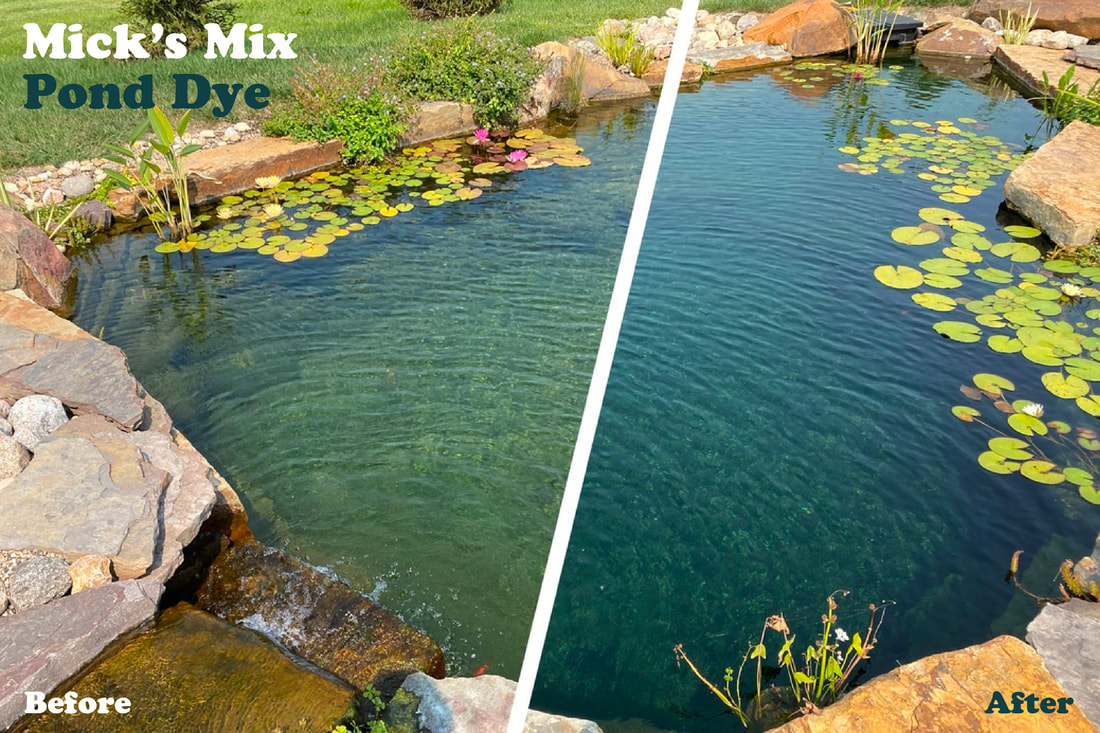
A before and after comparison of a successful eco-friendly swim pond installation. (Source: Total Habitat)
Getting Started with Your Eco-Friendly Swim Pond Project
Taking the first steps toward building a swim pond involves careful planning and resource management. Establishing a budget is fundamental, as is assessing the available space for the pond installation. By outlining design considerations early on, homeowners can identify potential challenges and opportunities to enhance the pond’s functionality.
Beginning with a modest concept is often recommended. This strategy allows for adjustments and expansions as experience is gained. Researching initial costs compared to long-term benefits is essential for sustainable investment. The integration of natural elements is vital for water quality management, enriching the overall experience of engaging with nature.
As prospective pond builders embark on their journey, understanding the balance between environmental conservation and personal enjoyment will ensure a successful and fulfilling project.
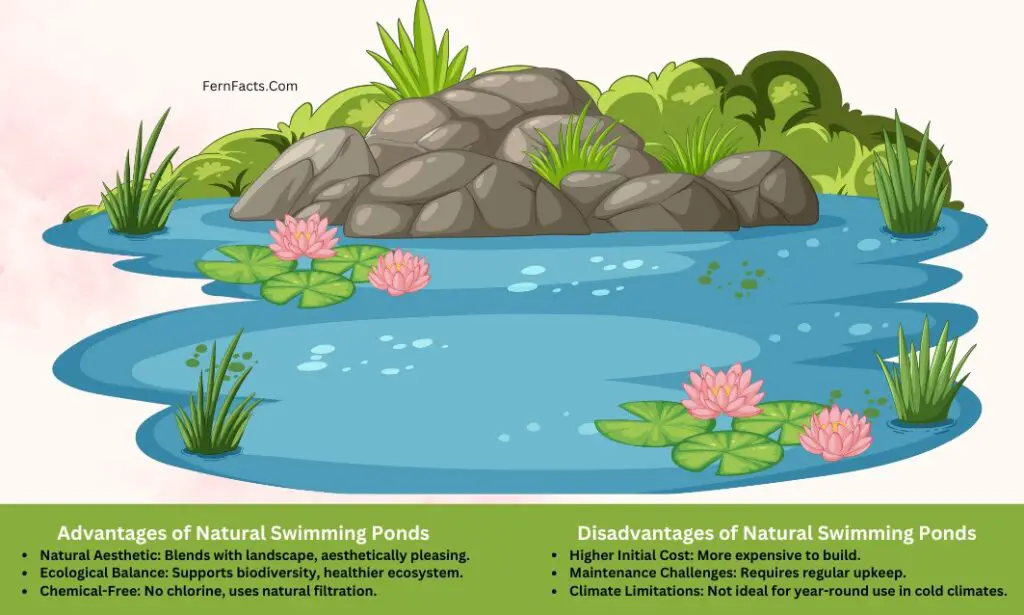
A checklist graphic depicting steps and considerations when starting a swim pond project. (Source: Fern Facts)
Conclusion
Creating a self-cleaning eco-friendly swim pond presents an opportunity for homeowners and landscapers to foster sustainability while enhancing outdoor spaces. By implementing appropriate construction techniques, selecting native plants, and adopting organic maintenance strategies, swim ponds can thrive as natural ecosystems that provide recreational benefits without the use of harmful chemicals.
Ultimately, the ecological advantages of swim ponds extend beyond personal enjoyment, contributing to local biodiversity and fostering a greater appreciation for nature. With careful planning, a comprehensive understanding of local regulations, and lessons drawn from successful projects, the journey to building a self-cleaning swim pond can become a rewarding experience that aligns personal aspirations with environmental stewardship.