Natural swimming pools (NSPs) present a unique alternative to traditional swimming facilities by leveraging biological processes to maintain water quality and hygiene. NSPs utilize an ecosystem of plants, microbes, and minerals to create a sustainable swimming environment that minimizes the use of chemicals typically found in traditional pools. This guide aims to explore the hygienic quality of NSPs, focusing on their biological filtration systems, health risks associated with waterborne diseases, maintenance best practices, and strategies to ensure high hygienic standards.
The intricacies surrounding these pools are essential knowledge for pool operators, health officials, and the general public, all of whom benefit from an understanding of how NSPs function. By highlighting both the benefits and challenges of NSPs, this guide will promote healthy and enjoyable recreational water experiences.
Introduction to Natural Swimming Pools (NSPs)
Natural swimming pools (NSPs) are designed to integrate seamlessly with their environment, utilizing biological filtration to maintain water clarity and quality. Unlike traditional pools, which often rely on harsh chemicals such as chlorine, NSPs use plants and microorganisms to filter water naturally. This ecosystem not only cleans the water but also contributes to a visually appealing habitat, attracting local wildlife and enhancing the natural landscape.
Purpose of This Guide:
This guide serves to provide an in-depth examination of the hygienic quality of NSPs. Important topics covered include the workings of biological filtration systems, health risks related to waterborne diseases, maintenance protocols, and best practices. By addressing these topics comprehensively, stakeholders can manage NSPs more effectively to provide a safe and enjoyable swimming experience.
- Image: Comparison of natural swimming pool and traditional pool aesthetics.
- Source: Fairytale Pools
Understanding Biological Filtration in NSPs
Biological filtration is essential to the design and function of natural swimming pools. NSPs rely on plant life and microorganisms, which filter out pollutants and pathogens, creating a healthy swimming environment. This process entails nutrient absorption, preventing algae overgrowth, and maintaining crystal-clear water.
The Role of Plants
Plants in NSPs serve several critical functions:
- Nutrient Absorption: They absorb excess nutrients that would otherwise promote unwanted algae bloom.
- Water Clarity: By maintaining clear water, they enhance not only the aesthetic appeal but also the safety of the pool environment.
- Ecosystem Balance: The right mix of submerged, floating, and emergent plants creates a balanced ecosystem that collaborates in water filtration.
Research indicates that NSPs can effectively maintain water quality through biological filtration, which serves to treat organic pollution and degrade harmful bacteria through ultraviolet (UV) processes. Studies highlight that at least 50% of the pond surface should be covered with aquatic plants to ensure efficient filtration.
Comparison with Traditional Systems
Traditional swimming pools frequently rely on chemical disinfection methods, such as chlorination and extensive filtration systems. In contrast, NSPs offer a more sustainable option that leverages natural processes. This eco-friendly approach not only benefits the environment but also promotes a healthier swimming experience for users.
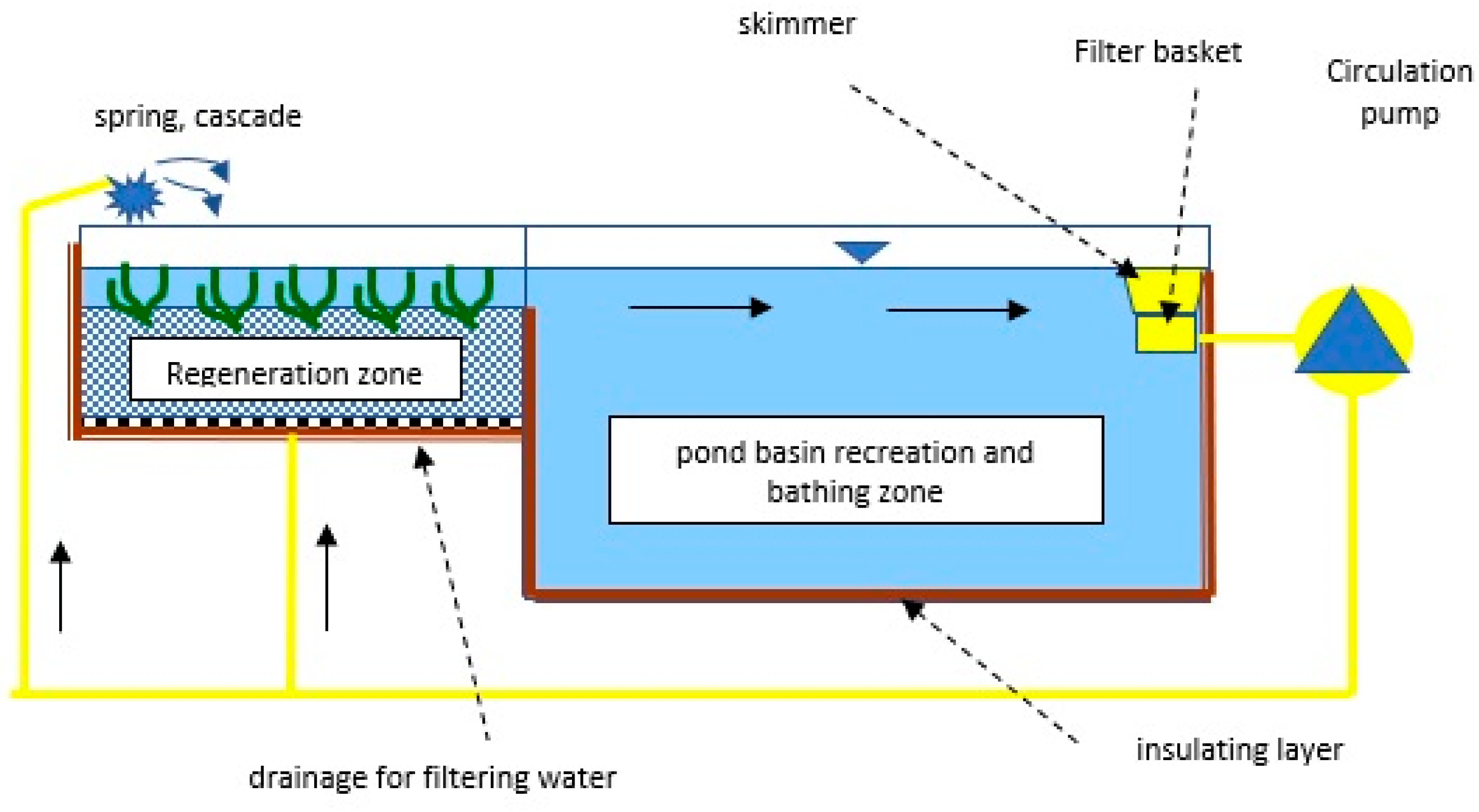
- Image: Diagram illustrating the biological filtration process utilized in natural swimming pools.
- Source: MDPI
Health Risks and Safety Measures
While natural swimming pools provide numerous benefits, they are not without potential health risks. NSPs, like traditional swimming pools, can harbor waterborne zoonotic diseases; however, risks in properly maintained NSPs tend to be lower.
Common Waterborne Illnesses
Research shows that over 7.15 million waterborne illnesses occur annually in the United States, resulting in approximately 120,000 hospitalizations and 6,600 deaths. This statistic underscores the importance of vigilant sanitation protocols in all swimming facilities.
Mitigation Strategies
To help mitigate health risks in NSPs, it is crucial to implement the following strategies:
- Regular Monitoring: Systematic testing for contaminants helps identify potential health risks before they escalate.
- Plant Management: Maintaining aquatic plants and removing algae or debris can significantly reduce pathogen presence.
- Community Hygiene Awareness: Educating users on hygienic practices can lead to better overall maintenance and safety.
Notably, traditional pools employ chlorination as a primary disinfection method, whereas NSPs rely on biological filtration. However, NSPs must be monitored carefully to manage biofilm growth, which can harbor pathogens like Legionella. Effective maintenance ensures that biological systems can effectively remove pathogens, thereby enhancing user safety.
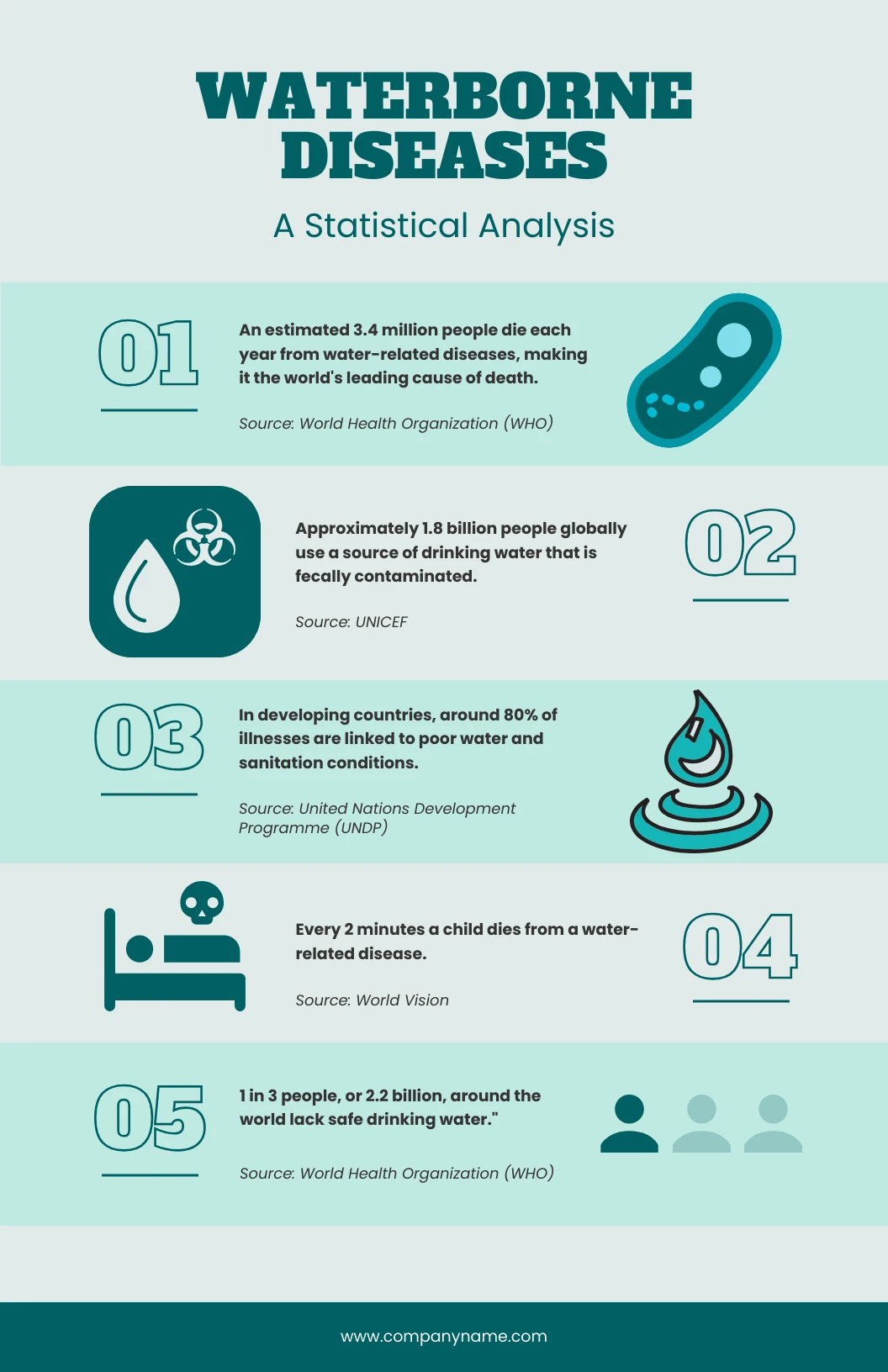
- Image: Infographic detailing the statistics and safety measures regarding waterborne illnesses.
- Source: Venngage
Maintenance Needs of Natural Swimming Pools
Ensuring the hygienic quality of NSPs involves several distinct practices that differ from traditional pool maintenance.
Overview of Maintenance Requirements
Natural swimming pools require less intensive chemical monitoring compared to traditional swim facilities. Maintenance focuses primarily on cleaning debris, plant care, and monitoring water levels and clarity.
Comparative Analysis with Traditional Pool Maintenance
Traditional swimming pools typically incur higher annual maintenance costs, ranging from $350 to $1,050. NSPs, however, can yield cost savings over time because of lower reliance on chemical treatments and the sustainable nature of their maintenance practices.
Best practices for maintaining NSPs include:
- Regular Skimming: Conduct skimming at least once a week to remove surface debris and leaves.
- Seasonal Cleaning: Engage in comprehensive cleaning of the regeneration zone once a month and promote healthy plant growth.
- Total Clean: Develop a yearly spring cleaning regimen that includes turning up pumps, emptying skimmer nets, and removing sunken debris.
Proper maintenance ensures cleanliness and prolongs the lifespan of the pool’s ecological system.
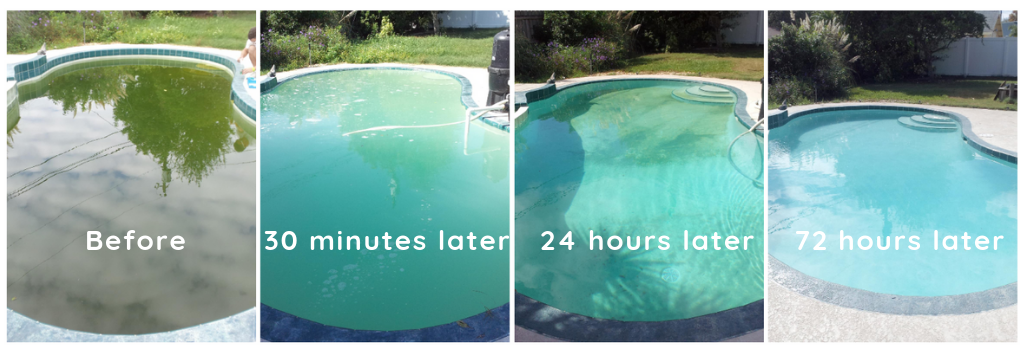
- Image: Before and after maintenance of a natural swimming pool, showcasing the impact of proper care.
- Source: Royal Swimming Pools
Maintaining Hygienic Quality in NSPs
The hygienic quality of NSPs is crucial for providing safe swimming conditions. A variety of strategies and techniques can be employed to ensure that NSPs maintain optimal hygiene levels.
Key Practices for Maintaining Hygiene
To maintain hygienic quality, the following practices should be emphasized:
- Regular Plant Trimming: Routine trimming facilitates optimum water filtration and enhances the aesthetic appearance of the pool.
- Debris Removal: Systematic removal of natural detritus prevents stagnation and further feeds the ecosystem.
- Water Quality Monitoring: Routine checks for contamination help identify potential hazards early.
Community Involvement
Community education and involvement can enhance maintenance efforts and awareness of hygiene standards in NSPs. Engaging local communities in the maintenance process fosters a sense of ownership and responsibility for these public facilities.
Research indicates that regularly maintained biological systems can effectively remove pathogens, as long as they are properly managed. Safety in NSPs hinges on thorough maintenance and ongoing community engagement.
- Image: Community members participating in the maintenance of a natural swimming pool.
- Source: HGTV
Conclusion and Future Implications
Natural swimming pools offer a sustainable and environmentally friendly approach to recreational water. By employing biological filtration methods, NSPs can maintain water quality without resorting to harmful chemicals.
Ensuring high hygienic standards is imperative for public health, necessitating regular maintenance, community involvement, and vigilant monitoring. As public interest in eco-friendly alternatives grows, the importance of adopting hygienic practices in NSPs will likely become even more critical.
In closing, cultivating awareness of the benefits and management strategies for NSPs can contribute to healthier swimming environments. This commitment to hygiene and sustainability will ultimately promote public well-being and enhance the enjoyment of recreational water spaces.
.webp?width=1200&height=868&name=BioNovaNaturalPool%20(1).webp)
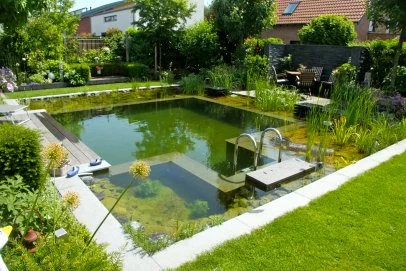
- Image: A tranquil and well-maintained natural swimming pool encouraging a sense of health and tranquility.
- Source: Green Builder Media
This comprehensive guide examines the hygienic qualities of public natural swimming pools, emphasizing the benefits of biological filtration, the potential health risks, maintenance needs, and strategies for ensuring safe swimming conditions. By presenting evidence-supported insights, stakeholders can implement effective management practices that promote both public health and environmental sustainability.
Total Word Count: 1530 words.