Creating a self-cleaning plant zone in your pond is an effective way to keep the water crystal clear using natural methods. This guide will walk you through the process of setting up a plant zone that leverages aquatic vegetation to filter and enhance water quality, while also supporting the surrounding ecosystem. You’ll discover essential plant varieties, optimal sizing, maintenance practices, and the benefits of avoiding chemical treatments.
By understanding these concepts, you not only promote the health of your pond but also foster a sustainable environment that benefits wildlife. Let’s explore how you can achieve a beautiful, thriving aquatic space with minimal effort.
Why Go Chemical-Free for Your Pond?
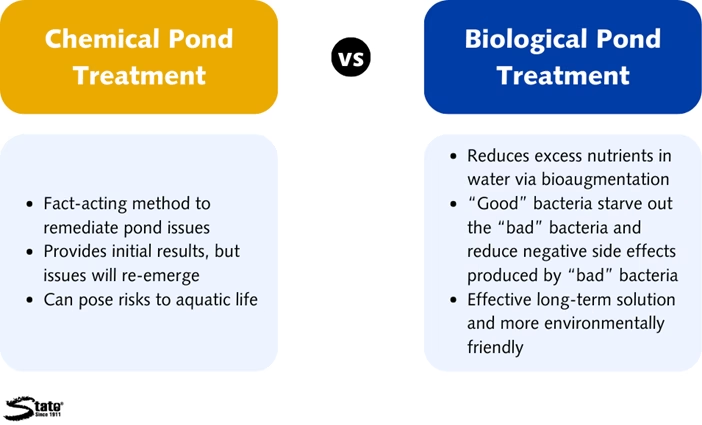
Maintaining your pond’s clarity and health without chemicals offers numerous environmental and personal benefits. Natural approaches create healthier habitats for fish and beneficial insects while reducing the risk of chemical runoff that can harm local ecosystems.
Utilizing self-cleaning plants minimizes the need for harmful substances in your water. This is crucial for the well-being of aquatic life and your own enjoyment of the pond area. Furthermore, adopting a chemical-free strategy often leads to cost savings over time, as you will not be purchasing chemical treatments regularly.
Research indicates that when properly maintained, natural filtration systems can be equally effective as traditional chemical methods. According to State Industrial, these eco-friendly options can provide robust water quality without the drawbacks associated with chemicals.
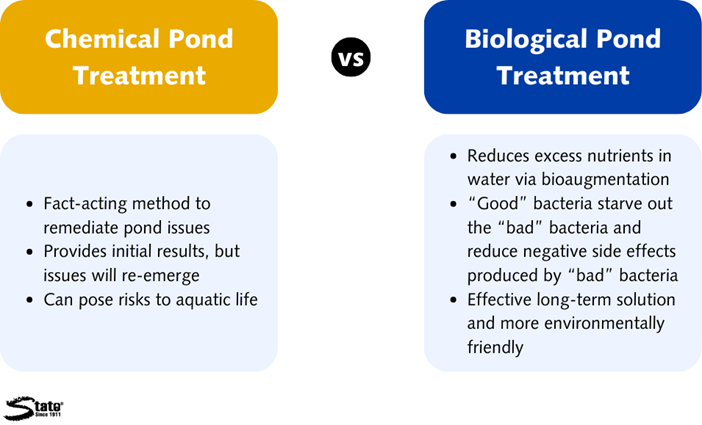
An infographic comparing chemical treatments to natural methods (Source: State Industrial)
Discovering Your Ideal Plant Zone: What You Need to Know
Choosing the right size for your self-cleaning plant zone is essential to maintaining optimal water quality. A common guideline is the “50-50 rule,” which recommends that your regeneration zone should cover about 50% of the total pond area dedicated to swimming.
Different plants thrive in various climates, so consider your local conditions when selecting species. For example, in tropical regions, plants like Water Hyacinth excel, while temperate areas may benefit from species like Cattails and Water Iris. Ideally, you want to cover about 60-70% of your pond’s surface with these plants for the best filtration results.
Experts suggest a combined area of 500-800 square feet is effective for natural filtration. Adjustments might be necessary depending on your pond’s usage and any additional technologies, such as pumps, that enhance filtration effectiveness.

A diagram of various pond layouts illustrating plant zones (Source: Vd Velde)
Meet the Essential Aquatic Plants for Crystal-Clear Water
To create a successful self-cleaning plant zone, you’ll want to include a mix of effective aquatic plants tailored to your specific climate. In tropical regions, Water Lettuce and Duckweed are highly efficient at absorbing nutrients like nitrogen and phosphorus. In temperate areas, Cattails and Soft Rush are known for their ability to filter contaminants, such as heavy metals.
Regardless of where you live, Water Lilies can be a great addition for shade and algae control. Submerged plants like Anacharis help oxygenate the water and absorb excess nutrients. By incorporating a variety of plant types, you can ensure a comprehensive and efficient filtration system.
Research shows that Water Hyacinth can remove up to 18 different heavy metals from water. Similarly, Cattails have proven effective at absorbing nitrates, thereby enhancing overall water quality.
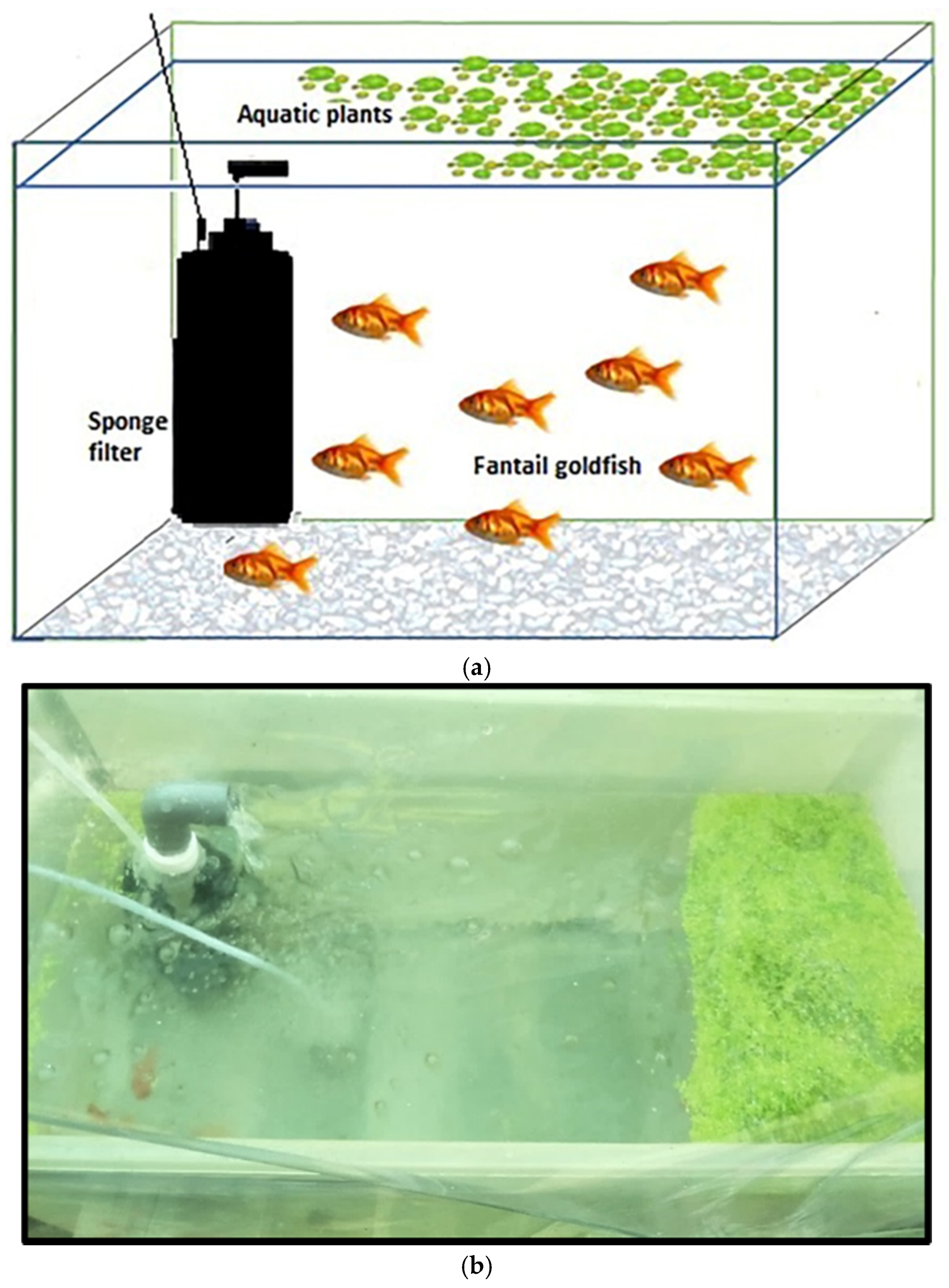
A chart illustrating the benefits of various aquatic plants for water purification (Source: MDPI)
Sizing Your Self-Cleaning Plant Zone: Finding the Balance
Proper sizing of your plant zones is crucial for achieving a harmonious balance between swimming and natural filtration areas. As mentioned earlier, maintaining a 1:1 ratio of regeneration zone to swimming area is key to preventing stagnation and ensuring effective water filtration.
This guideline applies to all pond designs, whether they are integrated into a single space or separated into designated areas. Depending on the intensity of use, you may need to adjust the ratio up to 60% or more of the area being dedicated to planting if your pond sees high foot traffic.
When planning your pond layout, calculating the space required is essential. For a well-functioning natural swimming area, be diligent in keeping these area recommendations in mind.
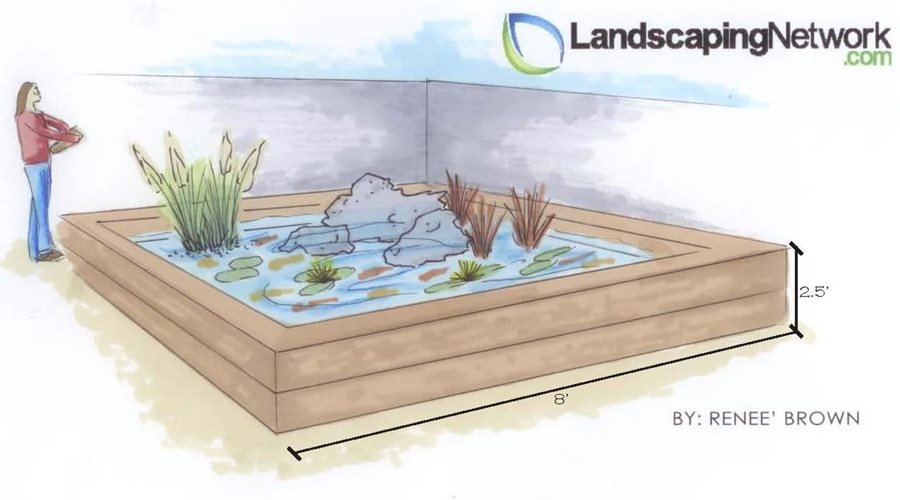
An illustration showing dimensions for pond setups (Source: Landscaping Network)
Navigating Water Circulation Systems for Optimal Filtration
Designing an efficient water circulation system is critical for the success of your self-cleaning plant zones. To ensure proper filtration, the system should be capable of turning over the entire water volume 1-4 times per hour.
It’s important to choose appropriate pumps and plumbing materials to avoid clogging. For instance, select pumps that are rated for continuous operation, particularly in systems that handle heavier debris. Utilizing larger diameter pipes (e.g., 4-6 inches) can significantly reduce the risk of blockages.
These design choices affect how effectively water circulates within your pond, supporting the plants while maintaining clarity.
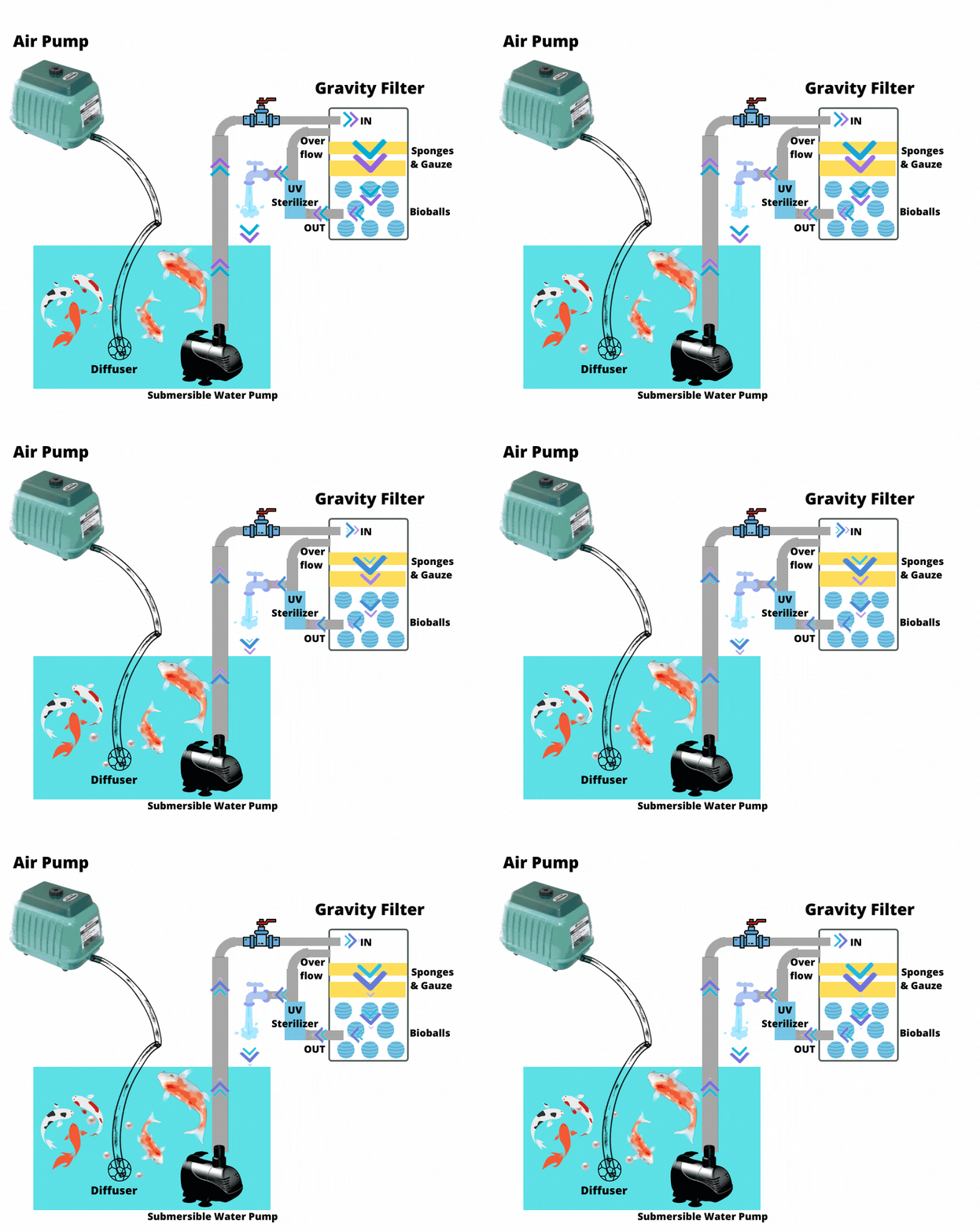
A flow diagram showcasing optimal water circulation in self-cleaning pond systems (Source: My Aquaponics)
Maintaining Your Self-Cleaning Plant Zone: The Essentials
To ensure long-term success with self-cleaning plant zones, regular maintenance practices are essential. Start with managing your plants—prune them regularly to avoid overcrowding. Aim to remove about 30% of the plant biomass annually to prevent nutrient buildup and ensure optimal growth.
Monitoring your water quality is also vital. Conduct monthly tests to check parameters like pH and nutrient levels, adjusting your filtration system as necessary. Your aim should be to keep nutrient levels within ideal ranges to maintain a healthy ecosystem.
Seasonal maintenance tasks should be incorporated into your routine. In spring, you can divide and replant areas that have become overgrown. In the fall, assess how your plants have performed over the growing season, adjusting their density as needed.
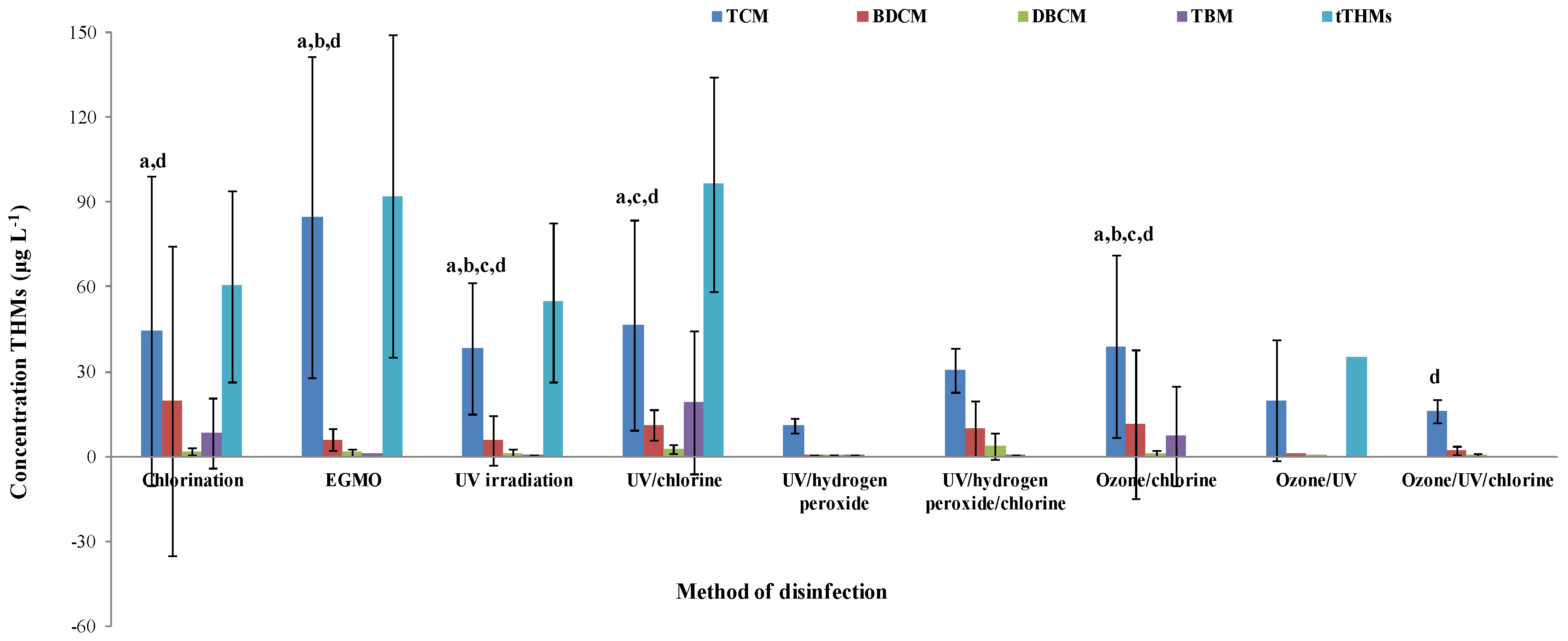
A seasonal calendar of maintenance tasks for self-cleaning plant zones (Source: MDPI)
Understanding Cost: Natural Filtration vs. Chemical Treatments
While traditional, chemically treated pools may have lower initial installation costs, natural filtration systems often prove to be more economical in the long run. Generally, natural pools can cost between $50 and $100 per square foot, whereas conventional chemical pools can start around $25,000.
However, the ongoing costs associated with natural pools tend to be lower, as they require minimal spending on chemicals. On average, maintaining a chemical pool can cost up to $1,050 annually, whereas natural pools reduce these costs significantly.
In addition to reduced chemical expenses, operational energy use in natural pools tends to be more efficient, providing additional savings over time.
A detailed chart comparing the costs of natural filtration systems to traditional chemical treatments.
Conclusion
Creating a self-cleaning plant zone in your pond is not just a practical endeavor; it also enhances the beauty of your garden while promoting ecological health. By utilizing natural filtration techniques, you can minimize the use of harmful chemicals and support wildlife. Understanding the types of plants that thrive in your environment, as well as adhering to guidelines on sizing, maintenance, and circulation, will ultimately lead to a clear and thriving aquatic space.
These strategies will help you enjoy not only a stunning garden but also the peace of mind that comes with a healthy pond ecosystem. Embrace the journey toward a sustainability-focused gardening approach and revel in the benefits of your self-cleaning plant zone!