Aquascaping is a creative art form that blends nature and design in aquariums. For both aquarium hobbyists and nature enthusiasts, it’s important to focus not only on aesthetics but also on maintaining the biological balance within your aquatic environment. By carefully selecting plants, employing sustainable practices, and avoiding common pitfalls, you can create a stunning aquascape that supports the health of its inhabitants. Whether you’re starting your first aquarium or looking to enhance your existing setups, this guide will help you navigate the essential aspects of aquascaping.
This comprehensive overview will explore various styles of aquascaping, the significance of selecting appropriate plants, sustainable techniques that have minimal environmental impact, and methods for creating functional ecosystems. We will also discuss maintenance strategies to ensure your aquascape thrives over time, as well as common mistakes to avoid.
Let’s dive into the world of aquascaping and discover how to create beautiful, balanced underwater landscapes.
Choosing the Right Plants for Your Pond
Selecting the right plants is fundamental to creating a harmonious aquascape. Begin by understanding the light and substrate needs of the plants you want to include, as some thrive in low-light settings while others require bright, direct light for optimal growth.
Opt for native plants when possible, as they typically adapt better to local conditions and support local wildlife. For example, Anubias and Java fern are popular choices for beginners due to their low-maintenance requirements.
When designing your aquascape, aim to incorporate both fast- and slow-growing species. Fast-growing plants can help reduce algae by competing for nutrients, while slow growers provide stability and structure to your setting. A diverse plant selection not only enhances visual interest but also contributes to a balanced ecosystem.
Consider the style you wish to achieve—be it nature-inspired, biotope-oriented, or minimalist. Using texture and shape will enhance both the aesthetic and functional integrity of your design.
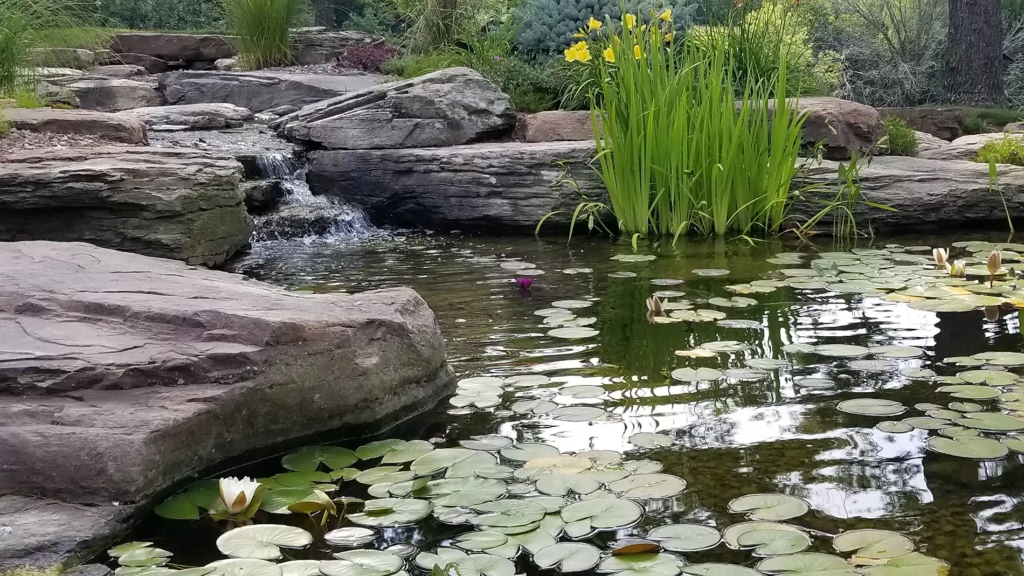
Variety of aquatic plants showcased in a serene pond setting (Source: Reflections Water Gardens)
Sustainable Practices for Eco-Friendly Aquascaping
In today’s world, sustainability is more crucial than ever in aquascaping. By adopting eco-friendly practices, you can beautify your aquarium while minimizing your impact on the environment. Start by utilizing low-energy filtration systems, which use less electricity while effectively maintaining water quality. Water recycling techniques can further reduce waste and preserve resources, making your setup more sustainable.
It’s also important to consider the materials you choose. Opt for natural substrates and driftwood instead of synthetic options. Not only will this improve the aesthetics, but it supports a healthier environment for your aquatic life.
Biodiversity should be a primary goal in your aquascaping efforts. A wide variety of plants and fish creates a more stable ecosystem, which is resilient to changes. By incorporating both native plant species and diverse aquatic organisms, you are promoting ecological balance.

Eco-friendly aquarium filtration setup (Source: Amazon)
Achieving Beauty and Function in Aquascaping
Creating an appealing aquascape requires a focus on both beauty and function. Designing with the natural behaviors of your fish in mind is essential. This means including hiding spots and grazing areas that allow for natural movement and interaction among your aquatic inhabitants.
Aim to create open swimming spaces interspersed with patches of denser plants. This encourages schooling behavior in fish while providing cover for shyer species. Furthermore, select plants that fulfill multiple roles, combining aesthetic appeal with functional features, for an optimized aquascape.
The placement of hardscape materials, such as rocks and driftwood, should be intentional as well. Thoughtful arrangements will not only create visual depth but also guide the viewer’s eye throughout the tank.

Diagram depicting a well-designed aquascape layout that balances aesthetics with functionality (Source: Irina Boyd)
Avoiding Common Pitfalls in Aquascaping
As you venture into aquascaping, it’s easy to make mistakes. One common error is not providing enough plant coverage during the initial setup. Experts suggest covering at least 70% of your tank with plants from the outset. This strategy helps to minimize algae growth and creates a competitive environment that encourages healthy plant development.
Another frequent mistake is overstocking your aquarium too quickly. Introduce fish gradually to allow your ecosystem time to stabilize.
Balancing lighting is also crucial; too little can stunt growth, while too much may result in algae blooms. Regular maintenance—such as changing water and monitoring tank conditions—is vital for long-term success. Many beginners underestimate the importance of these tasks, which can lead to unsatisfactory results.
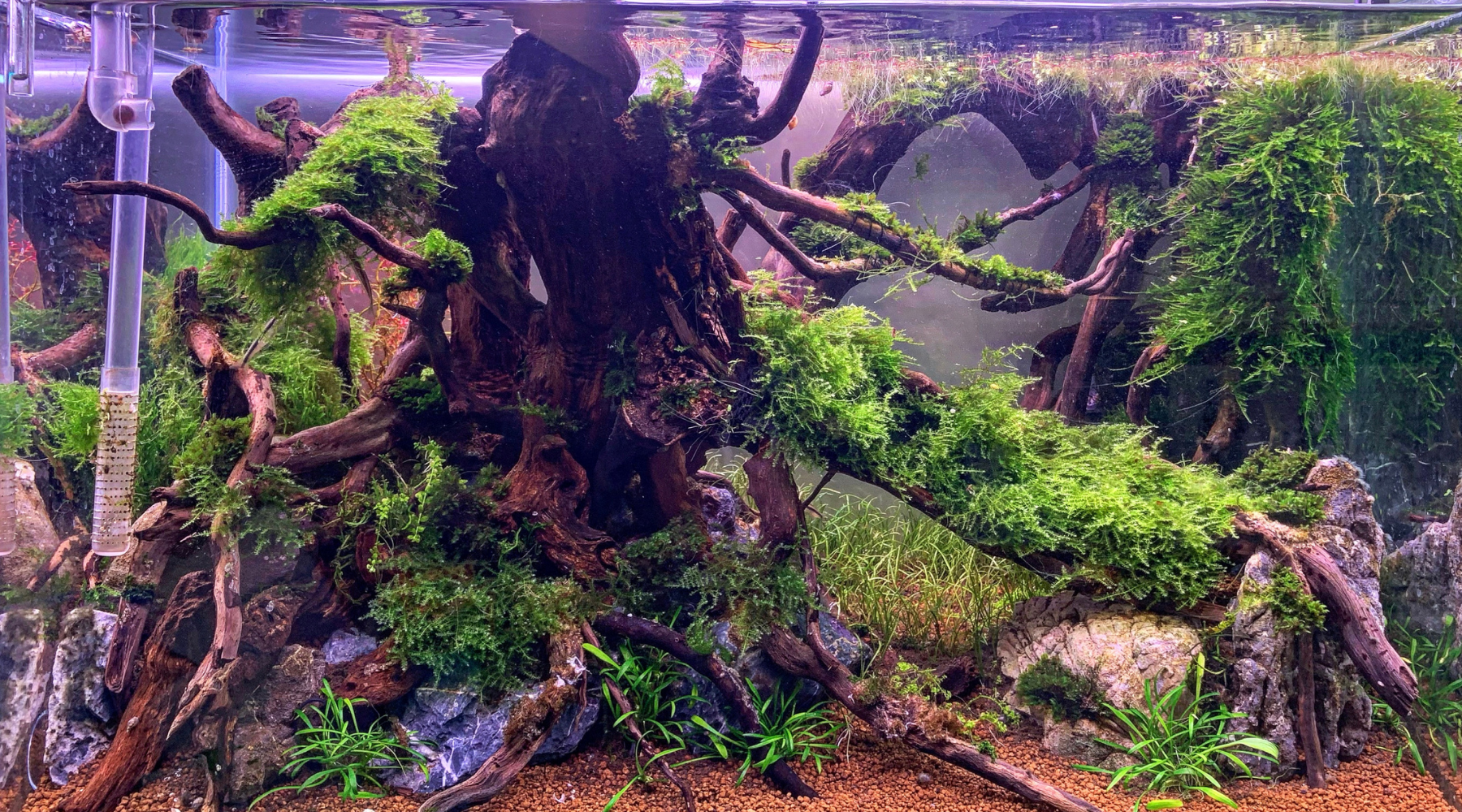
Illustrative image showcasing common aquascaping mistakes (Source: Garden Aquaria)
Strategies for Long-Term Maintenance of Your Aquascape
Once you’ve established your aquascape, maintenance is key to keeping it both beautiful and biologically balanced. Regular water changes should be your first priority, as this helps maintain water quality and minimizes waste buildup.
Understanding the pruning needs of your plants is essential; certain species require regular trimming to thrive and prevent overcrowding, which can block light from reaching lower plants.
Monitoring water quality is crucial as well. You should routinely test for changes in parameters like pH, ammonia, nitrate levels, and temperature to ensure optimal conditions for your aquatic life. Additionally, scheduling maintenance tasks will help you keep your aquarium pristine and flourishing.
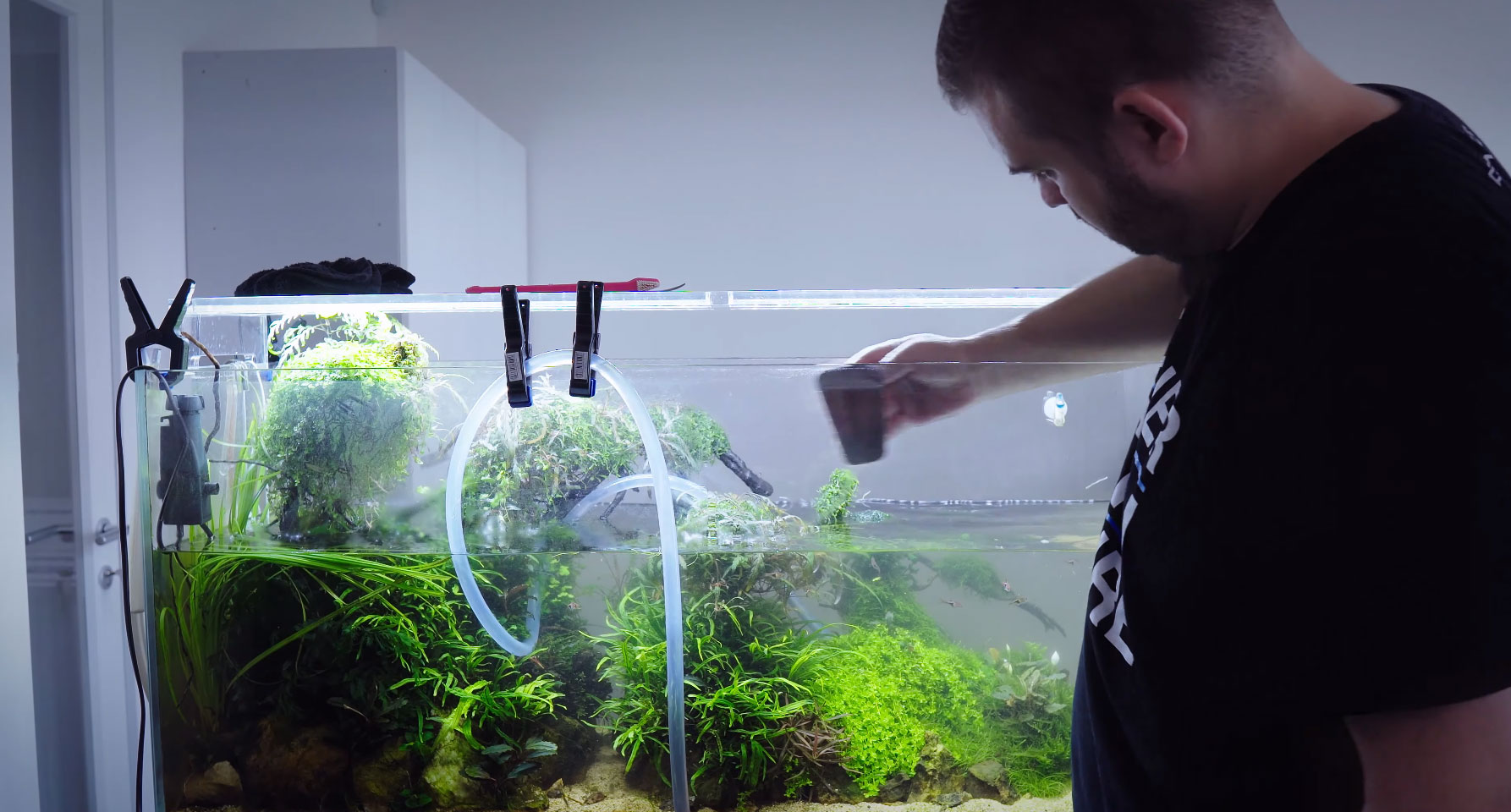
Image showing maintenance tasks being performed in an aquascape (Source: Amazonas Magazine)
Conclusion
Aquascaping is a rewarding fusion of artistic design and ecological stewardship. By concentrating on plant selection, sustainable practices, and ongoing maintenance, you can create vibrant underwater landscapes that are not only visually captivating but also promote healthy aquatic ecosystems.
Embrace the creativity involved in designing your aquascape while fostering a thriving habitat for its inhabitants. With patience, practice, and a willingness to learn, aquascaping becomes not just a hobby, but a meaningful connection to the natural world. Whether you are a novice or a seasoned aquarist, the insights and practices shared in this guide will help set you on a path to success in your aquascaping pursuits.