Maintaining a healthy pond is a year-round endeavor that requires your attention and care. Seasonal maintenance is essential not only for keeping your pond visually appealing but also for ensuring the health of the entire ecosystem. By understanding and following seasonal maintenance checklists, you can effectively manage your pond and avert potential problems before they arise.
The journey towards a thriving pond starts with a commitment to regular maintenance practices that address the unique needs of your pond as the seasons change. In this guide, you’ll find practical tips, the necessary tools, and techniques to make pond care easier. From the revitalization of spring to the chilling winds of winter, mastering your pond’s seasonal needs is crucial for creating a vibrant aquatic environment. Neglecting these seasonal tasks can lead to significant risks, including costly repairs and a decline in biodiversity.
Let’s explore the distinct tasks associated with each season to empower you to become an effective and confident pond keeper.
Spring Awakening How to Kickstart Your Pond’s Health
As winter fades, it’s time to awaken your pond from its dormancy and prepare it for the warmer months ahead. Several pivotal tasks should be completed in spring to ensure a smooth transition.
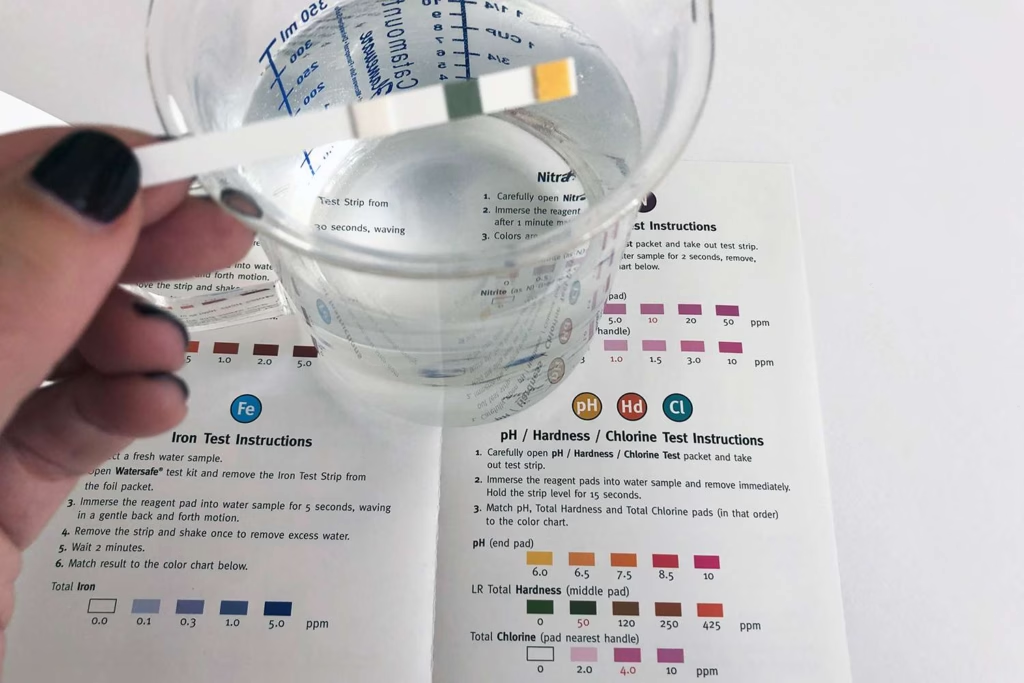
Start by removing accumulated debris and sludge; this buildup can harm water quality and affect fish health. Next, check and adjust crucial water parameters like pH, ammonia, nitrite, and nitrate levels. According to experts, performing these tests weekly during spring is essential for maintaining a balanced ecosystem.
Lastly, consider introducing beneficial bacteria to kickstart your pond’s biological filtration. These bacteria help break down organic matter, enhancing overall water quality. With life beginning to flourish in and around your pond, proper spring maintenance lays the groundwork for a vibrant aquatic setting.
Source: The Spruce
Sizzling Summer Strategies for Optimal Pond Care
Summer is beautiful, but it also brings unique challenges for pond care. Knowing how to maintain balance in your pond during this season is vital to preventing issues such as algae growth.
One effective strategy is controlling algae through both natural and chemical methods. Regularly remove any excess algae by skimming or using specific algicides designed for ponds. Additionally, maintaining oxygen levels is crucial, as warmer water can lead to lower oxygen saturation. Summer temperatures can increase evaporation rates by up to 30%, impacting water levels and overall ecosystem health.
To combat these issues, consider installing shade solutions such as floating plants or shade sails. These options can help reduce both water temperature and algae proliferation. By implementing these strategies, you can ensure your pond remains a healthy and enjoyable environment for fish and plants alike.

Source: Western Environmental Liner
Prepare Your Pond for a Peaceful Autumn Retreat
As autumn approaches, your pond requires special attention to prepare for winter. Start by focusing on removing debris, particularly fallen leaves. Leaves can decompose and release harmful nutrients that affect water quality.
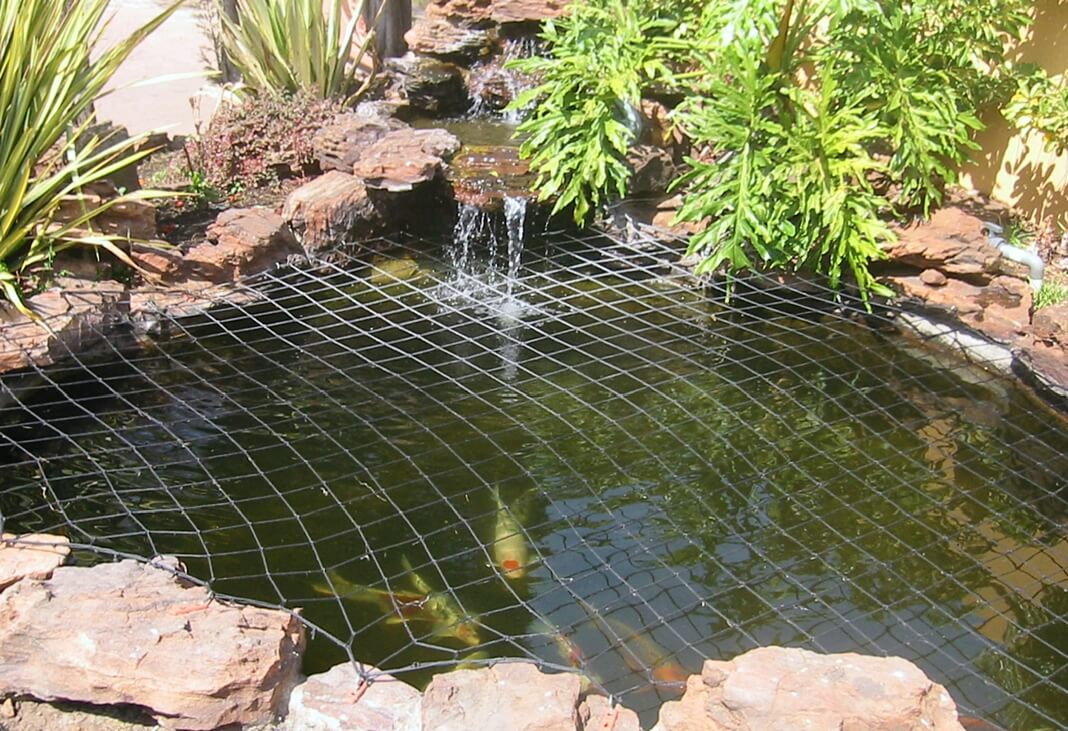
Consider using pond netting to facilitate leaf removal and maintain water quality. Additionally, assess and maintain your equipment—this is particularly important for pumps and filters—to ensure they are ready for the chillier months ahead. Taking these preventive measures during fall can save you time and resources during winter maintenance.
By prioritizing these tasks now, you’ll set your pond up for a healthy and obstacle-free transition into winter, preserving both its health and aesthetic appeal.
Source: Katchakid
Winter Care Protecting Your Pond Against the Elements
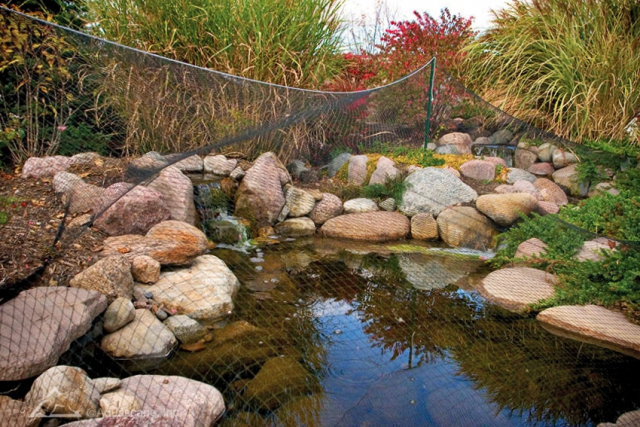
Winter presents unique challenges, and understanding how to safeguard your pond is vital for its survival. Begin by using de-icers to maintain an opening in the ice, which is essential for gas exchange. This step helps to prevent toxic gas buildup under the ice, ensuring a healthy environment for your aquatic life.
In addition, it’s important to monitor oxygen levels as winter progresses. Fish metabolism slows down, which means they require less food, but make sure to provide them with appropriate winter fish food to sustain their health. You can also introduce cold-water beneficial bacteria to help maintain nutrients and moisture levels during the colder months.
By taking these winter preparedness measures, you’re not just protecting the inhabitants of your pond but also preserving its ecological balance for the warmer seasons ahead.
Source: Aquascape
Technologies Transforming Pond Care Tools You Can’t Ignore
Advancements in technology have made pond care easier and more efficient for both DIY enthusiasts and professionals. One essential innovation is the automated monitoring system, which allows you to assess vital water quality parameters in real time.
For instance, systems like the Seneye Pond Monitoring System provide alerts on pH, ammonia, and temperature fluctuations before they become problematic. In addition, energy-efficient pumps and aeration systems have gained popularity, not only reducing energy costs but also improving the overall sustainability of your pond care.
Incorporating these modern solutions into your routine can save you time and effort while ensuring your pond remains in optimal condition throughout the seasons.

Source: ResearchGate
The Cost of Neglect Understanding Regular Maintenance vs. Major Repairs
Understanding the financial implications of regular pond maintenance is crucial for every pond owner. The average annual maintenance costs range from $810 to $2,625, but these measures can prevent major expenditures later. For instance, draining and refilling a pond can cost significantly more, typically ranging from $1,400 to $2,600 per project.
Regular maintenance helps you deal with minor issues promptly, preventing larger, costlier problems from arising. Beyond just savings, maintaining a healthy pond ecosystem can also increase property value.
By investing time and resources into your pond’s upkeep, you set yourself up for long-term financial and ecological benefits.

Source: HomeGuide
Conclusion Take the First Step Toward a Sustainable and Beautiful Pond
Adopting a seasonal maintenance routine for your pond is an ongoing commitment that pays off significantly. By following the tasks outlined in this guide, you contribute to a thriving aquatic ecosystem. Not only will you witness the beauty and joy of your pond, but you will also ensure the wellbeing of the diverse life that calls it home.
As you integrate these practices into your routine, you will find satisfaction in creating a beautiful outdoor space that enhances your property. Remember that numerous resources are available to assist you, whether through local pond clubs, online forums, or informational guides.
Taking these proactive steps will position your pond as a lush and sustainable oasis, providing enjoyment for you and your family for years to come.