
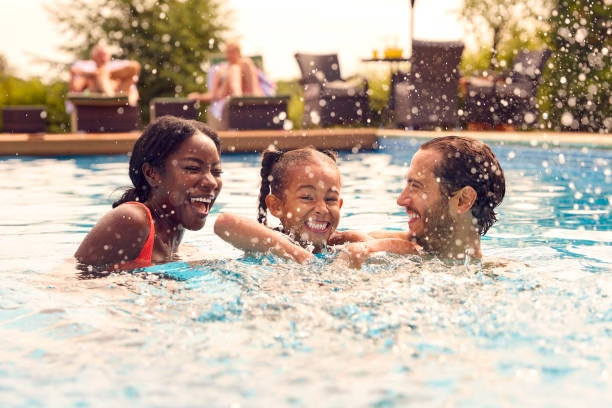
Creating a swim pond in your backyard can be an exciting journey for you and your family. Not only does it provide a unique recreational space, but it also serves as a fascinating educational environment for your children to learn about aquatic ecosystems. However, safety must be your top priority, especially if you have young ones. This guide includes essential information to help you design a swim pond that balances fun and security, covering key features, materials, regulations, and maintenance best practices.
Why Invest in a Family-Friendly Swim Pond?
Investing in a swim pond brings numerous benefits that cater to both recreation and environmental mindfulness. Primarily, these ponds offer a distinctive recreational area, encouraging outdoor play and strengthening family bonds. Imagine your children swimming, playing games, and exploring nature right in your own backyard.
From an environmental standpoint, swim ponds foster natural biodiversity while requiring less maintenance compared to traditional pools. Research shows that natural swim ponds significantly reduce chemical usage, relying instead on plants and microorganisms to maintain water quality. Additionally, they create a healthier ecosystem that attracts local wildlife, enhancing your family’s connection with nature.
While the initial costs for constructing a swim pond can be higher, long-term savings from reduced maintenance and chemical expenses often make this option more economical over time.
Image of a family enjoying a swim pond (Source: iStock)
Essential Safety Features for Kid-Friendly Swim Ponds
Safety is non-negotiable when designing a swim pond. One of the first areas to consider is fencing. Many states require a fence around residential ponds, particularly if they are deep or expansive. Typically, a fence must be at least 4 feet tall and equipped with self-closing gates.
Another critical safety aspect is regulating water depth. Ideally, your swim pond should have a gradual slope of about 4:1, allowing children to acclimate to the water safely. Additionally, creating designated shallow play areas can help ensure young swimmers can enjoy themselves without risking deep-water encounters.
It’s also advisable to equip the area with lifesaving equipment like rings or buoys and to post clear “No Swimming” signage as needed. Remember to regularly inspect these safety features to ensure they comply with the latest regulations.

Diagram comparing recommended and non-recommended fencing designs (Source: Pinterest)
Designing for Fun Without Compromising Safety
Balancing fun with safety in your swim pond design is achievable with thoughtful planning. Start by incorporating gradual entry points that resemble small beaches, helping children walk into the water comfortably and build their confidence.
Next, include educational signage that communicates water safety using bright colors and simple language to engage young minds. Consider adding interactive elements, such as pressure-sensitive tiles that buzz or light up when stepped on, to remind kids to remain cautious near the water.
Designing clear markers that separate shallow and deeper areas can further assist children in understanding their swimming environment, enhancing safety during play.

Illustration of a swim pond layout (Source: Googleusercontent)
Choosing the Right Materials for Child-Safe Pond Construction
Selecting appropriate materials is critical for ensuring safety and durability in your swim pond. For the pond’s surface, use smooth liners to prevent cuts and scrapes, steering clear of raw rocks. Natural stone and gravel substrates promote beneficial bacteria that enhance water quality.
When it comes to aquatic plants, choose varieties that thrive in your climate. These plants will help with natural filtration while providing enriching ecosystems for children to explore.
Additionally, ensure all materials are durable and environmentally friendly to minimize the ecological impact of your swim pond. The right material choices contribute to both child safety and a thriving aquatic ecosystem, making your pond a safe and enjoyable environment.

Infographic detailing materials used in swim ponds (Source: CTF Assets)
Innovative Filtration Systems for Safe and Eco-Friendly Waters
Natural filtration systems are vital for keeping the water in your swim pond clean and safe. Current innovations, like biofilter technology that combines mechanical and biological filtration, have transformed swim pond design. Underground biofilters maintain aesthetics while effectively improving water health.
Incorporating plant-based filtration systems can further enhance the water quality. Aquatic plants not only filter pollutants but enrich the ecosystem, creating a balanced habitat.
Smart technology also adds significant benefits. With devices that monitor water quality and chemical levels through a smartphone app, you can ensure the ecosystem remains healthy with minimal manual intervention.
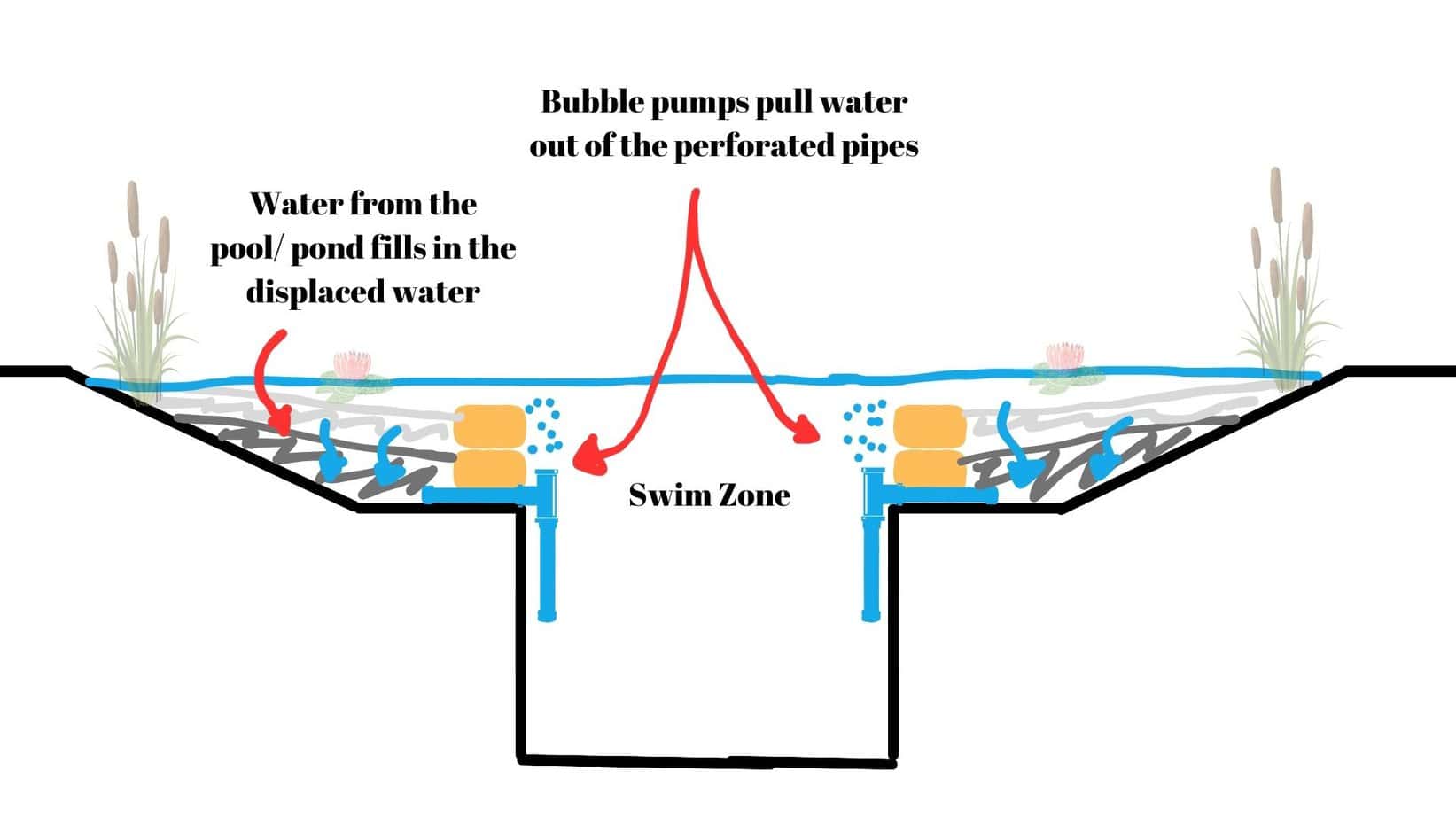
Visual representation of an innovative organic pool filtration system (Source: Oz Ponds)
Local Regulations and Compliance for Your Swim Pond Design
Before you build your swim pond, familiarize yourself with local regulations. These can vary widely by location, encompassing requirements for fencing and pond depth. Generally, ponds deeper than 3 feet may require additional safety features.
Environmental assessments are essential for larger ponds. Consulting local authorities or specialists ensures your design complies with all applicable laws.
As a good practice, stay updated on emerging trends in regulations, as they may evolve over time. Being informed is key to compliance and ensuring the safety of your swim pond.
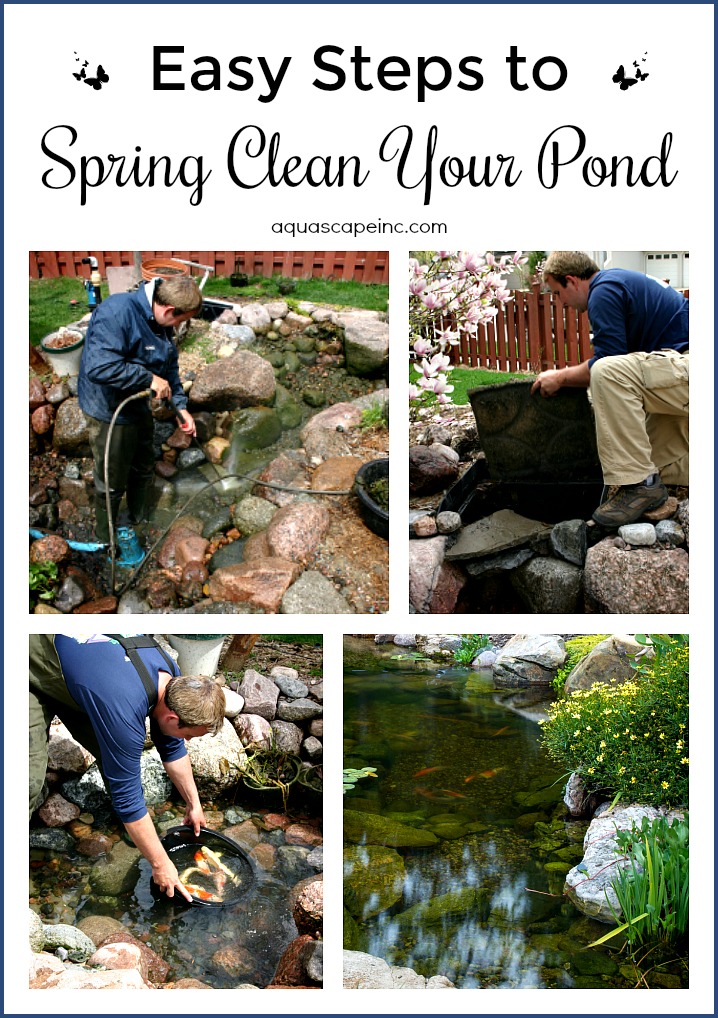
Flowchart demonstrating compliance steps for swim ponds (Source: Aquascape)
Real-Life Examples of Safe Swim Pond Designs
Seeing successful implementations of swim ponds can inspire your design process. Many families have created backyard swim ponds that serve not just recreational purposes but also comply with safety standards.
Look for case studies that showcase features such as safety barriers and designated shallow areas, enhancing both fun and security. Speaking with these families can provide valuable insights and help guide your decisions.
Listening to expert opinions may also refine your design, allowing you to create a swim pond that meets all your family’s needs while prioritizing safety.

Close-up image of a successful backyard pond (Source: Amen Corner Ponds)
Long-Term Maintenance and Safety Practices for Your Swim Pond
To maintain your swim pond, conduct regular checks of water quality and filtration systems. Seasonal vegetation management not only maintains aesthetic appeal but also improves the health of the pond’s ecosystem.
Additionally, establish specific supervision guidelines, especially for households with young children. Regular evaluations of safety features ensure they remain effective and that the pond remains a safe and enjoyable space.
Incorporating education about proper care and attentiveness around the pond will enhance overall safety and foster a sense of responsibility and environmental stewardship among children.

Image depicting seasonal maintenance tasks for swim ponds (Source: Turtle Swimming Ponds)
Conclusion
Designing a safe swim pond for your family can provide recreational enjoyment, educational opportunities, and environmental benefits. By prioritizing safety features, selecting appropriate materials, and staying informed about local regulations, you can create an inviting aquatic environment. Consider innovative designs that engage your children while teaching them the importance of water safety.
In the long run, a well-planned swim pond can become a cherished space for family recreation and connection to nature. Although initial costs may seem high, the financial benefits of having a natural swim pond can outweigh the expenses over time. Remember that safety is not merely a requirement—it is a crucial component in creating a space where your family can thrive and enjoy every moment by the water.