

Extending the swimming season through natural methods using thermal mass can significantly enhance the experience for pool owners while promoting environmentally friendly practices. Thermal mass refers to materials that can absorb, store, and release heat, helping maintain stable water temperatures even as outdoor temperatures fluctuate. By incorporating effective thermal mass techniques, pool owners can reduce their reliance on traditional heating methods, resulting in monetary savings and a reduced environmental footprint. This article presents the benefits of thermal mass in residential swimming pools, outlines successful practices, and highlights associated challenges.
Research from the U.S. Department of Energy indicates that employing heat pumps for pool heating can yield annual savings of approximately $400 compared to conventional heating options. This serves as a financial benchmark for the advantages of adapting eco-friendly practices in pool maintenance and usage.
Why Extend Your Swimming Season Naturally?
The motivation to prolong swimming seasons has inspired many pool owners to explore natural solutions for maintaining water temperatures. Utilizing thermal mass principles allows pools to retain heat more efficiently. Key benefits include enhanced enjoyment, reduced dependency on gas or electric heaters, and a smaller carbon footprint.
Understanding the concept of thermal mass is crucial. Materials such as concrete and stone possess high thermal capacities that enable them to absorb sunlight and store heat during the day, subsequently releasing it during cooler evenings. Adopting these natural alternatives not only benefits the environment but also contributes positively to the aesthetics and functionality of the pool area. When correctly implemented, it is possible to extend swimming seasons without excessive energy consumption.
An infographic detailing the benefits of extending swimming seasons through thermal mass (Source: Piktochart)
The Aesthetics of Natural Stone in Your Pool Area
Incorporating natural stone in pool designs can greatly enhance visual appeal while simultaneously increasing energy efficiency through thermal mass. Using materials like flagstone or slate around the pool area provides not only an attractive aesthetic but also improves heat retention.
Natural stone complements landscaping and promotes ecological harmony. Key considerations for choosing stones include thermal properties, color, and texture, which can significantly affect heat absorption and the overall appearance of the property. Strategic placement of these materials can maximize sun exposure and minimize nighttime heat loss.
Research shows a growing preference for natural materials in landscaping, indicating that homeowners increasingly value aesthetics alongside functionality.

Image of a beautifully landscaped pool featuring natural stone (Source: World of Stones)
Cost Savings with Eco-Friendly Heating Solutions
The use of thermal mass can lead to notable cost savings for pool owners. A detailed analysis reveals that while initial investments in thermal mass systems may be significant, long-term savings can offset these costs. For example, solar heating systems that integrate with thermal mass principles have demonstrated substantial lifecycle cost benefits, with projected savings estimated at $43,912 over a thirty-year period for non-residential installations in California.
Operational savings can also be realized through enhanced efficiency. Research indicates that pools with thermal mass features reduce reliance on traditional heating methods, contributing to decreased annual heating costs that vary according to climate and pool utilization. In warmer locations, this can translate into direct financial benefits through lower heating expenses.

A bar graph illustrating cost savings associated with various heating methods (Source: Springer Nature)
Measuring the Effectiveness of Your Thermal Mass Setup
Assessing the effectiveness of thermal mass setups involves specific tools and methodologies to ensure optimal thermal performance. Instruments such as temperature sensors and thermal cameras can evaluate heat retention and distribution within pool environments.
Best practices for measurement include adjusting design elements based on feedback, such as ensuring adequate sunlight exposure and minimizing shadowing from surrounding structures. Utilizing pool covers can also enhance efficiency; they help preserve heat overnight, improving the efficacy of thermal mass setups. Research has shown that pools utilizing substantial thermal mass configurations yield greater energy savings, underscoring the importance of effective measurement.

A visual representation of temperature measurement tools suitable for assessing pool temperatures (Source: Amazon)
Eco-Friendly Pool Heating Options to Consider
Innovations in eco-friendly heating technologies further enhance the effectiveness of thermal mass in residential pools. The incorporation of phase-change materials (PCMs) is a notable advancement; these materials are capable of absorbing and retaining excess heat, then releasing it when air temperatures drop, thus optimizing energy usage.
Smart technologies, including program-controlled pumps and automated systems, can complement the natural heat retention qualities of thermal mass. Such systems actively monitor temperature and adjust accordingly, maintaining optimal conditions with minimal energy waste. Additionally, employing solar panels provides a means to utilize renewable energy that complements existing heating practices.

Overview of phase change materials used to enhance pool heating efficiency (Source: HeatWater)
Smart Integration: Linking Thermal Mass with Smart Pool Management
Contemporary pool systems increasingly leverage smart integration to optimize heating and energy usage. Cutting-edge technologies utilize artificial intelligence to analyze data and predict swimming patterns, ensuring efficient heat utilization while reducing peak energy consumption.
For instance, smart pool covers featuring automated capabilities can enhance thermal retention through real-time adjustments based on changing weather conditions. This interconnectedness denotes a shift towards more responsive and sustainable practices, facilitating efficient heating and prolonging the usability of residential pools throughout varying seasons.
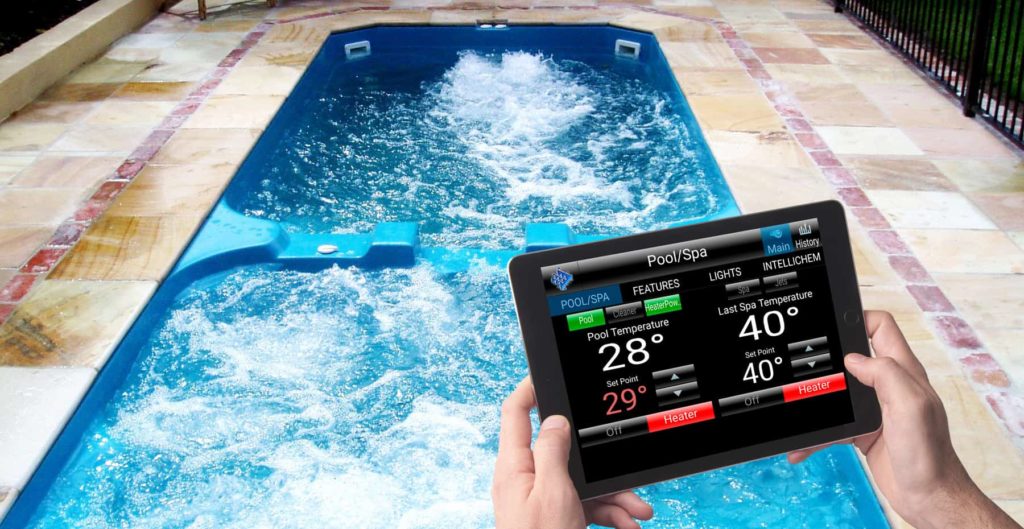
An image showcasing the interface of smart technology systems for pool automation (Source: Southern Poolscapes)
Homeowners’ Guide to Regulatory Considerations
Awareness of local regulations concerning energy-efficient pool heating is essential. In states like California, stringent energy codes encourage eco-friendly practices and often offer incentives for homeowners to incorporate thermal mass techniques into their pool designs. Regulations may necessitate specific configurations that enhance usability while retaining efficiency.
Homeowners must remain informed about relevant statutes impacting design and material choices. These regulations often mandate solar heating systems for new constructions and require effective integration of thermal mass to meet efficiency standards, ensuring that both ecological and aesthetic considerations align.

A visual representation of regulatory frameworks impacting pool heating practices (Source: Federal Register)
Conclusion
Utilizing thermal mass for extended swimming seasons not only prolongs enjoyment but also offers a variety of economic and environmental benefits for eco-conscious pool owners. By understanding the principles of thermal mass and implementing innovative technologies, homeowners can create sustainable recreational environments that enhance the quality of life. Continued exploration of emerging technologies and adherence to regulatory considerations will enable stakeholders to maximize efficiency while minimizing their ecological footprint. As the interest in sustainable living continues to grow, leveraging thermal mass in pool design will remain a critical component of responsible recreational practices.