
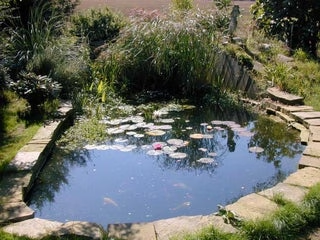
Why Zero-Effluent Ponds Matter for Eco-Conscious Homeowners
Zero-effluent ponds are increasingly relevant as homeowners seek practical methods to conserve water and protect the environment. These innovative systems utilize greywater — wastewater from sinks, showers, and washing machines — to create a sustainable lagoon design that recycles water while enriching the local ecosystem.
As you consider adopting a zero-effluent pond, it’s helpful to know that these systems can significantly lower your household’s water consumption. Research indicates that implementation can reduce water withdrawals by approximately 18%. They are also particularly cost-effective for families generating over 130 m³ of greywater per year, which translates into tangible savings on your water bill.
Sustainable gardening practices, such as integrating a zero-effluent pond system, allow you to embrace eco-friendly living while contributing to water conservation. This multifaceted approach not only enhances the resilience of your garden but also supports a healthier local environment. Ultimately, adopting zero-effluent ponds can yield substantial financial and ecological benefits, making this a pragmatic choice for both your household and the planet.
Zero-effluent pond integrated into a residential garden, exemplifying sustainable water management (Source: Instructables)
Recycling Greywater Safely Practical Steps for Homeowners
To successfully recycle greywater, it’s essential to grasp its definition and sources. Greywater typically refers to wastewater generated from sinks, bathtubs, and washing machines. With proper treatment, you can reuse this water effectively.
To begin, install a collection system specifically designed for directing greywater to your pond. Regularly monitor the quality of this water to ensure any contaminants are addressed. It is crucial to prevent contamination, which means avoiding the inclusion of toilet water (blackwater) in your collection and detailing hygiene standards in your collection procedures.
A vertical wetland system can facilitate the safe treatment of greywater. This type of system not only aids in filtering the greywater but also contributes to the biological diversity your pond needs to flourish. By ensuring clean water is returned to your garden, you not only keep your plants healthy but also enhance their growth potential.
Diagram illustrating a greywater treatment procedure, highlighting the steps for safe greywater recycling (Source: ResearchGate)
Water-Wise Gardening How Greywater Reduces Waste
Incorporating greywater into your gardening techniques can significantly minimize water waste and maximize the utility of every drop. Understanding the natural water cycle in your garden is the first step towards effective water management. Notably, recycling greywater can cut your household’s water consumption by up to 50%, facilitating a water-wise garden that thrives during dry periods.
To effectively integrate greywater, consider implementing rainwater harvesting techniques, using native and drought-resistant plants, and employing drip irrigation systems. These strategies work well in conjunction with a zero-effluent pond system to reduce not only your reliance on municipal water but also your overall water expenses.
While the initial investment in a zero-effluent pond system may seem significant, the long-term savings on water bills and the reduction in dependence on external water sources make it an attractive option for many homeowners. With a proper strategy, water conservation can become a seamless part of your gardening routine.

Infographic detailing the water savings from integrating greywater systems into garden practices (Source: Imgur)
Choosing the Right Plants for Your Greywater Pond
Choosing the right plants for your zero-effluent pond enhances its ecosystem while playing a vital role in filtering greywater. Ideally, these plants should thrive in wet conditions and adapt well to local climates, further improving water quality through natural processes.
Effective aquatic plants include Eichhornia crassipes, known as water hyacinth, and Lemna, commonly referred to as duckweed. These plants can significantly reduce nitrogen and other contaminants in greywater. Additionally, emergent plants such as Typha latifolia (bulrush) and Phragmites australis (common reed) add to the pond’s filtration capacity.
These plants not only improve water quality but also provide habitats for wildlife and contribute to biodiversity. A healthy mixture of aquatic life and vegetation increases the overall liveliness of your garden, establishing a sustainable environment that benefits both your plants and the local fauna.
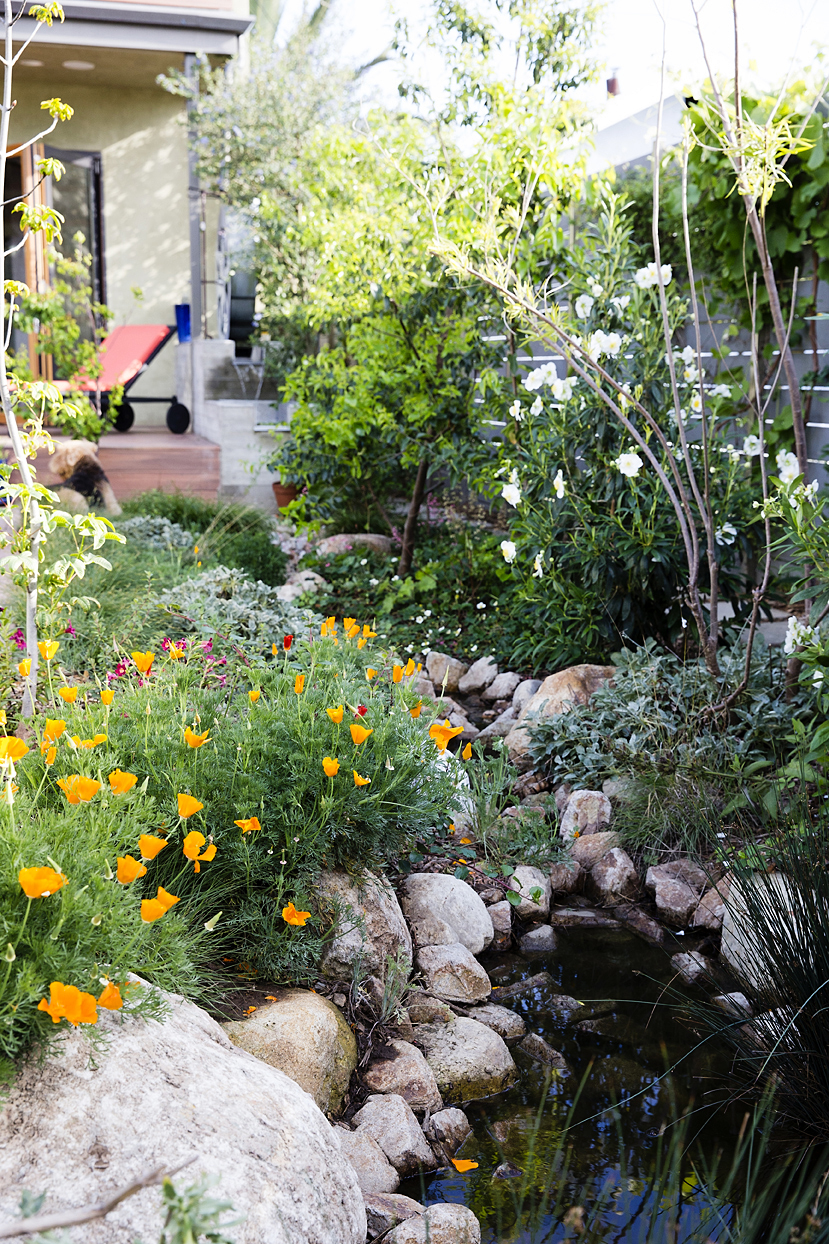
A photograph of aquatic plants thriving in a greywater pond setting, showcasing suitable plant life for filtration (Source: Sunset)
Is It Safe Understanding Greywater’s Impact on Wildlife and Ecosystems
While the benefits of using greywater are extensive, it’s essential to consider its ecological impact. You might be asking how safe it is to use treated greywater, and addressing potential risks to local wildlife and ecosystems is crucial for long-term sustainability.
Untreated greywater can contain pathogens and harmful chemicals if not properly managed. Therefore, investing in a solid treatment system like a zero-effluent pond is vital, as these systems effectively reduce pathogens and improve water quality. Routine monitoring is necessary to ensure safe levels of contaminants and protect both your garden and the surrounding ecosystem.
Incorporating treated greywater into your gardening and irrigation practices can dramatically lessen your environmental footprint. Responsible use not only contributes to water conservation but also supports local biodiversity by fostering a more integrated and nutritious habitat for native flora and fauna.
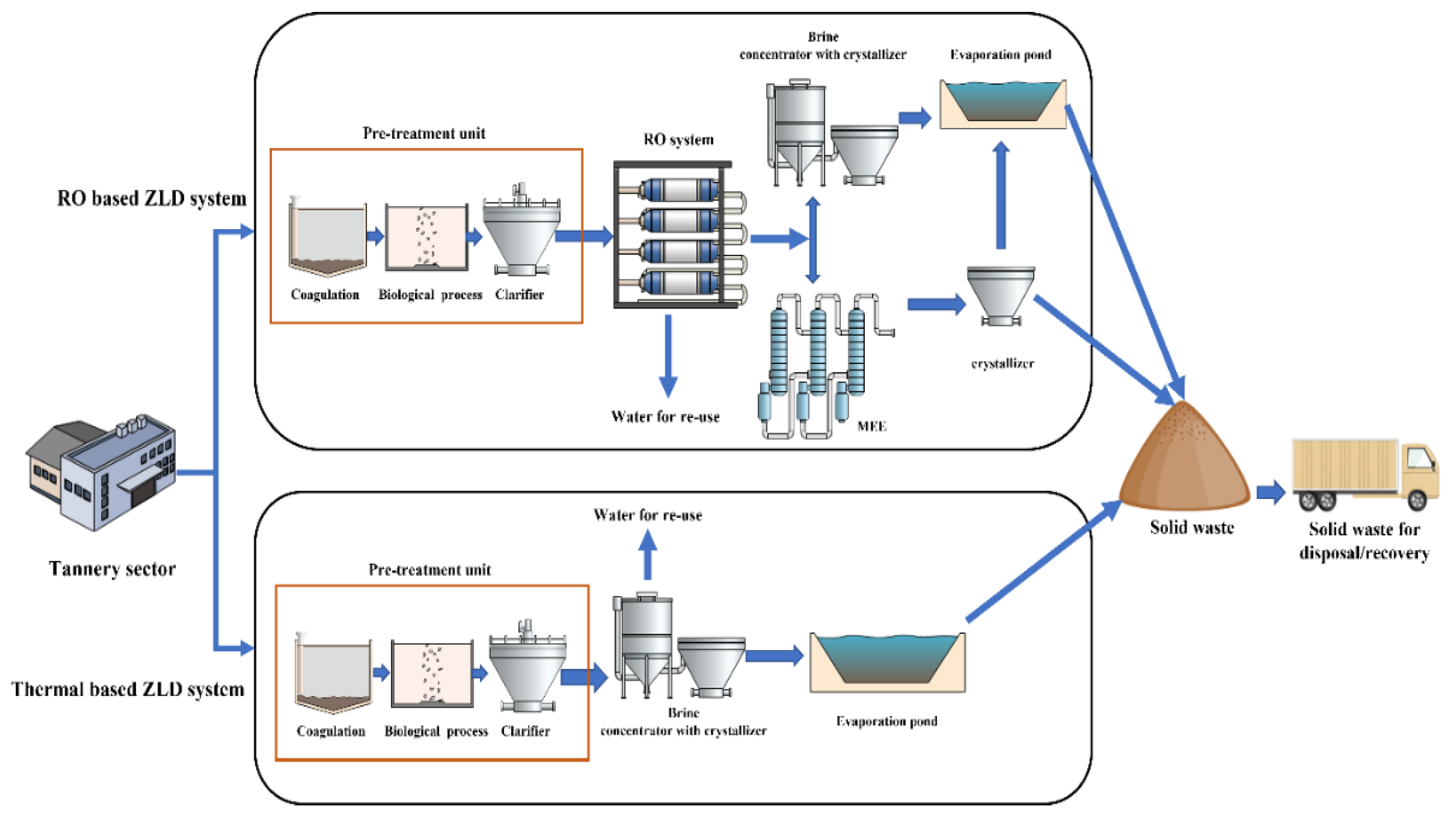
Diagram showing wildlife interacting within a greywater treatment ecosystem, emphasizing the environmental implications (Source: MDPI)
The Cost-Benefit Analysis Zero-Effluent Ponds vs Traditional Systems
When considering a zero-effluent pond, understanding the cost-benefit analysis compared to traditional greywater systems can inform your decision-making process. Typically, initiating a zero-effluent pond setup costs between $1,500 and $2,500 for residential applications that can effectively treat approximately 2.1 m³ per day.
From a long-term perspective, maintenance costs for a zero-effluent system run around $150 per year, significantly lower than the $430 typically spent on traditional systems. Notably, for most households, the cost-effectiveness of zero-effluent systems becomes clear after recycling just 165 liters of greywater daily.
Such a comparative analysis not only highlights the financial advantages of zero-effluent ponds over traditional systems but also underscores the practical benefits of establishing the right system for your home. Consequently, this approach secures a healthy garden while promoting sustainable living.
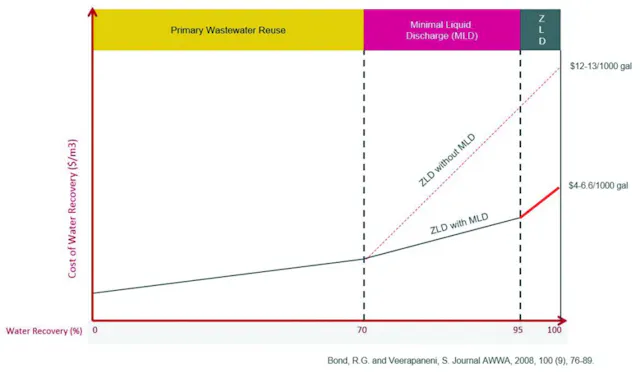
A cost comparison chart illustrating the financial benefits of zero-effluent ponds versus traditional systems (Source: Water Technology)
Future-Proofing Your Garden Long-Term Environmental Benefits
Establishing a zero-effluent pond can go a long way in ensuring substantial long-term environmental benefits, especially in urban areas. These systems can alleviate strain on local water sources while promoting sustainable water retention. Studies have shown that zero-effluent ponds can reduce urban water withdrawals by up to 18%.
Additionally, by preventing contaminants from entering local waterways, these ponds significantly decrease the risk of eutrophication, a phenomenon that threatens aquatic ecosystems. They foster biodiversity, support wildlife habitats, and create an eco-friendly oasis contributing to a greener urban landscape.
Incorporating zero-effluent ponds not only enhances community forestry efforts but also establishes greener, more resilient neighborhoods, encouraging responsible water management practices.

Schematic diagram of urban water systems incorporating greywater recycling, showcasing environmental impact (Source: Squarespace)
Conclusions Taking the Next Step Towards Sustainable Living
In summary, zero-effluent ponds offer a practical approach to sustainable living and water conservation for eco-conscious homeowners and gardeners. By recycling greywater and understanding the various applications in garden ecosystems, you can make a real impact on local wildlife and your household budget.
The benefits of properly integrating these systems into your gardening practices are numerous, from enhancing biodiversity to achieving significant reductions in water usage. Therefore, as you embrace these sustainable practices, you not only improve your garden but you also contribute to a larger community effort aimed at protecting our essential water resources.
Now is the perfect time to take action. Consider incorporating a zero-effluent pond into your garden and join the movement towards a more sustainable future. Engaging with your community in promoting conscious water conservation practices can amplify the positive impacts, contributing not only to a thriving garden for yourself but to a healthier environment for everyone.
This guide provides a comprehensive overview and practical insights into establishing and maintaining zero-effluent ponds while showcasing their considerable advantages for eco-conscious living. Embrace this opportunity to cultivate a more sustainable and resilient garden!