Creating a mini-pond offers you a small oasis—a refreshing splash zone that fits snugly into your limited space. Imagine relaxing in your outdoor area, enjoying the soothing sound of water, and adding a unique touch to your property. In less than 100 square feet, you can build your own natural swimming pond that not only serves as a beautiful focal point but also provides ecological benefits. This guide will show you how to design and install your mini-pond, utilize creative space-saving techniques like vertical gardens, and highlight maintenance practices to keep your pond thriving throughout the seasons.
You will also learn how to comply with local zoning laws, choose the right filtration systems, and integrate design elements that maximize the appeal of your pond. From understanding evaporation rates to crafting optical illusions that enhance your yard’s perception of space, this guide is tailored specifically for urban living.
Let’s take the plunge and create your personal swim zone!
Can You Really Have a Pond in Less Than 100 sq ft?
Mini-ponds, commonly referred to as natural swimming ponds, are designed for compact spaces, making them ideal for urban settings. These ponds can be as small as 100 square feet or even smaller while still providing the charm and utility of larger water features. The beauty of mini-ponds lies in their versatility; they can accommodate swimming, fish, or simply serve as a peaceful water garden.
The advantages of mini-ponds in urban living are numerous. They not only enhance the aesthetic appeal of your property but also support local wildlife and contribute to biodiversity. With thoughtful design, you can include flowing water, native plants, and inviting seating areas without overwhelming your yard’s limited space.
When planning your mini-pond, be sure to consider local zoning laws, as most areas treat natural swimming ponds similarly to traditional pools. For context, installation costs for a 30′ x 20′ mini-pond generally range between $60,000 and $80,000, depending on features and materials. Ensure you familiarize yourself with the necessary permits and guidelines before beginning your project.
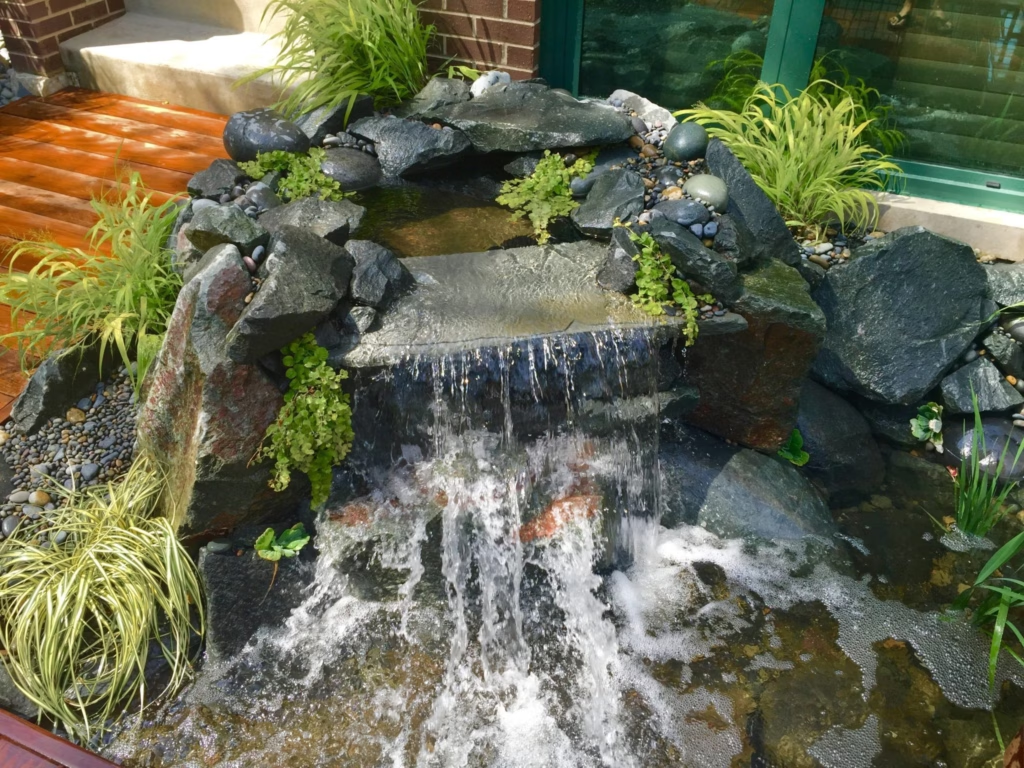
Description: A well-designed mini-pond in a compact urban setting that showcases how to integrate a pond into a small space. (Source: Botanical Concepts)
What Designs Work Best in Limited Spaces?
When it comes to designing your mini-pond, certain styles and layouts work effectively within limited space. Vertical design can save valuable ground area while creating an attractive, lush environment. By integrating your mini-pond with existing landscaping, you can create a seamless flow from the garden to the pond, making it a natural extension of your outdoor living area.
Consider layering plants by height, placing taller species in the back and shorter ones in the front. This design principle not only maximizes visual appeal but also encourages biodiversity. Furthermore, a well-placed pond can facilitate natural drainage and enhance your yard’s overall health.
It’s also important to remember that setback requirements differ by locality, typically ranging from 5 to 25 feet. Recent trends indicate a growing acceptance of eco-friendly regulations for natural swimming ponds, demonstrating that sustainability and aesthetic beauty go hand in hand.

Description: A vertical garden adjacent to a small pond, illustrating effective use of limited space with greenery and water features. (Source: Milkwood)
Enhance Your Mini-Pond Appeal with Vertical Gardens
Incorporating vertical gardens into your mini-pond design not only enhances its visual appeal but also optimizes the use of space. These vertical landscapes can function as living walls, allowing you to significantly increase the greenery in your yard without occupying a large footprint.
Choosing the right plants can lead to vibrant, low-maintenance options that thrive in minimal soil. Consider integrating ferns, climbing ivy, or even herbs in pots attached to trellises. These selections not only provide texture and color but also attract beneficial species such as butterflies and bees.
Vertical gardens can also assist in reducing evaporation rates in your pond. Research indicates that well-planned plant arrangements filter water and enhance ecosystem balance, contributing to a healthier aquatic environment for both you and the wildlife that visit.
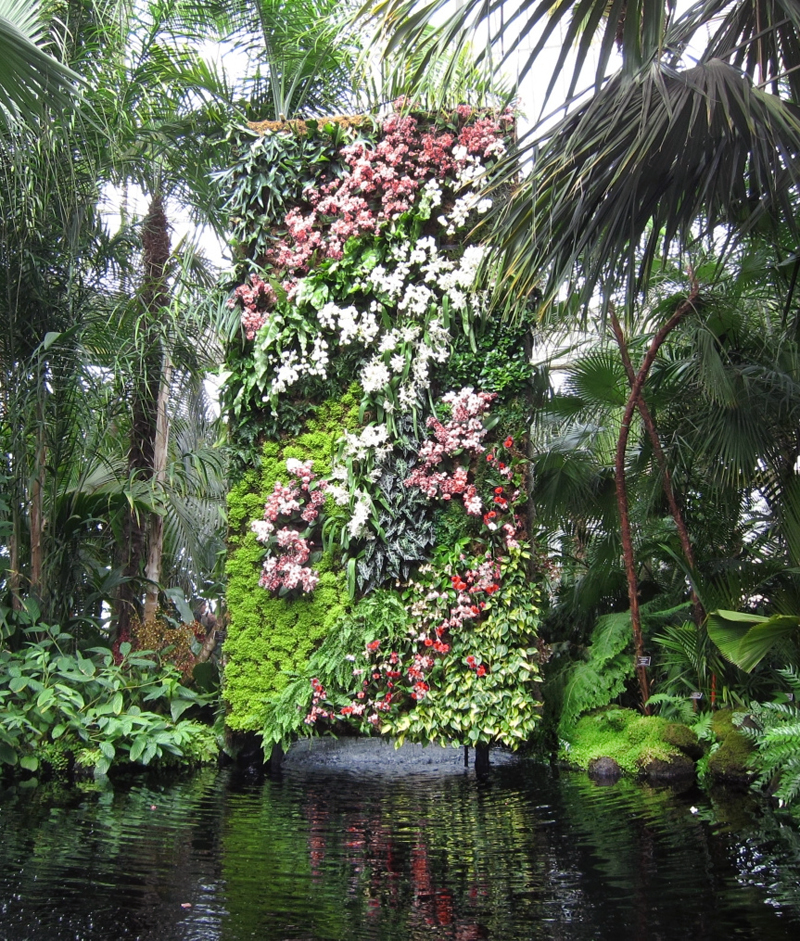
Description: A vibrant vertical garden next to a mini-pond, emphasizing aesthetic and ecological benefits. (Source: Julie Kinnear)
Optical Illusions to Make Your Space Feel Larger
Using clever design techniques can enhance your small outdoor area and create the illusion of a bigger yard. By strategically placing elements like mirrors or reflective surfaces, you can create visual depth and make your space appear expansive.
In addition, utilizing bold colors or varied textures helps focus attention on specific areas of your garden, drawing the eye outward. When selecting plants, choose varieties that provide visual interest through contrasting shapes and colors to further enhance the perception of depth.
Research shows that arranging plants and pathways in a manner that flows seamlessly with the pond creates a sense of continuity, making your outdoor space feel larger than it is.
Description: A well-arranged small garden that uses colors and layouts to create an illusion of more space. (Source: Unsplash)

Choosing Space-Saving Filtration Systems
One of the advantages of mini-ponds is the ability to integrate efficient filtration systems that occupy a minimal footprint. Natural filtration methods, which combine aquatic plants and microorganisms, can effectively keep water clean and clear.
You might consider options like gravity filters or floating wetlands, which require little electrical input and save valuable space. These systems also reduce the need for chemicals, making your pond safer for both you and the environment.
For busy urban dwellers, key maintenance tasks are minimal and can primarily involve cleaning the wetland filter on an annual basis. This level of upkeep is manageable compared to the routine care associated with traditional pools.
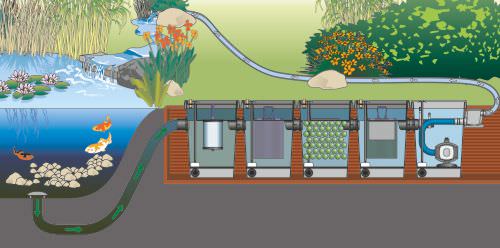
Description: An illustration of a gravity filtration system suitable for mini-ponds, highlighting its compact design. (Source: BigCommerce)
Local Laws and Safety Considerations for Your Pond Project
Before starting your mini-pond project, it’s crucial to understand the local zoning laws, permits, and safety measures that apply to your area. Most jurisdictions require permits for constructing natural swimming ponds, similar to those needed for traditional pools.
You will likely need approvals for construction and any electrical work related to your pond, and some regions may require environmental permits if the pond affects local watersheds.
Additionally, fencing around the pond area is often mandated to ensure safety for children. Make sure to check specific regulations in your locality for compliance and to keep your property safe.
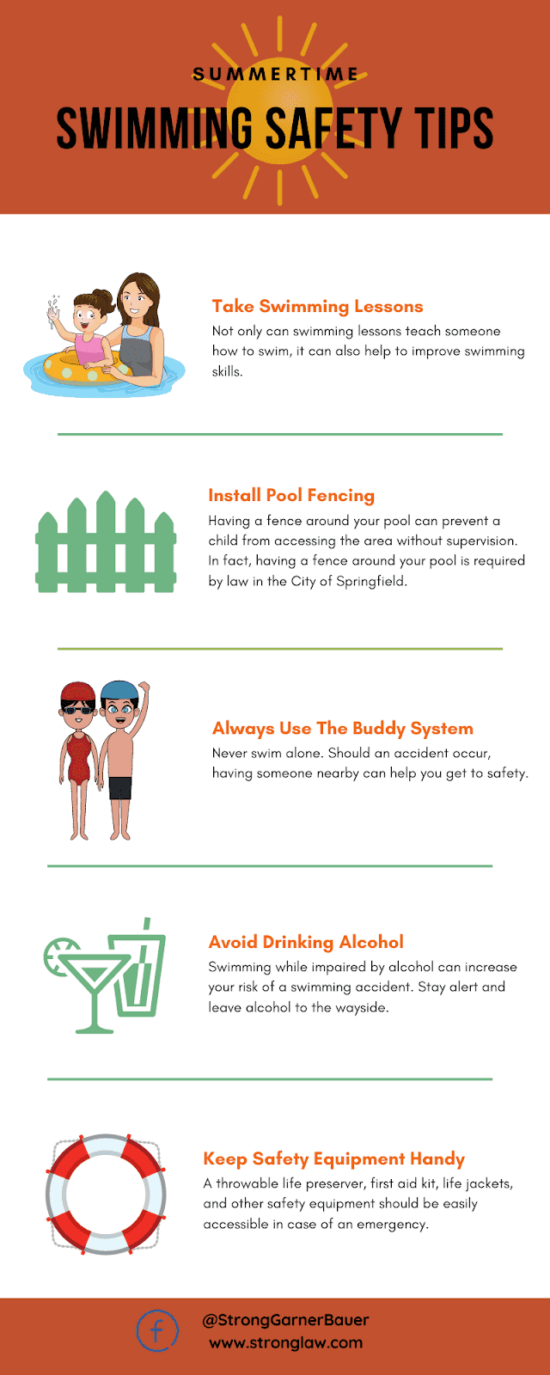
Description: An informative infographic outlining safety regulations for ponds, essential for compliance and safety awareness. (Source: Strong Law)
The Financial Upsides of Mini-Ponds Compared to Traditional Pools
When considering the financial implications of installing a mini-pond versus a traditional pool, it’s important to evaluate both initial costs and ongoing maintenance. On average, mini-ponds can cost between $60,000 and $80,000 for professional installation. In contrast, traditional inground pools can start at a lower price point, often around $35,000.
Despite the higher initial costs associated with mini-ponds, they tend to require significantly less maintenance and no chemical treatments, leading to substantial long-term savings. Research indicates that natural swimming ponds can conserve between 50% and 80% of water compared to conventional pools, thanks to efficient filtration systems and lower evaporation rates.
By carefully weighing the overall cost structure—including installation, maintenance, and water conservation—you can make a more informed decision.

Description: A chart comparing costs associated with mini-ponds and traditional pools, illustrating financial benefits. (Source: HomeGuide)
Year-Round Maintenance Tips for Your Mini-Pond
Maintaining your mini-pond involves specific tasks tailored to each season. In spring, take the opportunity to clean your pond by removing debris, dead plants, and excess algae that may have accumulated over winter. Inspect and restart your pumps and filters, monitor water quality, and gradually reintroduce any plants that were removed.
During the summer, focus on controlling algae growth, managing water levels, and ensuring beneficial plants remain healthy. Trim any excess foliage to promote airflow and prevent overcrowding. In the fall, remove leaves and prepare the pond for winter by winterizing sensitive components.
Lastly, during winter, monitor ice thickness and maintain a patch free of ice to allow for adequate gas exchange. By diligently following a seasonal maintenance routine, you can keep your mini-pond healthy and enjoyable year-round.
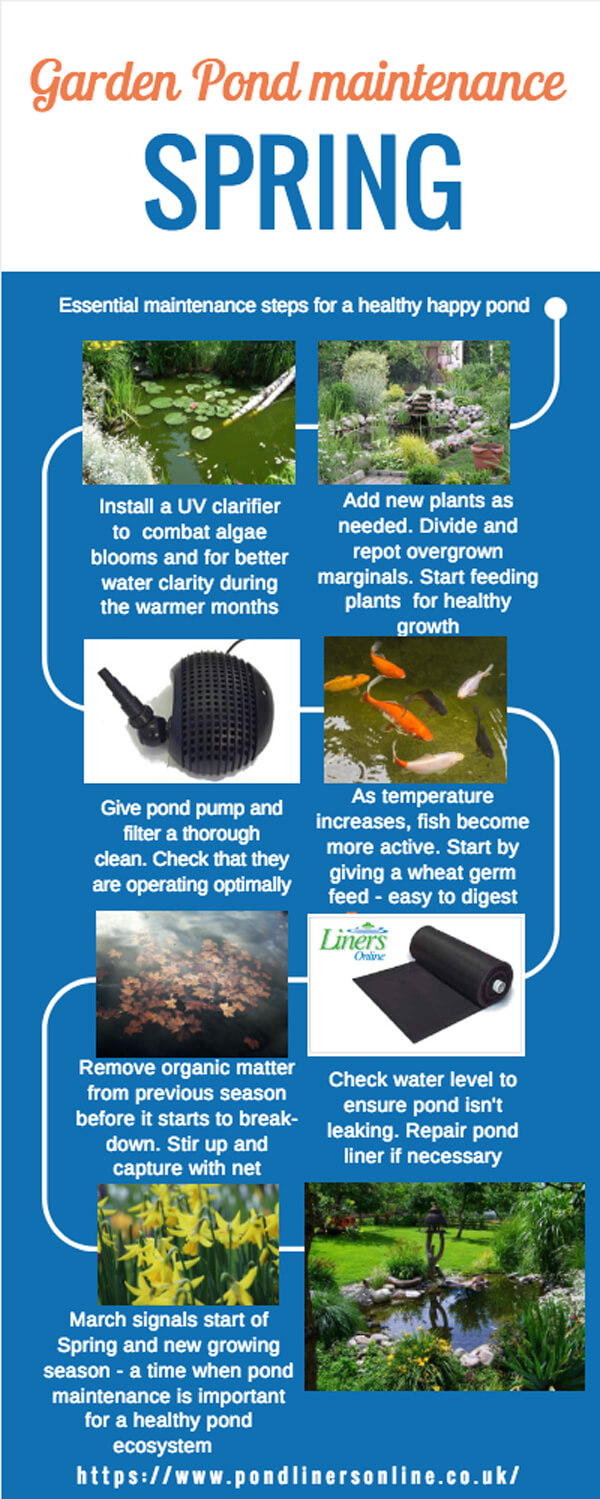
Description: An infographic detailing seasonal maintenance tasks for ponds, guiding owners through year-round care. (Source: Pond Liners Online)
Conclusion
Creating a mini-pond in your urban backyard provides a rewarding way to turn limited space into a tranquil swimming zone. With careful planning, thoughtful design, and specific maintenance practices, you can enjoy the beauty of a water feature right outside your door.
By addressing local zoning laws and choosing the right materials and plants, you’ll not only create an appealing focal point but also positively impact your environment by promoting biodiversity and enhancing water conservation.
As you embark on this journey, remember that every detail—from the filtration system to safety measures—plays a crucial role in your pond’s success. Dive into the world of mini-ponds, and enjoy your own accessible escape right in the heart of the city!