Owning a pond is a rewarding experience that connects you with nature, but it also involves the responsibility of maintaining water quality. One of the most important aspects of achieving crystal-clear water is effective aeration. This guide will provide you with practical aeration strategies, addressing how to prevent algae blooms, optimize oxygen levels, and utilize both natural and innovative methods for enhancing pond health. By understanding the dynamics of dissolved oxygen, you can make informed decisions that will benefit the entire pond ecosystem.
As a pond owner or aquatic landscaper, you may often encounter issues related to algae control and water clarity. You might wonder about the ideal placement for aeration devices like bubble stones or whether adding a waterfall can aid in oxygenation. With effective aeration practices, you can improve the visual appeal of your pond while fostering a healthy environment for fish and other aquatic creatures. Let’s delve into various strategies for pond aeration and the benefits they provide.
Understanding the Importance of Dissolved Oxygen
Dissolved oxygen is crucial for a healthy pond. It supports the survival of fish, invertebrates, and beneficial bacteria, all of which depend on adequate oxygen levels. Cold-water species like trout thrive at higher oxygen concentrations (over 6 mg/L), while warm-water species like bass need slightly less (around 5 mg/L).
Sufficient dissolved oxygen not only sustains aquatic life but also enhances aerobic decomposition. By promoting this process, it prevents foul odors associated with anaerobic decay and facilitates nutrient cycling. Higher oxygen concentrations contribute to clearer water by reducing organic sludge buildup and supporting beneficial microbial activity. Therefore, maintaining oxygen levels above 6 mg/L is essential for preventing algae blooms and ensuring the overall balance of your pond ecosystem.
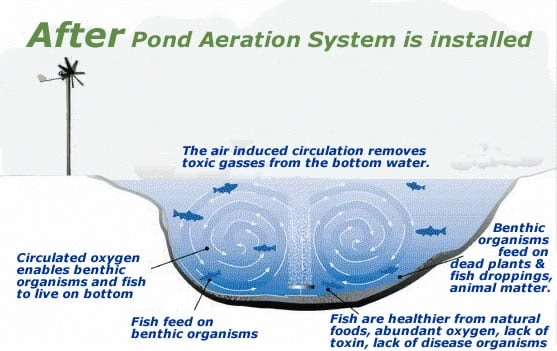
This diagram illustrates how aeration enhances dissolved oxygen levels, promoting clearer water and healthier aquatic ecosystems. (Source: Pond Perfection)
Natural Strategies to Combat Algae
Managing algae growth is a common challenge for pond owners, but several effective natural strategies can help without resorting to harsh chemicals. Incorporating aquatic plants like Hornwort and Water Hyacinth can significantly reduce nutrient levels that encourage algae blooms. Hornwort is known for being a powerful oxygenator and can thrive in varying depths, while Water Hyacinth offers coverage that inhibits light penetration, thus minimizing algae’s potential to grow.
In addition to using aquatic plants, introducing beneficial bacteria into your pond ecosystem can also help. Products like MuckAway contain natural bacteria that break down organic matter, which can reduce nutrient overload and improve overall water clarity. By focusing on these natural methods, you not only promote a healthier aquatic environment but also achieve long-lasting visual improvements for your pond.

A visually appealing image of Water Hyacinth, highlighting its use as a natural method for nutrient absorption in ponds. (Source: Play It Koi)
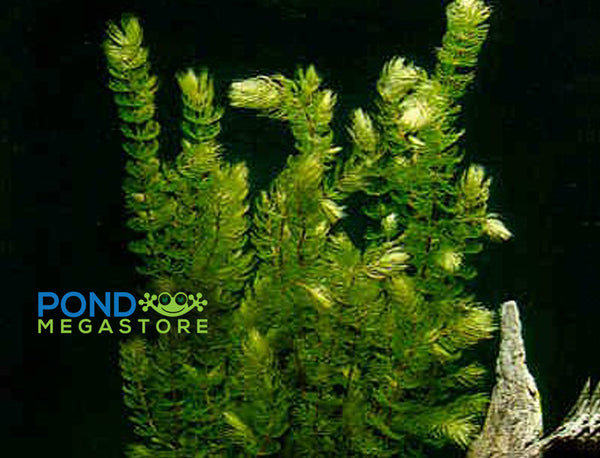
This image shows Hornwort, another key aquatic plant known for its oxygenation and nutrient uptake benefits. (Source: Pond Megastore)
Optimal Placement and Techniques for Aeration
Effectively placing aeration devices in your pond is key to optimizing their function. Bubble stones and aerators should be strategically positioned to ensure even distribution of oxygen. For example, placing bubble stones at depths of 2-3 feet can create optimal conditions for oxygen diffusion, especially in deeper ponds.
During warmer months, surface aerators become essential, as they provide necessary oxygen refuges for fish dealing with temperature stresses. Conversely, if you have a stratified pond, employing bottom-plate aerators can help homogenize the water column and maintain consistent oxygen levels. Be sure to adjust your aeration strategies with the seasons—doing so can significantly affect the health of your pond ecosystem.
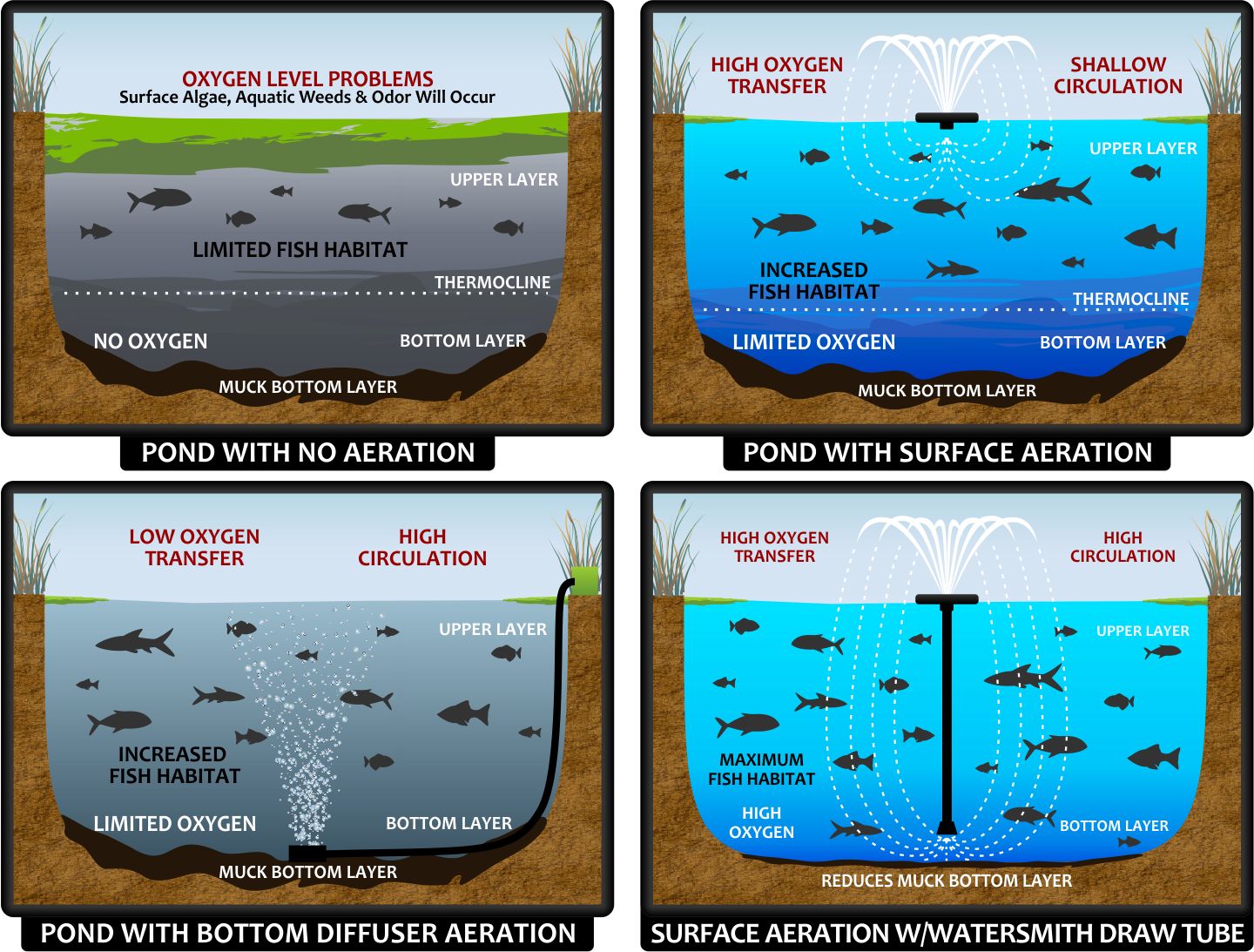
An informative infographic detailing the best practices for aerator placements in ponds of varying depths to optimize aeration. (Source: FW Farms)
Harnessing Waterfall Features for Natural Aeration
Incorporating waterfall features into your pond design not only enhances aesthetics but also improves oxygen levels. Waterfalls can significantly promote aeration by agitating the water surface and facilitating gas exchange. To maximize this effect, ensure that your waterfalls are located in spots with plenty of water circulation.
It’s critical to conduct regular maintenance on these features; debris can build up and hinder flow, reducing their effectiveness in oxygenating the water. By keeping your waterfalls in good working condition, you not only boost water clarity but also create a vibrant habitat for fish and other aquatic species.

This image showcases a beautifully designed pond waterfall, emphasizing its role in enhancing aeration and improving water quality. (Source: Nualgi Ponds)
Seasonal Aeration Strategies for Year-Round Clarity
Adjusting your aeration practices based on seasonal changes ensures that you maintain optimal water clarity throughout the year. In spring, for instance, the spring turnover mixes the water, making it a suitable time to carefully re-initiate aeration. Experts recommend starting the aeration system with shorter intervals at first and gradually increasing the runtime.
Summer presents unique challenges as warmer temperatures decrease oxygen solubility; therefore, it can be beneficial to use medium timer functions at night. As the temperatures drop in fall and winter, it’s important to adjust your systems accordingly. Keep a close eye on ice coverage to preserve areas of oxygen-rich water for your fish.
A seasonal chart outlining the key practices and adjustments needed for aeration throughout the year to maintain clear water. (Source: MDPI)
Latest Innovations in Energy-Efficient Aeration Systems
The realm of pond aeration technology has introduced various energy-efficient systems designed with the eco-conscious pond owner in mind. For example, devices like the TurboAir II Solar Pond Aerator use solar power rather than relying on grid electricity. This allows for consistent aeration regardless of weather conditions.
New compressor technologies have also made significant strides in reducing energy consumption while maintaining effectiveness. Additionally, some aeration systems now feature IoT capabilities, enabling users to monitor pond conditions and adjust their aeration accordingly. These advancements represent a more thoughtful approach to pond management that emphasizes sustainability and efficiency.
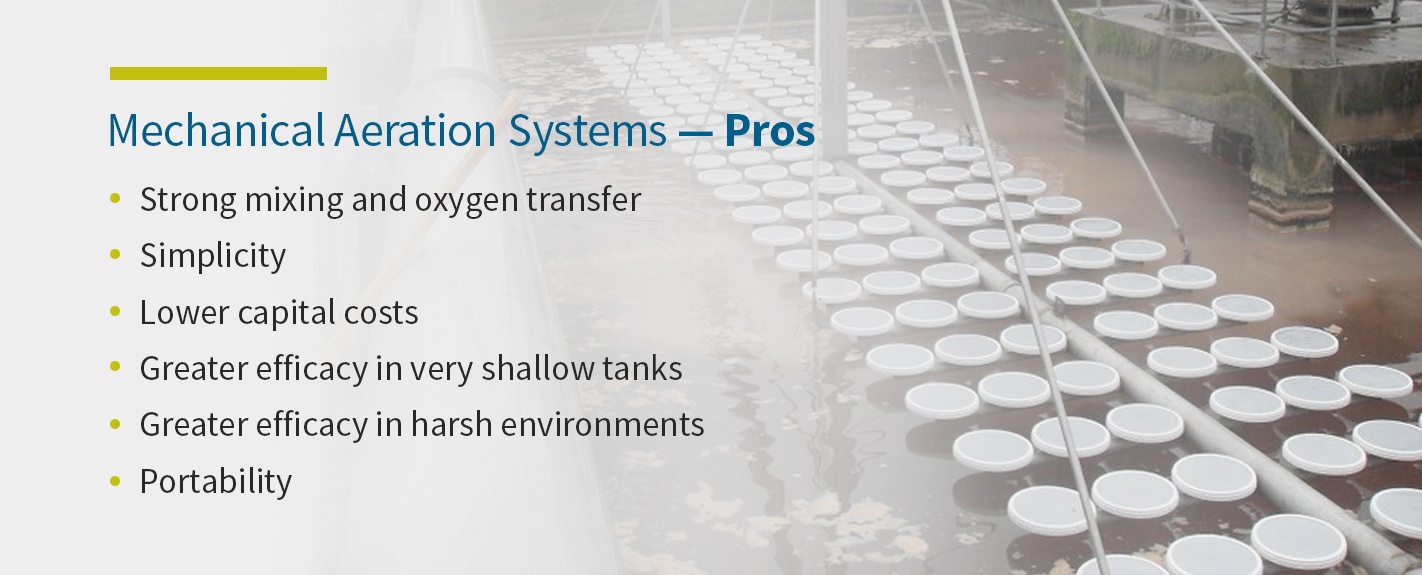
This image compares mechanical aeration systems for residential ponds, showcasing advancements in energy efficiency. (Source: SSI Aeration)
Navigating Regulations for Conscious Pond Management
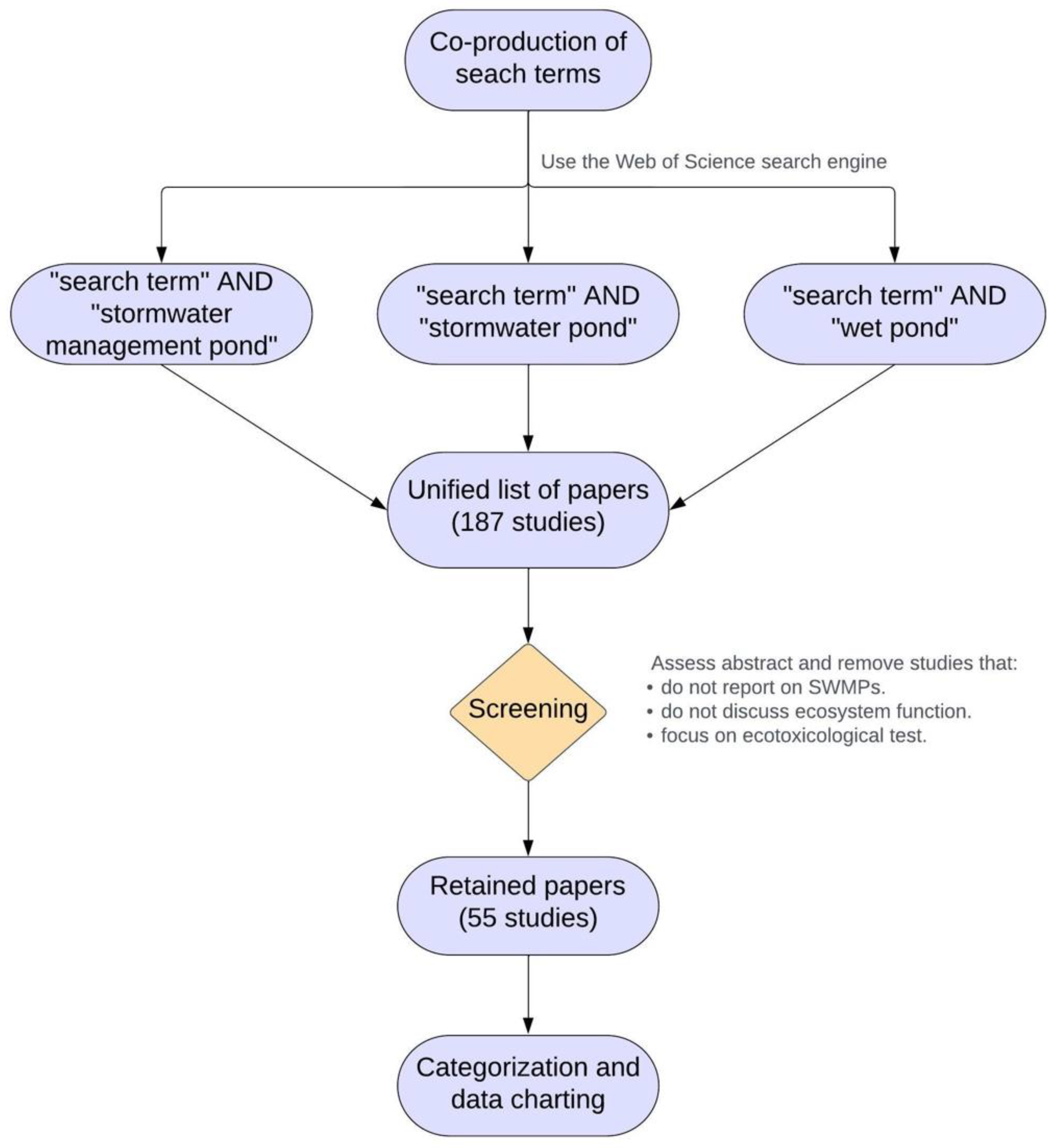
Being aware of regional regulations is important for responsible pond management. The regulations governing pond care can vary significantly from one area to another. Federal oversight is provided by the EPA, which manages stormwater discharge from retention ponds through the NPDES program.
Local compliance may require you to secure necessary permits prior to constructing or modifying your pond. Following specific design guidelines set forth by state authorities is equally crucial. By staying informed about these regulations, you can avoid potential fines and ensure that your pond management practices are compliant with the law.

A flowchart illustrating the steps involved in pond design and management, optimal for ensuring legal compliance. (Source: ResearchGate)
Conclusion
Pond aeration is a vital practice for ensuring your aquatic environment is healthy, clear, and vibrant. By utilizing techniques such as natural plant aeration, innovative technology, and strategic seasonal adjustments, you can create a sustainable ecosystem that thrives without chemical interventions.
Understanding and applying these strategies will not only enhance the beauty of your pond but also foster a habitat that supports a diverse range of aquatic life. As you navigate your journey toward optimal pond management, it’s essential to remain committed to informed practices. With diligence and care, your pond will thrive in clarity and health.