
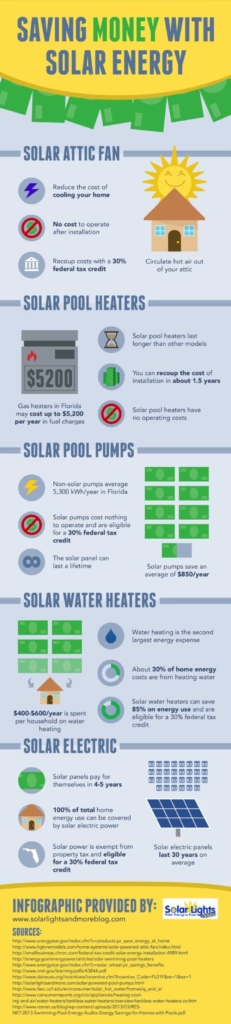
Switching to solar energy for your swim pond offers numerous benefits, from reducing energy costs to promoting sustainability. In this case study, we will explore practical examples, technologies, installation processes, and the economic implications of solar-powered swim ponds. My aim is to provide you with a well-rounded understanding of how solar energy can enhance your swimming experience while contributing positively to the environment.
Throughout this discussion, we will address common questions homeowners have about transitioning to solar energy: How can you save on energy costs? What are the benefits of solar energy? Can you install a solar system yourself? Are there successful examples of solar-powered ponds? And how do you choose the right solar panel system? By the end, you should feel more comfortable exploring the possibilities of powering your swim pond with solar energy.
Why Choose Solar Energy for Your Swim Pond?
Opting for solar energy to power your swim pond provides numerous advantages—not only is it environmentally friendly, but it’s also a practical choice for reducing energy costs. By using solar technology, you can significantly lower the expenses associated with pumps and filtration systems. Over five years, homeowners can save between $1,525 and $1,585 on electricity bills, as solar-powered setups can effectively eliminate traditional utility expenses altogether.
In addition to cost savings, solar systems help minimize your carbon footprint. Research from Renogy shows that solar-powered ponds significantly reduce greenhouse gas emissions, highlighting the effective use of renewable energy in residential settings. Furthermore, adopting solar energy can increase your property value, making your swim pond both an enjoyable space and a valuable asset.
Beyond the financial benefits, solar panels can enhance the aesthetic appeal of your landscape, adding a modern touch to your swim pond area. With these compelling advantages, making the switch to solar energy can significantly impact your enjoyment of your swimming space while aligning with sustainable practices.
This image illustrates various ways solar energy can save costs for homeowners (Source: Silicon Solar).
Real-World Success Stories: How Others Are Powering Their Swim Ponds with Solar
Looking at real-world examples can build your confidence in transitioning to solar energy for your swim pond. One notable installation took place at the Solvay Minerales facilities in Granada, Spain, where a 500-square-meter solar pond was developed. This system generated over 10,493 megajoules of heat, effectively replacing a gasoil-powered boiler. Notably, this system demonstrated efficiency even when encountering challenges, such as thermal gradient loss due to snowfall.
Another successful example is the natural swim pond created for the Wolford family in Gilbert, Arizona. While not explicitly solar-powered, this project showcases the feasibility of alternative swimming systems in sunny regions, underscoring the potential for sustainable solutions.
Moreover, the Barcelona Solar Thermal Ordinance has promoted greater adoption of solar energy in Spain, with a significant increase in installed solar thermal systems since its inception. These real-world successes offer clear evidence that solar-powered swim ponds can function effectively, providing you with a practical path to follow as you explore solar energy options.

This image shows the geographical map of the Granada solar pond project, highlighting its successful implementation (Source: MDPI).
How to Install a Solar Power System for Your Swim Pond: A DIY Guide or Professional Help?
If you’re considering installing a solar energy system for your swim pond, it’s essential to understand your options. You can either tackle the installation yourself or hire professionals, depending on your comfort level and expertise.
For a DIY installation, start by selecting a solar-powered pump that operates directly from solar panels without needing batteries. This will simplify the setup. Begin by deciding on a sunny location for your solar panels, connecting them to the pump and filtration system, and ensuring proper water flow through your swim pond.
If you prefer hiring experts, take some time to evaluate their experience and pricing. Choose professionals familiar with solar pond systems and seek guarantees for their work. This approach will help ensure a smooth installation process, whether you choose the DIY route or opt for professional assistance.
This diagram outlines the installation steps for a solar-driven water pumping system (Source: ResearchGate).
Choosing the Right Solar Panel System: Factors and Recommendations
Selecting the right solar panel system is crucial for the success of your solar-powered swim pond. Begin by assessing the energy needs of your pumps and filtration systems. Understanding the size of your pond and the power requirements of your equipment will guide your decision.
Also, consider your local climate when choosing solar panels. There are various types available, including monocrystalline, polycrystalline, and thin-film panels, each with different efficiencies and costs. For instance, monocrystalline panels tend to perform better in low-light conditions, making them particularly suitable for areas with limited sunlight.
Explore local solar initiatives, like California’s Solar Initiative (CSI) or Australia’s Small-Scale Renewable Energy Scheme (SRES). These programs can significantly offset initial costs, allowing you to choose an efficient solar panel system while maximizing your financial benefits. By aligning your system with your specific needs and environmental conditions, you’ll set the foundation for a successful solar energy implementation.

This graphic compares the efficiency of various types of solar panels (Source: Renogy).
Evaluating the Costs and Returns of Solar versus Electric Pond Systems
Understanding the costs associated with solar-powered swim ponds in contrast to traditional electric systems can help you assess the long-term benefits. Typically, the initial investment for solar systems is about 2 to 2.5 times higher than that for electric setups. However, homeowners can enjoy substantial savings on electricity costs, leading to a net gain in the long run.
For electric-powered ponds, the average annual electricity costs typically range between $305 and $317, translating to around $1,525 to $1,585 over a five-year period. Conversely, solar-powered ponds can reduce operational costs to virtually zero, provided the system is fully solar-powered.
Beyond financial implications, consider maintenance requirements. Solar systems require some upkeep, yet they generally demand less annual maintenance than traditional electric systems. On average, the annual maintenance cost for solar-powered ponds is around $800, which is often outweighed by savings and environmental benefits, making a solid case for investing in solar systems.
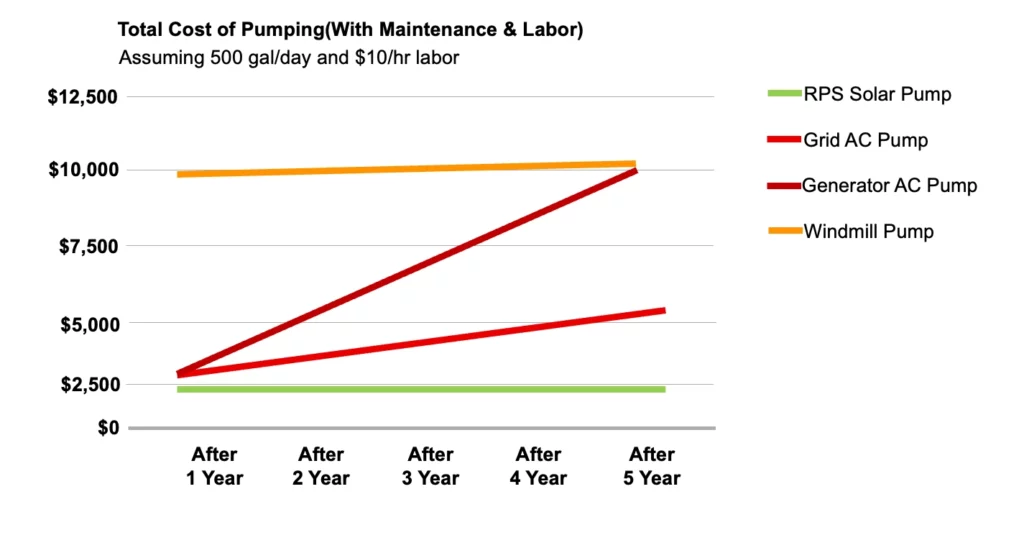
This chart summarizes the cost-benefit analysis of solar energy versus traditional electric systems over time (Source: RPS Solar Pumps).
Environmental Benefits of Solar Swim Ponds: Myths vs. Reality
As you transition to solar energy, it’s important to address potential misconceptions regarding environmental impacts. While solar-powered installations can greatly reduce carbon footprints, there may be trade-offs to consider.
For example, some studies have shown that certain floating solar panels can lead to increased greenhouse gas emissions in specific scenarios. However, the overall benefits of reducing reliance on fossil fuels usually outweigh these negatives. Being aware of how solar energy systems may impact local ecosystems and biodiversity is vital as you pursue sustainable practices.
Furthermore, regulatory frameworks in regions like California and Australia encourage eco-friendly initiatives through various incentives. These policies support the pursuit of solar energy as a viable option that complements biodiversity preservation and responsible resource management.
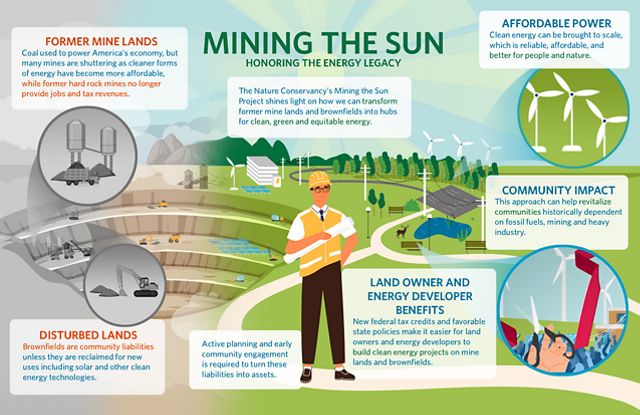
This infographic highlights the ecological benefits and challenges associated with solar energy installations (Source: Nature Conservancy).
Leveraging Regulatory Incentives to Maximize Your Investment
Navigating the financial support available for solar energy installations might seem complicated, but various incentives exist to encourage homeowner adoption. The California Solar Initiative (CSI) offers significant rebates, covering up to 50% of installation costs for solar water heating systems designed for swim ponds. Even though this program closed in 2016, its impact continues to facilitate solar technology installations today.
In Australia, the Small-Scale Renewable Energy Scheme (SRES) provides financial incentives for small-scale solar power systems, simplifying the investment process for solar technology in swim ponds. Additionally, different state-specific programs offer rebates and subsidies to further reduce upfront costs.
By understanding and leveraging these initiatives, you can maximize the benefits of switching to solar power, ultimately making your investment more viable and rewarding.
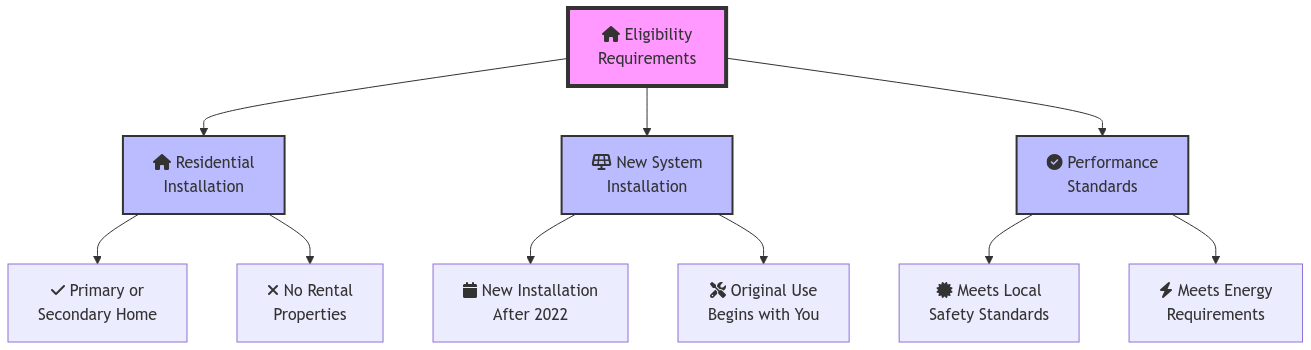
This flowchart outlines how homeowners can access and apply for solar tax credits and rebates (Source: Xoatax).
Conclusion
In conclusion, using solar energy to power your swim pond provides a range of benefits, including cost savings, environmental sustainability, and enhanced property value. By exploring real-world success stories and understanding the technologies available, you are better equipped to make informed decisions about transitioning to solar energy.
Though the installation process may seem daunting, with proper planning and guidance, along with potential financial support through regulatory incentives, it can be a rewarding endeavor. Whether you choose to handle the installation yourself or work with professionals, embracing solar energy is an important step towards a more sustainable future for your swim pond, allowing you to enjoy its benefits for years to come.
The information presented here aims to inspire you to consider the switch to solar energy and take concrete action toward implementing an efficient and eco-friendly system for your swim pond. By making thoughtful choices, you can contribute to a healthier environment while enjoying the beauty and advantages of your swimming area.