
Natural swimming pools are increasingly recognized as a sustainable alternative to traditional swimming pools. These pools utilize natural processes to keep water clean, thereby eliminating the need for harsh chemicals. Typically, a natural swimming pool consists of two distinct zones: a swimming area and a regeneration area. This design allows for a seamless integration into the surrounding landscape, offering both aesthetic and ecological benefits.
The rising interest in environmentally friendly solutions enhances the appeal of natural swimming pools, as they invite individuals to connect with nature while embracing a low-impact lifestyle. Additionally, these pools create a unique habitat for various species, promoting biodiversity and ecological sustainability.
This comprehensive guide explores the essential principles of designing and implementing natural swimming pools. It covers foundational design components, the crucial role of plants in ecological maintenance, key considerations for site selection, and best practices for construction and care. By adhering to these guidelines, it is possible to create a natural swimming pool that serves as a functional and beautiful addition to any property.
Basic Design Principles of Natural Swimming Pools
Natural swimming pools rely on several fundamental design principles to ensure both functionality and aesthetic appeal.
-
Separation of Zones: A key feature of natural swimming pools is the division into two zones: the swimming zone and the regeneration zone. These areas are physically separated, often by a submerged or hidden wall, which facilitates effective water purification. This separation allows for the regeneration zone to serve as a natural filter, purifying water before it enters the swimming area.
-
Equal Zone Sizes: For optimal purification and ecological balance, the swimming and regeneration zones should be approximately equal in size. This equality ensures that there is sufficient aquatic plant life to absorb nutrients and prevent algae buildup that can occur in stagnant water.
-
Aesthetic Considerations: The design should integrate the pool seamlessly with the surrounding environment. Utilizing natural materials and avoiding stark, hard surfaces, such as concrete, enhances both the pool’s functionality and its visual appeal. This holistic approach promotes a harmonious connection between the pool and its natural surroundings.
Research indicates that natural swimming pools should have a minimum size of 30 square meters (approximately 322 square feet) to effectively create an environment that supports water purification [1]. Additionally, the swimming zones should reach a depth of at least 2 meters (approximately 6 feet 6 inches) to accommodate adequate swimming activities [2][5].
Image: Schematic illustration showing the layout of swimming and regeneration zones in a natural swimming pool. Source: Ecohome
The Role of Plants in Water Purification
Aquatic plants serve a vital role in maintaining the water quality of natural swimming pools by providing biological filtration and nutrient absorption.
-
Biological Filtration: The biological filtration system in natural swimming pools utilizes microorganisms that thrive in the regeneration zone. These microorganisms break down organic matter into inorganic forms, which effectively filters pollutants and reduces phosphorus levels, thereby preventing excessive algae growth.
-
Plant Diversity: Various types of aquatic plants—including floating, submerged, emergent, and marginal species—work cooperatively to purify the water. Their combined efforts create a balanced ecosystem capable of thriving without chemical interventions. The diversity in plant life not only enhances aesthetic appeal but also contributes to the overall health of the aquatic environment.
-
Chemical-Free Processes: By imitating natural ecological processes, natural swimming pools can maintain clean and clear water without resorting to chemical treatments. This approach yields significant environmental benefits and lowers maintenance costs.
Research suggests that approximately 50% of the regeneration zone should be covered by plants to optimize water purification [1][4]. Furthermore, the effectiveness of microbial colonization is critical for enhancing the pool’s purifying capabilities [2].

Image: Various aquatic plants essential for water purification in natural swimming pools. Source: BioNova Natural Pools
Site Selection Considerations
Selecting the appropriate site for a natural swimming pool is crucial for ensuring its success and sustainability. Several factors must be assessed to maximize ecological benefits.
-
Geographical Factors: Adequate sunlight exposure is essential for stimulating plant growth and regulating water temperature. Therefore, sites should avoid overly shaded locations or areas in close proximity to potential contamination sources, such as septic systems or wells. It is advisable to position the pool away from lower elevations to mitigate surface water runoff.
-
Environmental Impacts: Considerations of environmental impacts during site selection are paramount. Sites with an abundance of deciduous trees should be avoided, as excessive leaf fall can introduce unwanted nutrients into the pool’s ecosystem. Sufficient space for surrounding vegetation is essential to promote a variety of species and ecological balance.
-
Construction Feasibility: The chosen site should support straightforward construction processes, utilizing readily available resources for excavation and lining. Evaluating soil type and the accessibility of materials can greatly influence the feasibility of the overall project.
Natural swimming pools should be located at least 10 feet away from potential sources of contamination. Furthermore, ensuring adequate sunlight exposure while allowing for shade to temper excessive heat is critical for creating the ideal environment [1][3].
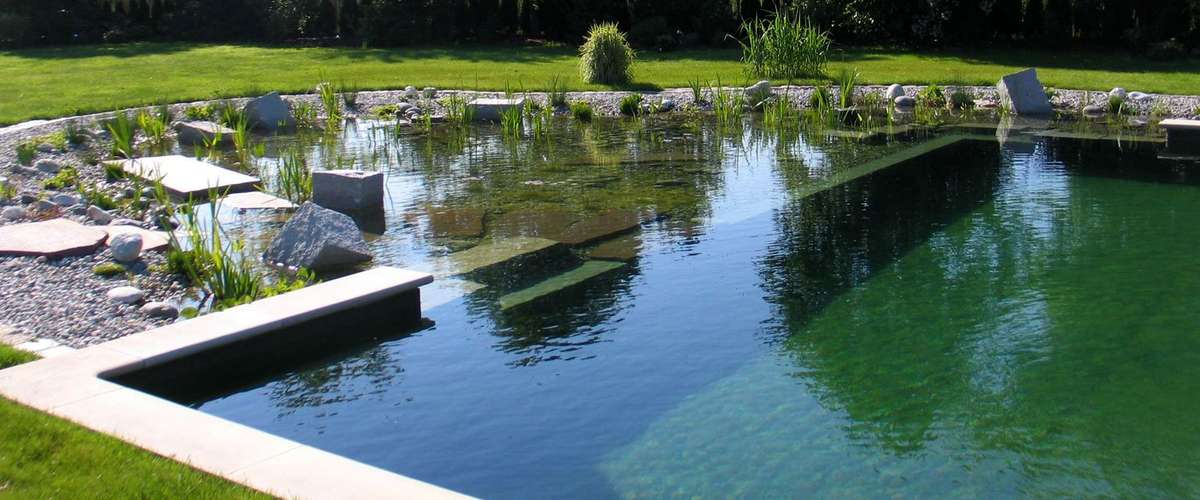
Image: Diagram illustrating the ideal site selection for a natural swimming pool with attention to sunlight and space. Source: Ecohome
Construction and Maintenance: Best Practices
Constructing and maintaining natural swimming pools entails specific practices to ensure long-term sustainability, safety, and water quality.
-
Construction Overview: The construction process begins with thorough excavation followed by the installation of linings to effectively hold the water. The design must accommodate both the swimming and regeneration zones, ensuring proper levels and barriers that facilitate optimal flow between each area.
-
Essential Maintenance: Regular maintenance routines are essential for maintaining water quality. This may include monitoring water chemistry, assessing plant health, and ensuring the proper functioning of the biological filtration system. Seasonal checks are necessary to remove accumulated debris and evaluate the overall condition of the pool.
-
Common Challenges: Common issues may arise, such as excessive algae growth, primarily due to nutrient imbalances. To mitigate these problems, it is critical to ensure adequate plant coverage and actively manage nutrient levels within the pool’s ecosystem. Fostering an understanding of the ecosystem’s dynamics is essential for maintaining a healthy balance and minimizing interventions.
By adhering to established construction and maintenance guidelines, natural swimming pools can thrive as sustainable and enjoyable features [2][5].

Image: Illustration of the construction process for a natural swimming pool. Source: Jacksonville.com
Conclusion: The Future of Natural Swimming Pools
Natural swimming pools offer a unique and sustainable approach to personal water features. By following sound design and implementation principles, these pools can provide an aesthetically pleasing and functional space while fostering ecological balance.
To summarize the key points, natural swimming pools depend on the separation of swimming and regeneration zones, a diverse array of aquatic plants, and careful site selection. Collectively, these elements ensure that the pools remain effective and visually appealing.
In a society increasingly focused on sustainability, the adoption of natural swimming pools presents not only an environmentally friendly option but also a beautiful enhancement to gardens and landscapes. With thoughtful planning and diligent maintenance, these pools can enrich outdoor spaces while promoting a greater appreciation for nature.
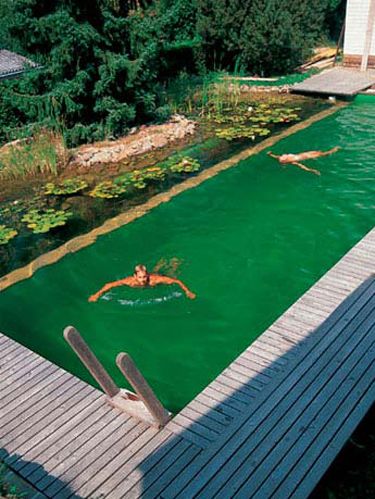
Image: A completed natural swimming pool surrounded by lush greenery, showcasing its aesthetic appeal. Source: Hearst
This guide offers a thorough exploration of the design and implementation principles necessary for creating natural swimming pools. It seeks to inform and inspire those interested in incorporating sustainable water features into their outdoor spaces, ensuring that both beauty and environmental integrity coexist harmoniously.
Word Count: 1516 words